image

vplant_blog

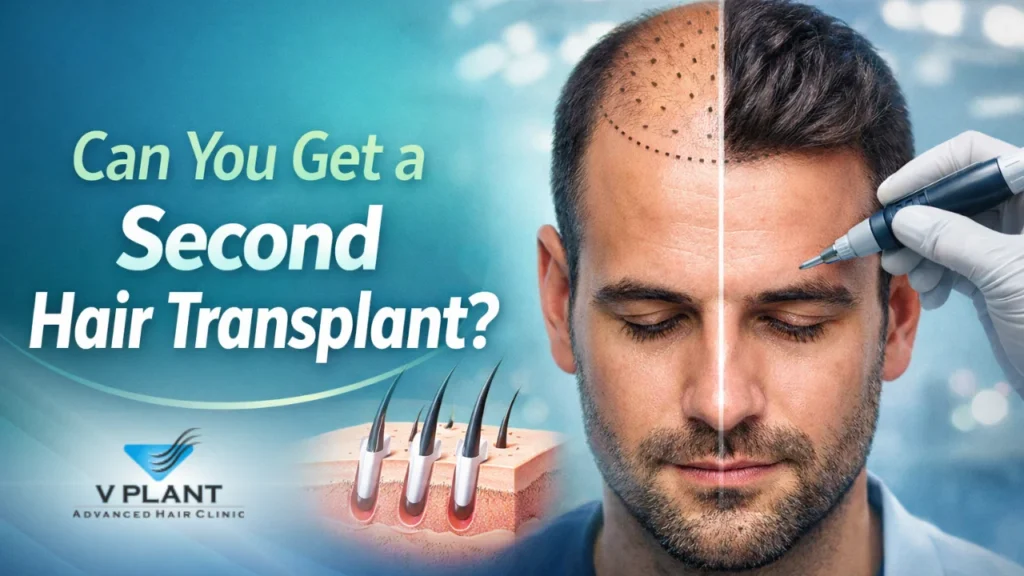
Can You Get a Second Hair Transplant?

Can You Get a Second Hair Transplant?

A lot of people ask this question after their first hair transplant, especially if they are still losing hair or want thicker hair. A second hair transplant is often possible and can help cover more hair, shape the hairline, or treat areas that are thinning that show up later. This is especially useful for men and women who are losing hair all the time, getting uneven results, or have bald spots that are easy to see. It’s important to know when a second procedure is needed, how long to wait, and if your donor area has enough healthy hair follicles before you make a decision. With the right planning, a second procedure can help restore hair in the long term, encourage new hair growth, and boost your confidence. It’s also a good idea to look into hair loss treatments that protect transplanted hair and slow down future thinning. If you know what your options are, you can have realistic expectations for your hair transplant and get hair that looks natural. Thousands of people have gotten their confidence back and gotten their hair back to looking natural thanks to hair transplant procedures. But what if your hair keeps getting thinner after your first treatment? Or do you want more density? This makes people ask a lot: Can you get a second hair transplant? Yes, you can get a second hair transplant. In fact, a lot of people choose to have a second procedure to get better results, more density, or to fix a type of hair loss that isn’t going away, like androgenetic alopecia. But for the procedure to be successful, timing, planning, and picking skilled transplant surgeons are very important. We’ll explain everything in simple terms in this guide, including when a second transplant is needed, who is eligible, what to expect, and how to get the best results. Why Would Someone Need a Second Hair Transplant? A hair transplant is a long-term fix for hair loss, but one procedure doesn’t always mean that it will last for the rest of your life. There are a number of reasons why someone might think about getting a second hair transplant. 1. Hair Loss Continued After the First Procedure Hair transplant surgeries take healthy hair follicles from the donor site, which is usually the back of the scalp, and put them in areas that are thinning or bald, which are called the recipient area. But your natural hair may still get thinner over time, especially if you have androgenetic alopecia. This means: A second transplant helps restore balance, increase density, and encourage new hair growth. 2. Wanting More Thickness Some people like to take their time when restoring their hair. To get safer, more natural results, hair transplant surgeon teams may suggest two sessions instead of putting too many hair grafts in one session. Reasons for Staged Procedures: A second transplant can make your hair fuller, help it grow back, and make your hair transplant experience better. 3. Covering a Large Bald Area If you have a lot of hair loss or big bald spots, one session might not be enough. A second transplant helps: This is very common and perfectly normal, especially for people who lose hair slowly over time. 4. Results From the First Transplant Were Not Good Patients may not always be happy with: A second transplant can fix the results of a previous hair transplant and raise your hopes for the next one. When Is It Okay to Get a Second Hair Transplant? Timing is very important. Most transplant surgeons say you should wait at least 8 to 12 months before having a second surgery. Why? Because: When Hair Transplants Start to Grow Your hair transplant surgeon can only properly assess the need for a second transplant after this time. Who Should Get a Second Hair Transplant? Not everyone needs to have the procedure done again. A qualified hair transplant surgeon will look at: Important Things to Think About: A second transplant is usually possible if the donor area has enough healthy hair follicles. Signs That You Might Need a Second Hair Transplant If you notice any of the following, a second procedure might help: These signs mean that more hair restoration may help you get better results. Is It Safe to Get a Second Hair Transplant? Yes, a second hair transplant is usually safe if it is done by a skilled transplant surgeon. But careful planning is very important for: People who want safe and well-planned procedures often think about talking to experts like Dr. Amit Agarkar, who is known for making personalized plans for hair restoration and getting natural-looking results at VPlant Hair Clinic. How Do You Get a Second Hair Transplant? The process is like the first transplant. The surgeon who does the hair transplant will: More Advanced Methods for Hair Transplants Include: The goal is always to have natural density and long-term success. Is the Donor Area Big Enough? This is one of the biggest worries. The Good News Is: This is why it is so important to talk to a professional. Clinics like VPlant Hair Clinic focus on evaluating the donor area and making long-term plans to make sure that hair loss is not permanent. After a Second Hair Transplant, What to Expect After a second transplant, the recovery process is usually the same as the first. Timeline for Recovery Most people go back to work in 3 to 5 days. Advice for Getting Better Results from Your Second Transplant To get the best results: Follow These Steps Aftercare that is done well helps hair grow back and grafts live longer. Is It Possible to Avoid a Second Hair Transplant? Yes, sometimes. Doctors might suggest: These treatments help keep hair thick and slow down hair loss. They are a way to stop hair loss. But if hair loss keeps happening, a second transplant might still be the best thing to do. Common Misconceptions About Second Hair Transplants Myth 1: You Can Only

Can You Get a Second Hair Transplant? Read More »
Recent Hair Transplant Technology

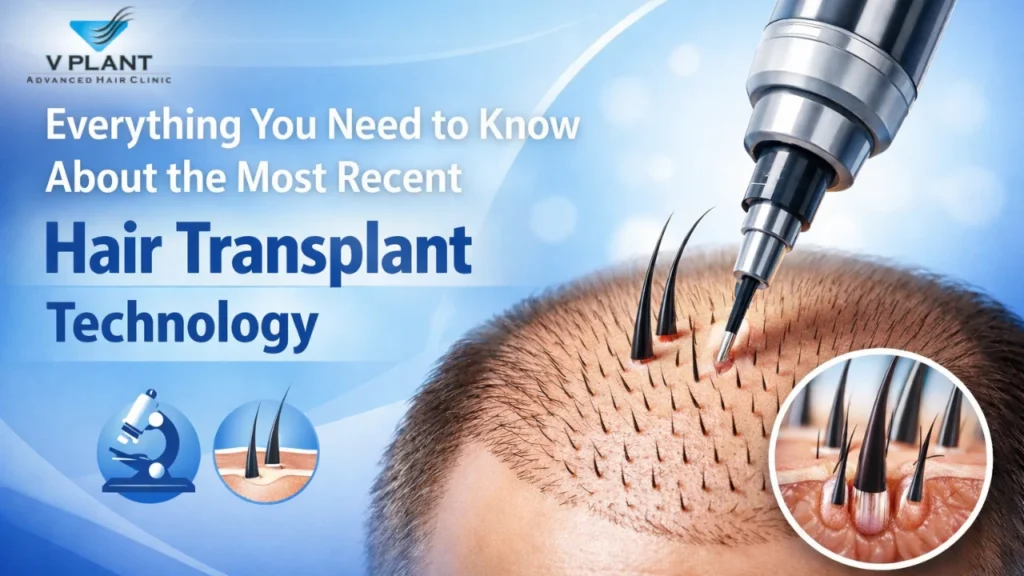
Everything You Need to Know About the Most Recent Hair Transplant Technology

All You Need to Know About the Latest Hair Transplant Technology helps people learn how new hair restoration methods can safely bring back natural hair growth. If your hair is thinning, your hairline is receding, or you can see bald spots, learning about the latest hair transplant methods can make the idea of getting treatment a lot less scary. Follicular unit extraction (FUE), modern FUE hair transplants, and direct implantation techniques are all new technologies that let skilled hair transplant surgeons move healthy hair follicles from the donor area to thinning areas with great accuracy. The end result is a natural-looking density, less scarring, and a faster recovery than with older hair transplant methods. This subject is very helpful for men and women who want to stop their hair loss for good and want clear, trustworthy information before picking a hair loss treatment. Understanding modern hair transplant technology helps you know what to expect from the hair transplant procedure, improves hair transplant expectations, and explains how advanced techniques can restore both hair and confidence in a natural way. Why does hair loss happen? Before you learn about the newest hair transplant technology, it’s helpful to know why people lose hair in the first place. Men and women can both lose hair, and there are many reasons why this might happen. 1. Genetic Hair Loss (Androgenetic Alopecia) This is the type of hair loss that happens the most. Androgenetic alopecia is the medical name for this condition. It usually shows up as a receding hairline, a thinning crown, or bald spots that are easy to see. As time goes on, genetics and hormones make the hair follicle smaller, which makes the hair strands weaker and makes the hair thinner over time. 2. Changes in hormones Changes in hormones during pregnancy, menopause, or thyroid problems can mess up the hair growth cycle and cause hair to fall out. 3. Stress and Things You Do in Your Life Stress, bad eating habits, not getting enough sleep, and other bad habits can make hair follicles weaker and cause more hair to fall out. 4. Health problems or medications Some illnesses or medications can stop hair from growing normally and make it thinner for a short time or a long time. Many treatments can help slow down hair loss, but people who have visible bald spots or thinning hair often want a permanent solution. This is where modern hair transplant surgeries can help. What is a hair transplant? A hair transplant is a medical way to restore hair by moving healthy hair follicles from one part of the scalp to another where hair is thinning or missing. The donor area or donor site is the part of the body where follicles are taken. This area is usually on the back or sides of the head because the hair there is genetically stronger and less likely to fall out. The surgeon carefully takes out individual hair grafts that have one or more hair follicles during the procedure. After that, the grafts are put in the area where new hair growth is needed. The hair that was transplanted grows naturally over time and blends in with the hair around it. The results look natural and keep growing for a long time because the follicles come from your own scalp. How Hair Transplant Technology Has Changed Over Time In the last twenty years, hair transplant technology has changed a lot. In the past, hair transplant surgeries sometimes didn’t look natural or took longer to heal. Modern hair transplant techniques today focus on: Patients now find the hair transplant process much more comfortable and predictable thanks to these changes. The newest methods for hair transplants There are now many different types of advanced hair transplant procedures. Each method works a little differently, but they all try to make hair grow back naturally. 1. Extraction of Follicular Units (FUE) Follicular unit extraction (FUE) is one of the most popular modern methods. This is how many FUE hair transplants are done: Advantages of FUE Because each hair graft is put in one at a time, experienced hair transplant surgeons have more control over the direction and angle of the hair that has been moved. 2. Follicular Unit Transplantation (FUT) Follicular unit transplantation (FUT) is another well-known method. In this method: Advantages of FUT FUT is still a good choice for hair transplants, even though it can leave a thin linear scar. 3. Advanced Direct Implantation Methods Modern technology has also brought about new techniques like Direct Hair Implantation (DHI) and Modified Hair Implantation (MHI). These methods are some of the newest ways to restore hair. They include: The accuracy of the DHI and MHI methods helps make hairlines that look very natural and makes hair thicker overall. What Makes Hair Transplants Today Look Real? A lot of people are worried that hair transplant surgeries won’t look natural. Luckily, modern technology has fixed a lot of the problems that came up with older procedures. Design for a More Advanced Hairline Experienced transplant surgeons make the hairline based on the shape of the face, the person’s age, and the way their hair naturally grows. Exact Placement of Grafts The angle at which each hair graft is put in is just right to match how hair grows naturally. Preparation with a Microscope To protect each hair follicle and improve graft survival, hair follicles are prepared under a microscope. These changes make it easier for transplanted hair to blend in with hair that is already there. Signs That You Might Need Hair Restoration A lot of people wait too long to get help with hair loss. Some signs that are common are: If these symptoms don’t go away, you should see a professional hair transplant surgeon or clinic. They can help you figure out what kind of hair loss you have and recommend the best treatment. Who Should Get a Hair Transplant? People who want to get hair transplants may be good candidates if:

Everything You Need to Know About the Most Recent Hair Transplant Technology Read More »

Is your hairline moving? Early Signs of Balding

Is your hairline moving? Early Signs of Balding

Is your hairline changing? People often wonder if these are early signs of balding when they notice small changes in their hairline, like thinning at the temples, more hair on the pillow, or a wider part. At first, it’s easy to ignore these changes because they happen slowly. But knowing these early signs can help people tell when normal hair loss is actually becoming early hair loss. This subject is especially useful for people who are worried about their hairline getting thinner, their hair thinning for no reason, or the feeling that they might slowly lose hair. Finding these warning signs early can make a big difference because it gives people time to look into the best way to treat hair loss. Being aware of hair loss early on can help protect your hair, keep your hair follicles healthy, and make your scalp healthier. It also helps people figure out what kind of hair loss they might be having and how to best deal with it. In short, spotting these signs early gives both men and women the chance to take charge of their hair health and look into ways to help their hair grow back and care for it in the long run. How to Understand Changes in Your Hairline As people get older, their hairline naturally moves a little. It’s normal for things to change a little over time. But if the hairline starts to go back or the hair gets thinner, it could mean that hair loss is starting. For a lot of people, the first noticeable change happens around the temples or the front hairline. The hairline may change shape over time, forming a “M” shape or looking less dense. These changes can eventually cause bald spots to show up if the condition keeps getting worse. Changes to the hairline can happen to both men and women, but the pattern may be different. Androgenetic Alopecia, a hereditary condition that slowly weakens the hair follicle, is one of the most common causes. It’s important to notice these changes early because once hair follicles stop making hair, it can be hard to start new hair growth again without professional hair restoration treatments. Don’t Ignore These Early Signs of Balding Hair loss doesn’t happen all at once very often. Instead, it usually grows slowly and has a lot of clear signs. 1. Hairline that is going back One of the first signs of balding is a hairline that is getting thinner, especially near the temples. You might see: Your forehead looks bigger. The edges of your hairline start to move back Hairstyles that used to cover your forehead don’t look the same anymore. This slow change could be the start of a common type of hair loss that runs in families. 2. Hair Loss at the Crown Thinning at the crown, which is the top part of the head, is another early sign. You might see: A hair part that is getting wider More visible scalp A little patch of hair loss is forming at the back of the head. A lot of people only notice their crown is getting thinner when they see pictures of it or when someone else tells them.3. Too much hair loss It’s normal to lose 50 to 100 hairs every day. But if you see a lot of hair on your pillow, shower drain, or comb, it could mean that you are losing hair. Some common signs are: Hair falling out while washing Extra hair getting stuck in your brush Hair falling out even when you comb it gently Frequent hair loss can make hair less dense and may even cause bald spots. 4. Hair is getting thinner and weaker Before hair starts to look thinner, it often gets weaker and finer. You might see: The strands of hair feel thinner. Hair breaks more easily Your ponytail doesn’t feel as thick as it did before. This happens because hair follicles that are getting smaller start making weaker strands. 5. Hair growth is slower Slower hair growth is another early sign of hair loss. If you used to have hair that grew quickly, it may now take longer to grow back after a haircut. Some areas may also grow more slowly than others, which makes the density uneven. Reasons Why People Go Bald Early There are many reasons why hair loss can happen. In most cases, a number of things work together. Hair Loss Due to Genetics Androgenetic Alopecia, or genetic hair loss, is the most common cause. This condition usually causes: Hairline that is getting smaller Thinning of the crown Slowly losing hair density Your genes decide how sensitive your hair follicles are to hormones that slowly make them smaller. Changes in hormones Hormonal imbalances can also make hair fall out. This can happen because of getting older, having thyroid problems, being pregnant, or going through menopause. Changes in hormones can mess up the normal cycle of hair growth and make it fall out more. Stress and Lifestyle Factors Telogen Effluvium is a short-term condition that can happen when stress levels are high. Some common triggers are: Stress from emotions A serious illness Quick weight loss Not getting enough sleep Even though this condition may get better over time, long-term stress can make hair loss worse. Not eating enough healthy foods To stay strong, hair needs the right nutrients. Not getting enough protein, iron, zinc, vitamin D, or biotin can make hair weaker and slow down hair growth. Too much styling and damage from chemicals Using heat styling tools, chemicals, or tight hairstyles on your hair a lot can make the roots weaker and break them. Taking care of your hair gently can help stop more damage and hair loss. Why it’s important to get treatment early Timing is important when it comes to hair loss. Hair follicles go through a cycle of growing, resting, and shedding. Follicles may stop making hair altogether if hair loss goes on for a long time.

Is your hairline moving? Early Signs of Balding Read More »

How to Fix Damaged Hair Naturally

How to Fix Damaged Hair Naturally

If your hair is dry, brittle, frizzy, or weak because of heat styling, chemical treatments, pollution, or not taking care of it properly, “How to Repair Damaged Hair Naturally: A Complete Guide to Healthier, Stronger Hair” is a good topic to look into. A lot of men and women worry when their hair starts to lose its shine, break easily, or feel rough. Hair damage is common these days, but with the right care and routine, you can make your hair stronger and help it grow back. This guide shows you simple and effective ways to make your hair healthier using natural methods that feed the scalp and help hair follicles work properly. People who are looking for natural ways to fix damaged hair or home remedies usually want advice that really works. You can make your hair feel better, stop it from breaking, and help it grow back by focusing on hydration, gentle hair care routines, and oils that are full of nutrients. Not only do you want quick fixes, but you also want to keep your hair healthy for a long time. Sometimes damage to the hair can be linked to a more serious type of hair loss, like androgenetic alopecia, in which people slowly lose hair and get bald spots or thinning areas. In these situations, combining natural care with professional treatment for hair loss can work better than either one alone. Having healthy hair is often linked to feeling good about yourself and being healthy overall. But a lot of people have trouble with dry, brittle, frizzy, or damaged hair because of pollution, heat styling, chemical treatments, and stress. You’re not the only one whose hair feels rough, breaks easily, or doesn’t shine. Both men and women worry about damaging their hair. The good news is that damaged hair can often get better with the right care, natural treatments, and healthy habits. You can get your hair back to being soft, strong, and shiny with time and effort. In this guide, we’ll talk about what causes hair damage, how to spot the signs, and natural ways to fix it. We will also talk about professional ways to fix things when they get really bad. Learning About Hair Damage When the cuticle, which is the outer layer of hair that protects it, becomes weak or breaks, the hair is damaged. When this layer is damaged, hair loses moisture and important proteins, which makes it look dull, rough, and lifeless. Healthy hair has cuticles that are smooth and tightly packed. These cuticles protect the hair’s inner structure and keep it moist. But if you keep exposing your hair to chemicals, heat, or stress from the environment, the cuticles may lift or break. This damage weakens the hair follicle over time and slows down the growth of new, healthy hair. Natural hair repair focuses on adding moisture back to the hair, making the hair shaft stronger, and keeping it safe from more damage so that the scalp environment is good for hair growth. Things That Can Damage Your Hair It’s helpful to know what causes hair damage before you try to fix it. A lot of things we do every day can hurt our hair. 1. Too Much Styling with Heat Using hair dryers, straighteners, and curling irons a lot can make hair weaker over time. When the temperature is high, it takes moisture out of the hair shaft, making it dry and weak. Repeatedly using heat on your hair can also damage the roots and hair follicles, which may make your hair thinner over time. 2. Chemical treatments Bleaching, coloring, rebonding, and perming can hurt the hair’s natural structure. These treatments break the bonds between the proteins in the hair shaft. People with sensitive scalps who get chemical treatments over and over again may lose their hair or have severe breakage. 3. Stress and pollution in the environment People who live in busy cities are always around dust, pollution, and UV rays. Over time, these things in the environment hurt the hair cuticle and make hair weaker. 4. Not Taking Good Care of Your Hair Using harsh shampoos, washing your hair too often, or not using conditioner can all remove natural oils from the scalp. This makes hair weaker, drier, and more likely to break. 5. Not enough nutrients Food is very important for the health of your hair. If you don’t get enough protein, iron, vitamins, and healthy fats, your hair may become weak and take longer to grow back. A bad diet can also mess with the hair follicle’s natural cycle, which can make it thin over time. How to Know If Your Hair Is Hurt There are usually clear signs that hair is damaged. If you catch them early, you can start treatment before the problem gets worse. Some signs that are common are: • Rough, dry feel• Ends that are split• Too much hair breaking• Hair that is frizzy and hard to control• Looks dull and doesn’t shine• Hair that gets tangled up easily• Hair that grows slowly or not at all If these problems go on for a long time, they could cause hair to fall out or bald spots to show up. At that point, some people start looking into more advanced ways to treat hair loss. How to Fix Broken Hair Without Using Chemicals The good news is that there are many easy and natural ways to fix damaged hair and make it stronger again. 1. Use natural oils to make your hair healthy One of the best natural ways to fix damaged hair is to use hair oils. They add moisture back, make the scalp stronger, and help hair follicles work better. Some common oils are: • Coconut oil deeply moisturizes hair.• Argan oil makes hair shinier and smoother.• Almond oil is high in vitamin E.• Castor oil helps hair grow back. Putting warm oil on your scalp once or twice a week can make your hair feel better

How to Fix Damaged Hair Naturally Read More »

A Comprehensive Guide to Hair Restoration

A Comprehensive Guide to Hair Restoration

Hair Transplant Procedure: A Complete Guide to Hair Restoration explains how contemporary hair restoration procedures can restore natural new hair growth in bald or thinning hair-affected areas. Men and women looking for a dependable hair loss solution who are experiencing hair loss, a receding hairline, or noticeable bald spots will find this guide helpful. It describes the process of a hair transplant, including how healthy hair follicle units are removed from the donor site or area and carefully inserted into the recipient area, which is a thinning area. This procedure uses carefully positioned hair grafts to restore hair density and produce a natural hairline. The most popular hair transplant procedures and contemporary hair transplant techniques, including follicular unit extraction (FUE), follicular unit transplantation (FUT), FUE hair transplantations, and sophisticated techniques like MHI & DHI methods, will also be covered. These methods offer a long-term remedy for hair thinning while promoting natural hair growth. People feel more comfortable beginning their hair transplant experience when they are aware of the procedure, recuperation, and expectations. This guide provides useful information about safe and efficient hair loss treatments, regardless of the cause of hair loss—genetics, stress, or lifestyle choices. Our perception of ourselves is significantly influenced by our hair. People who have thick, healthy hair frequently feel more confident and at ease in social and professional settings. However, bald patches, receding hairlines, and thinning hair are prevalent issues that both men and women now face. A hair transplant procedure might be the solution if you are experiencing hair loss and want a long-term solution. One of the most dependable methods for restoring hair that looks natural is modern hair transplant surgery. Everything you need to know about the hair transplant process is covered in this guide, including causes of hair loss, symptoms, available treatments, and what to anticipate from the entire procedure. Comprehending Hair Loss It’s useful to know why people lose hair before looking into hair transplant procedures. Hair follicles are tiny structures found beneath the skin that produce hair. Every hair follicle experiences phases of growth, rest, and shedding during its growth cycle. Hair may thin out or fall out when these cycles are disturbed or the follicles gradually shrink. Male or female pattern baldness, also known as androgenetic alopecia, is one of the most prevalent forms of hair loss. This genetic disorder frequently results in noticeable bald spots and gradually decreases hair density. People at different stages of life may experience different types of hair loss, and the first step in finding the best treatment for hair loss is figuring out the cause. Typical Reasons for Hair Loss Hair thinning or hair loss can be caused by a number of factors. Experts can suggest the best course of action for hair loss by determining the cause. 1. Hereditary Hair Loss Hereditary pattern baldness, also referred to as androgenetic alopecia, is the most frequent cause of hair loss. Millions of men and women worldwide suffer from this illness. 2. Modifications in Hormones Temporary hair loss may result from hormonal changes brought on by pregnancy, menopause, thyroid conditions, or medical treatments. 3. Lifestyle and Stress Factors The hair follicle can be weakened and hair growth slowed by high levels of stress, sleep deprivation, poor diet, and unhealthy habits. 4. Health Issues Hair loss can be either temporary or permanent due to damage to the hair follicles caused by certain diseases, drugs, or infections of the scalp. 5. Inadequate Nutrition Hair strength and new hair growth can be impacted by low levels of iron, protein, vitamins, or minerals. Bald spots or thinning patches may appear if hair thinning persists for months or years. Signs That Could Point to Issues with Hair Loss Many people disregard the early warning signs of hair loss because it frequently develops slowly. Early detection of these signs aids in the search for the best hair loss remedy. Typical signs and symptoms include: A consultation with a hair specialist or hair transplant surgeon can help determine the type of hair loss and suggest the best course of action if these symptoms persist. A Hair Transplant: What Is It? A medical procedure called a hair transplant is used to replenish hair in bald or thinning areas. Healthy hair follicle units are removed from the donor area—typically the sides or back of the scalp—during this hair transplant procedure. The hair at this donor site is genetically resistant to hair loss, which is why it was selected. After that, the follicles are transplanted into the recipient area, where the hair has either vanished or thinned. The hair grafts are carefully placed by skilled transplant surgeons so that the transplanted hair grows in the same direction as natural hair. Hair transplantation is one of the best long-term treatments for hair loss because these follicles continue to grow new hair after being transplanted. Different Hair Transplant Methods Modern hair restoration techniques make use of cutting-edge equipment and technology. There are now many different kinds of hair transplant methods. 1. Extraction of Follicular Units (FUE) One of the most popular methods of hair transplantation is follicular unit extraction (FUE). This method uses microsurgical instruments to carefully remove individual hair follicle units from the donor site. After that, the recipient area is implanted with these follicles. FUE hair transplants have the following advantages: FUE hair transplants are a common option for individuals with pattern hair loss due to these advantages. 2. Transplantation of Follicular Units (FUT) Another well-respected hair transplant technique is follicular unit transplantation (FUT). This method involves removing a thin strip of scalp from the donor area. After that, the strip is divided into separate hair grafts by specialists, which are then inserted into the recipient area. Benefits of transplanting follicular units FUT consist of: When carried out by skilled hair transplant surgeons, follicular unit extraction (FUE) and transplantation (FUT) are both safe procedures. 3. MHI and DHI Techniques Advanced techniques like MHI and DHI methods are also available in modern clinics. Using specialized

A Comprehensive Guide to Hair Restoration Read More »

Trends in Beard, Moustache, and Eyebrow Transplants

Trends in Beard, Moustache, and Eyebrow Transplants

This topic looks at the growing need for procedures that fix or improve facial hair for people who have patchy beards, thin moustaches, or sparse eyebrows. Facial hair transplant procedures take healthy hair follicle units from the scalp and use them to make facial hair look fuller and more natural. These procedures are done by skilled hair transplant surgeons who use the most up-to-date hair transplant methods to get results that look natural. These treatments are great for men and women whose beards don’t grow evenly, whose eyebrows are thinning because they pluck them too much, or people who are losing hair in a specific way, like androgenetic alopecia. Follicular unit extraction fue, fue hair transplantations, and advanced implantation techniques are all modern methods that make the hair transplant procedure very precise and not very invasive. Other advanced methods, like MHI and DHI, can also be used to put hair grafts directly into the area where they are needed with great accuracy. As grooming trends continue to favour fuller beards and well-shaped brows, facial hair restoration has become a reliable way to deal with hair loss and a practical choice for people who lose hair or have bald spots on their faces. Facial hair transplants are a long-term solution to hair loss that also helps new hair grow and natural hair regrow. They can be used to cover scars, shape a beard, or restore eyebrows. Facial Hair Transplants Are Becoming More and More Popular Facial hair has become a big part of personal style in the last few years. A well-groomed beard, a clean moustache, or thicker eyebrows can make a big difference in how someone looks and how confident they feel. But not everyone naturally has thick facial hair. Some people have patchy hair growth because of their genes, an injury, or certain treatments for hair loss. Androgenetic alopecia, a common type of hair loss that can also change the way facial hair grows, is often the cause of the problem. This is where facial hair transplants have become a great way to fix hair loss. Doctors can now move healthy hair follicle units from a stable donor area, like the back of the scalp, to areas where hair growth is weak. Modern hair transplant procedures focus on accuracy and natural placement, so the results look real and mix well with the hair that is already there. Today, skilled transplant surgeons use cutting-edge tools and methods to carefully place hair grafts in the right spot, making a natural beard line, a fuller moustache or thicker eyebrows. Common Reasons Why People Get Facial Hair Transplants There are many reasons why people think about getting beard, moustache, or eyebrow transplants. Here are some of the most common ones. 1. Beard growth that is patchy or uneven Genetics is the reason why many men have patchy facial hair. This often leads to patchy beard growth or tiny bald spots. A hair transplant surgeon can fill in those spots with healthy hair grafts from the donor site during a beard transplant. 2. Eyebrows that are thin or missing Ageing, too much grooming, or hormonal changes can make eyebrows thin. In these situations, eyebrow transplantation can bring back density and give the eyebrows a natural shape by carefully placing transplanted hair. 3. Scars on the face Hair follicles can be damaged by accidents, burns, or previous surgeries. A hair transplant can cover these areas by putting follicles into scar tissue in the area where the hair is needed. 4. Making the style better Some people get facial hair transplants just to look better. A fuller beard or a well-defined moustache can make your face look better and give you more confidence. Symptoms or Signs You May Benefit from a Facial Hair Transplant Not everyone who has thin facial hair needs a hair transplant. But there are some signs that hair restoration might help. If you have any of the following, you might want to think about getting a facial hair transplant: These worries could mean that a type of hair loss is affecting the hair follicles on your face. Talking to experienced transplant surgeons can help you figure out if a hair transplant is the best way to deal with hair loss. How to Get Facial Hair Transplants Facial hair transplants work in the same way as scalp hair transplants. The procedure involves moving healthy hair follicle units from the donor area to facial areas that need more hair. This is what a typical hair transplant is like. Step 1: Talk and Plan The hair transplant surgeon looks at the density of the hair, the condition of the skin, and the shape of the face during the consultation. The doctor also talks about what to expect from the hair transplant and plans the best way to shape the beard, moustache, or eyebrows. Step 2: Taking Hair from the Donor Healthy follicles are taken from the donor site, which is usually the back of the head where hair growth is stable. Advanced hair transplant techniques, like the ones listed below, are used for extraction: These methods help you get strong hair grafts without hurting the hair around them. Step 3: Putting in the implant The extracted follicles are carefully put into the area that will receive them. Skilled transplant surgeons put each follicle at the right angle so that the hair that is transplanted grows naturally. Some clinics also use modern implantation systems like MHI and DHI, which let them put follicles directly into the skin with great accuracy. Step 4: Getting better and growing After the hair transplant, the follicles that were put in the skin start to grow new hair. As time goes on, the transplanted follicles help hair grow back in a healthy way. Common Procedures for Facial Hair Transplants There are many different kinds of hair transplant procedures that can be used to restore facial hair. Transplanting a beard A beard transplant can help people get: The surgeon can change

Trends in Beard, Moustache, and Eyebrow Transplants Read More »

Whey Protein and Hair Loss

Whey Protein and Hair Loss

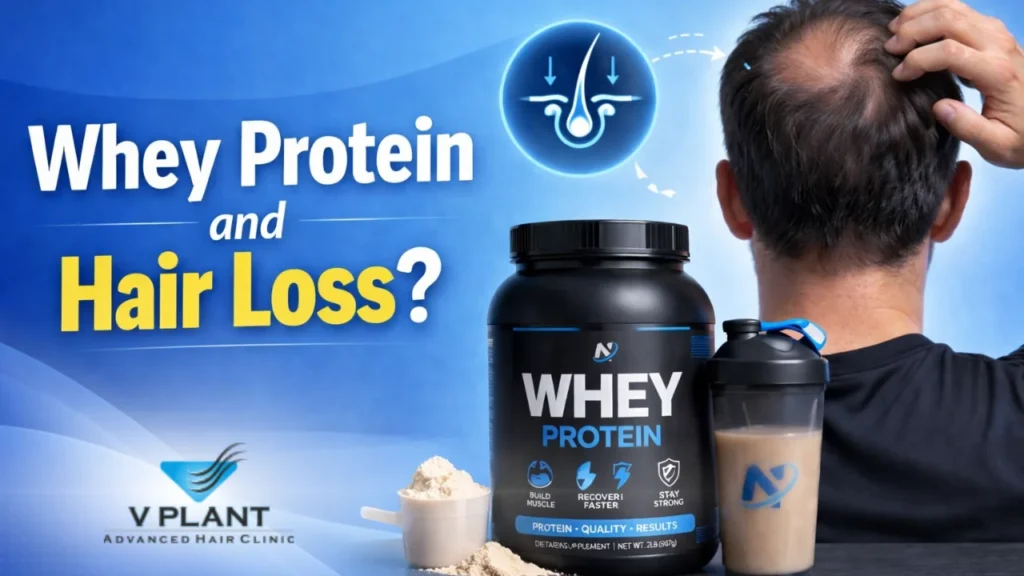
Whey Protein and Hair Loss: A Bald Truth or a Hairy Myth? is a question many gym-goers and fitness enthusiasts ask when they notice hair shedding after starting protein supplements. People often worry they may lose hair because of whey protein, but the truth is more complex. Hair thinning can happen due to many reasons such as genetics, hormones, stress, or nutritional imbalance. In some cases, the type of hair loss could be androgenetic alopecia, which affects both men and women and gradually causes thinning, bald spots, and weak hair strands. Understanding the real reason behind hair fall helps people make better choices about their fitness and hair care routine. Many individuals searching for answers are not only curious about supplements but are also looking for a long-term solution for hair loss or the right treatment for hair loss. When hair thinning becomes persistent, modern hair restoration options such as medical therapies or advanced hair transplant surgeries performed by experienced transplant surgeons can help restore confidence and support new hair growth. If you rely on protein shakes for muscle recovery but worry about hair fall, learning the facts can prevent unnecessary fear. This guide helps readers separate myth from science and discover practical ways to support both healthy hair regrowth and fitness goals. Protein Supplements and Hair Health Protein shakes have become part of everyday life for many athletes and fitness lovers. Among the many supplements available, whey protein remains one of the most popular choices for muscle recovery and strength building. However, a common question continues to circulate: Can whey protein cause hair loss? If you recently started using whey protein and noticed more hair strands on your pillow or comb, it’s natural to wonder if the supplement is responsible. The internet often provides mixed opinions, which makes it difficult to understand what is true and what is not. Before blaming whey protein, it is important to remember that hair loss usually happens because of multiple reasons. In some people, thinning hair may simply reveal an underlying condition such as androgenetic alopecia, where the hair follicle gradually shrinks over time. Let’s understand the connection between whey protein and hair loss in a clearer way. Understanding Whey Protein Whey protein is a high-quality protein that comes from milk during the cheese-making process. It contains essential amino acids that help repair muscles and support muscle growth after workouts. Because the body absorbs whey protein quickly, it is commonly used by people who: Interestingly, protein is also essential for healthy hair because hair is made mostly of keratin, a structural protein that grows from the hair follicle. So why do some people connect whey protein with hair loss? Why Whey Protein Gets Blamed for Hair Loss Many of the concerns about whey protein and hair fall come from personal experiences shared online. Some gym enthusiasts notice increased shedding after starting protein supplements. However, this does not always mean whey protein is the real cause. Hair thinning can occur due to genetics, hormonal changes, stress, poor nutrition, or underlying medical issues. Sometimes hair loss begins around the same time a person starts working out or taking supplements, which can create confusion. People who already have a genetic tendency for androgenetic alopecia may notice hair thinning earlier when hormone levels fluctuate. In such situations, individuals may eventually search for a permanent solution to hair loss, including medical care or advanced hair transplant procedures. Possible Causes of Hair Loss Linked to Whey Protein 1. Increased DHT Levels Some theories suggest that whey protein, especially whey isolate, might influence levels of a hormone called dihydrotestosterone (DHT). DHT plays a major role in androgenetic alopecia, the most common type of hair loss affecting both men and women. When people are genetically sensitive to DHT, their hair follicle may gradually shrink. This process can lead to thinning hair, receding hairlines, or visible bald spots. However, current research does not clearly prove that whey protein directly causes this issue. 2. Nutritional Imbalance Another reason hair loss may occur is poor nutrition. Sometimes people replace balanced meals with protein shakes. When this happens, the body may miss important nutrients needed for healthy hair follicle function. These nutrients include: Without these nutrients, hair may weaken and shedding can increase. 3. Overtraining and Physical Stress People who consume whey protein often follow intense workout routines. While exercise is beneficial, extreme training without enough rest can stress the body. Physical stress may lead to temporary hair shedding known as telogen effluvium. This type of hair loss usually improves with time once the body recovers. 4. Hormonal Changes from Supplements Some bodybuilding supplements contain extra ingredients such as: These substances may affect hormone balance. In individuals already prone to hair thinning, this could accelerate hair fall. This is why choosing high-quality supplements and maintaining balanced nutrition is important. Signs That Your Hair Loss Needs Attention Hair shedding is a normal part of the hair growth cycle. Most people lose around 50 to 100 strands every day. However, certain signs may indicate a deeper issue: If these symptoms continue for months, it may be time to explore proper treatment for hair loss. Is Whey Protein Safe for Hair? For most people, whey protein is safe and does not cause hair loss. In fact, protein deficiency can also cause weak hair and slow growth. The key is maintaining a balanced diet and not relying solely on supplements. Hair health depends on many factors including nutrition, hormones, genetics, and scalp health. If hair thinning becomes persistent, people often explore professional options such as hair restoration or modern hair transplant surgeries. Tips to Protect Your Hair While Using Whey Protein Maintain a Balanced Diet Eating nutritious food supports strong hair follicle health. Include foods like: These foods help support healthy hair regrowth. Choose High-Quality Supplements Always choose protein supplements that are free from harmful additives and unnecessary chemicals. Clean, high-quality supplements reduce the risk of hormonal imbalance. Avoid Excessive Protein Intake Too much protein may disturb overall

Whey Protein and Hair Loss Read More »

Hair Fall vs Hair Loss

Hair Fall vs Hair Loss

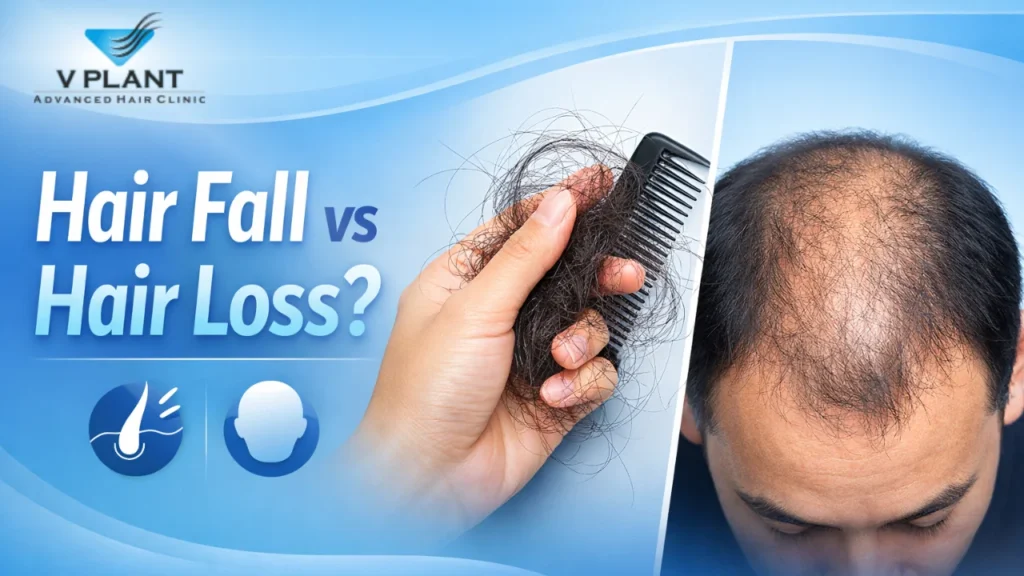
Hair Fall vs. Hair Loss: What’s the Difference and Why It Matters is a common question for anyone noticing more hair on their pillow, brush, or shower drain. While the terms sound similar, they actually describe two different situations. Hair fall usually refers to temporary shedding caused by stress, poor nutrition, illness, or hormonal changes. In most cases, it improves with the right care and a suitable hair fall remedy. Hair loss, however, tends to be more persistent and may involve gradual thinning, visible scalp, bald spots, or a receding hairline linked to genetics or medical conditions such as androgenetic alopecia. Understanding this difference is important because the treatment for hair loss can vary significantly depending on the type of hair loss. Acting early helps protect each hair follicle, prevents further thinning, and increases the chances of healthy hair regrowth and new hair growth. This guide explains the symptoms, causes, and practical solutions so readers can understand why people lose hair, when to seek professional help, and what modern hair restoration options are available for men and women. Hair problems are one of the most common concerns people face today. You might notice more strands on your pillow, hair stuck in the shower drain, or thinning areas on your scalp. Naturally, the first reaction is often panic. But before worrying too much, it’s important to understand one key thing: hair fall and hair loss are not the same. Many people use these terms interchangeably, but they actually describe two different conditions. Knowing the difference can help you choose the right solution for hair loss and prevent the problem from getting worse in the long term. Let’s break it down in simple terms so you can better understand what’s happening with your hair—and what you can do about it. Understanding the Hair Growth Cycle Before discussing hair fall and hair loss, it helps to know how hair normally grows. Each strand grows from a tiny structure called a hair follicle, which controls the natural growth cycle. Every hair on your scalp follows three main phases: 1. Anagen (Growth Phase) This is the active stage where hair grows continuously from the root. It usually lasts between two and six years. Healthy follicles during this phase produce strong hair and support steady hair regrowth. 2. Catagen (Transition Phase) This short stage lasts a few weeks. Hair growth slows, and the follicle prepares to enter the resting stage. 3. Telogen (Resting Phase) In this stage, hair rests and eventually sheds to make space for new hair growth. Losing 50 to 100 strands per day is completely normal. Your body naturally replaces these strands with new ones. Problems begin when this cycle becomes disturbed and follicles stop producing hair efficiently. What Is Hair Fall? Hair fall refers to temporary and excessive shedding of hair. It usually occurs when many hairs enter the shedding phase earlier than expected. The good news is that hair fall is often reversible. Once the cause is identified and treated, the hair follicle can recover and produce new strands again. Common Causes of Hair Fall Several everyday factors can trigger hair fall: Stress and lifestyle changesEmotional or physical stress can shock hair follicles and push them into the shedding phase. Nutritional deficienciesLow levels of iron, protein, vitamin D, or biotin can weaken hair roots and affect healthy growth. Hormonal fluctuationsPregnancy, thyroid imbalance, and PCOS can trigger temporary hair fall. Illness or medicationFever, infections, or certain medications may disrupt the hair cycle. Poor hair care habitsFrequent heat styling, chemical treatments, and tight hairstyles may weaken hair roots. Sudden weight loss or crash dietsWhen your body lacks nutrients, hair is often one of the first things affected. Symptoms of Hair Fall Hair fall typically shows signs like: • Excessive hair on pillows or hairbrushes• More hair shedding during washing• Temporary thinning of hair• Reduced hair volume However, the hairline usually remains intact, and bald spots are uncommon. What Is Hair Loss? Hair loss is a more persistent condition where hair stops growing in certain areas of the scalp. Unlike temporary hair fall, hair loss often involves shrinking or damage to the hair follicle, making it harder for new strands to grow. Hair loss usually requires proper treatment for hair loss and sometimes advanced hair restoration methods. Common Causes of Hair Loss Hair loss can occur due to several reasons: Genetics (Androgenetic Alopecia)This is the most common cause of hair loss in both men and women. It leads to thinning hair, a receding hairline, or crown baldness. Hormonal imbalanceConditions such as thyroid disorders or PCOS can cause long-term thinning. Autoimmune conditionsIn some cases, the immune system mistakenly attacks hair follicles. Age-related hair thinningAs people age, hair follicles gradually shrink. Scalp infections or diseasesCertain conditions can damage the follicle and prevent healthy hair growth. Symptoms of Hair Loss Hair loss usually develops gradually and may include: • A receding hairline• Thinning at the crown• Visible scalp• Bald spots• Gradual reduction in hair density If not treated early, follicles may stop producing hair entirely. Hair Fall vs. Hair Loss: The Key Differences Understanding these differences helps you respond correctly. Feature Hair Fall Hair Loss Nature Temporary shedding Long-term or permanent Cause Stress, illness, nutrition Genetics, hormonal changes Hair regrowth Usually grows back May require medical treatment Hairline Usually unaffected May recede Treatment Lifestyle changes Medical therapy or hair transplant surgeries Simply put, hair fall is usually temporary, while hair loss often requires professional treatment. Why Identifying the Problem Early Matters Many people ignore the early signs of hair problems. They assume it is seasonal shedding or temporary stress. However, early stages of conditions like androgenetic alopecia can appear very mild at first. Delaying treatment may allow hair follicles to weaken further. The sooner the underlying cause is identified, the easier it becomes to find the right solution to hair loss. A professional evaluation can help determine the type of hair loss, the health of the donor area, and whether medical treatment or advanced hair restoration

Hair Fall vs Hair Loss Read More »

How to Regrow Hair After Pregnancy

How to Regrow Hair After Pregnancy

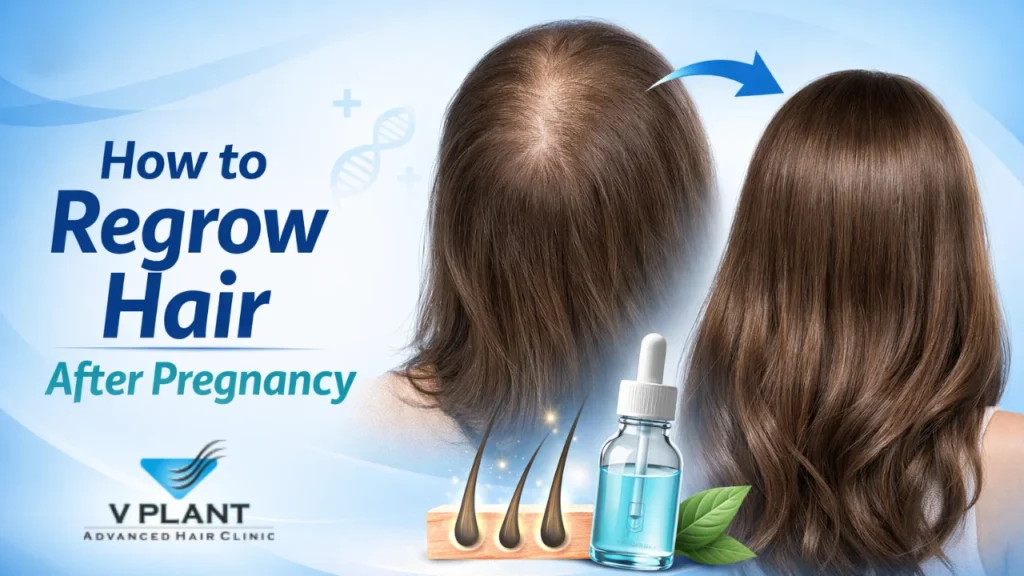
Introduction How to Regrow Hair After Pregnancy: Expert Tips for New Moms is a helpful guide for women who notice increased hair fall a few months after childbirth. Many new mothers experience postpartum hair loss because of hormonal changes, stress, and nutritional shifts after delivery. Although it can feel worrying, this type of hair loss is usually temporary and manageable with the right care. This guide explains practical ways to support postpartum hair regrowth, including balanced nutrition, gentle hair care, scalp health, and lifestyle habits that strengthen each hair follicle. It also helps new moms understand when hair fall is normal and when it may require professional treatment for hair loss. While postpartum shedding is different from conditions like androgenetic alopecia, many women still worry they may permanently lose hair. The good news is that early care, healthy habits, and expert guidance can support new hair growth and long-term hair health for men and women. For mothers navigating physical and emotional changes after childbirth, this guide provides reassurance and a practical solution for hair loss. By understanding the causes and learning simple recovery tips, new moms can take confident steps toward restoring fuller, healthier hair. Becoming a Mother and Noticing Hair Loss Becoming a mother is one of life’s most beautiful journeys. But along with sleepless nights, diaper changes, and emotional adjustments, many new moms notice something unexpected — excessive hair fall after pregnancy. If you see more hair strands on your pillow, in the shower, or in your hairbrush, you are not alone. Post-pregnancy hair loss is extremely common. The positive news is that this condition rarely leads to permanent bald spots and usually improves with time. Understanding why it happens and how to encourage hair regrowth can make a big difference in your overall confidence and well-being. Why Does Hair Fall Happen After Pregnancy? During pregnancy, many women experience thicker and fuller hair. This happens because high levels of estrogen keep hair in the growth phase longer than usual. After delivery, hormone levels suddenly drop. This shift pushes many hair follicles into the shedding phase at the same time, which leads to visible hair fall. This condition is medically known as postpartum telogen effluvium. It usually starts 2 to 4 months after childbirth. Unlike permanent hair loss conditions such as androgenetic alopecia, postpartum hair fall usually resolves naturally as hormones stabilize and new hair growth begins. Common Causes of Hair Loss After Pregnancy Hormonal changes are the main cause, but several other factors can increase postpartum hair fall. 1. Hormonal Changes After childbirth, estrogen levels return to normal. Hair that stayed in the growth stage during pregnancy enters the shedding phase. 2. Physical and Emotional Stress Pregnancy and delivery put significant stress on the body. Lack of sleep and emotional adjustments can also affect the hair cycle. 3. Nutritional Deficiencies Many new mothers focus on their baby and forget their own nutrition. Low iron, protein, vitamins, and minerals can weaken the hair follicle and slow hair regrowth. 4. Thyroid Imbalance Temporary thyroid changes after pregnancy may lead to hair thinning. 5. Tight Hairstyles and Hair Damage Tight ponytails, buns, and heavy styling can weaken the roots and increase breakage. Symptoms of Postpartum Hair Loss Post-pregnancy hair fall often appears in noticeable ways. Common signs include: Most women experience peak shedding around 3 to 6 months after delivery. If hair loss continues longer or becomes severe, it may require professional treatment for hair loss to rule out other causes. How Long Does Postpartum Hair Loss Last? The recovery timeline varies from person to person. Typical stages include: The key is to support your body with good nutrition, scalp care, and healthy habits for long term hair health. Effective Ways to Regrow Hair After Pregnancy The encouraging news is that postpartum hair loss is manageable. With patience and the right approach, healthy hair growth can return. Here are expert-recommended steps to encourage hair regrowth. 1. Maintain a Nutrient-Rich Diet Hair needs nutrients to grow strong. New mothers should include: A balanced diet supports healthy hair follicles and promotes new hair growth. 2. Continue Prenatal Vitamins (If Recommended) Doctors often advise continuing prenatal vitamins during breastfeeding. Important nutrients include: These nutrients strengthen hair roots and support hair regrowth. 3. Be Gentle With Your Hair Hair roots are sensitive during this period. Helpful habits include: These steps protect the scalp and reduce hair breakage. 4. Massage Your Scalp Regularly Scalp massage improves blood flow and stimulates the hair follicle. Natural oils like coconut oil, almond oil, and castor oil nourish the scalp and support hair strength. A gentle massage 2–3 times per week can encourage new hair growth. 5. Manage Stress and Get Rest Sleep and relaxation play an important role in hair health. Helpful habits include: Lower stress levels support hormone balance and reduce the chances of excessive hair fall. 6. Choose Volumizing Haircuts A simple haircut can create the appearance of thicker hair. Layered hairstyles help hair look fuller while hair regrowth occurs naturally. When Should You Seek Professional Help? Postpartum hair loss is normal, but some situations require medical attention. Consult a specialist if: A specialist can identify whether the condition is postpartum shedding or another type of hair loss such as androgenetic alopecia. Advanced Treatments for Hair Regrowth Modern dermatology offers several solutions for women who experience persistent hair loss. These treatments support stronger hair follicles and improved hair density. PRP (Platelet-Rich Plasma) Therapy PRP therapy uses growth factors from your own blood to stimulate new hair growth. Mesotherapy Small injections of vitamins and nutrients improve scalp health and hair strength. Medical Hair Treatments Specialized therapies recommended by experts can help slow hair loss and improve regrowth. In rare cases where hair loss becomes permanent, some individuals may explore hair restoration options. These can include different types of hair transplant procedures performed by experienced hair transplant surgeons. Hair Transplant Options for Long-Term Hair Loss Although postpartum hair loss usually resolves naturally, advanced hair loss conditions may require

How to Regrow Hair After Pregnancy Read More »

The Ultimate Guide to Faster Hair Growth

The Ultimate Guide to Faster Hair Growth

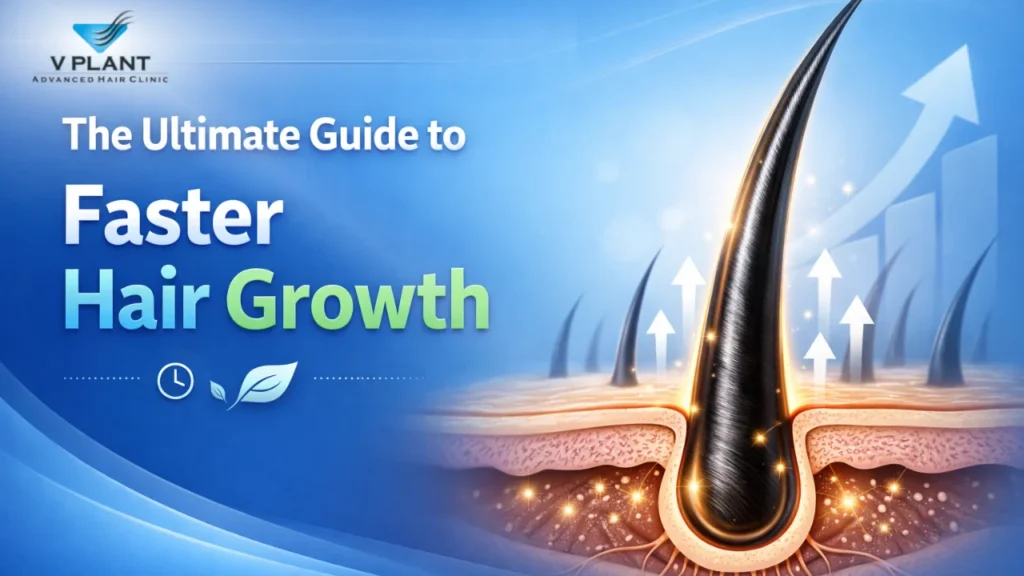
The Ultimate Guide to Faster Hair Growth: Secrets You Need to Know is a practical and easy-to-understand resource for anyone dealing with slow hair growth, thinning hair, or constant hair fall. Many men and women today worry when they start to lose hair, notice thinning areas, or develop visible bald spots. This guide explains how healthy hair grows, what affects the hair follicle, and what simple steps can support stronger and faster hair regrowth. From maintaining proper scalp care and balanced nutrition to choosing the right treatment for hair loss, this guide highlights solutions that truly work. It also introduces modern hair restoration options such as advanced hair transplant procedures, which are often recommended by experienced hair transplant surgeons for people with significant hair thinning. The goal of this guide is simple: to help you understand the real causes of hair fall and discover the most effective solution for hair loss. Whether your concern is mild hair thinning or advanced androgenetic alopecia, learning the science behind hair growth can help you find the right solution to hair loss and encourage healthy new hair growth over time. Healthy, thick, and shiny hair is something almost everyone hopes to achieve. However, modern lifestyles, stress, pollution, hormonal changes, and poor hair care habits often disrupt the hair growth cycle. As a result, many people experience slow growth, hair thinning, or hair fall. If you’ve been searching for ways to grow your hair faster and naturally, you are not alone. Hair growth is not only about using the right shampoo or oil. It depends on proper nutrition, scalp health, lifestyle habits, and choosing the right treatment for hair loss when necessary. In some cases, people may also explore advanced types of hair transplant procedures as a long term solution when hair loss becomes severe. Understanding how hair grows allows you to make better choices that support stronger hair follicles and long-lasting hair regrowth. Understanding How Hair Growth Works Before learning how to grow hair faster, it is important to understand how hair grows naturally. Each strand of hair develops from a tiny hair follicle located in the scalp. These follicles determine the thickness, strength, and growth rate of your hair. On average, hair grows around 1 to 1.5 cm per month. However, this rate can vary depending on genetics, health, and scalp condition. Hair growth follows three main stages: Anagen Phase (Growth Phase) This is the active growth stage where the hair follicle produces hair continuously for several years. Healthy follicles during this phase support consistent new hair growth. Catagen Phase (Transition Phase) During this short stage, the follicle shrinks and hair growth slows down. Telogen Phase (Resting Phase) In this phase, hair eventually sheds, and the follicle prepares to produce new strands. When this cycle gets disrupted, people may start noticing thinning areas, visible bald spots, or a reduction in hair density. Identifying the type of hair loss early is important for choosing the right treatment for hair loss. Common Reasons for Slow Hair Growth Several factors can slow hair growth or cause excessive hair fall. Understanding these causes can help you choose the best solution for hair loss. 1. Nutritional Deficiencies Hair follicles require nutrients like protein, iron, zinc, and vitamins to grow strong hair. Poor nutrition weakens the follicle and slows hair regrowth. 2. Stress and Lifestyle High stress can disturb the hair growth cycle and push follicles into the resting phase. This often leads to noticeable hair shedding. 3. Hormonal Imbalance Hormonal changes are a major cause of hair thinning. A common condition called androgenetic alopecia affects both men and women, gradually causing thinning hair or a receding hairline. 4. Excessive Heat and Chemical Styling Frequent use of straighteners, dryers, hair coloring, and chemical treatments can damage hair shafts and weaken follicles. 5. Poor Scalp Health A healthy scalp allows follicles to function properly. Issues like dandruff, inflammation, or clogged follicles can reduce new hair growth. Proven Secrets for Faster Hair Growth If you want thicker and healthier hair, consistent care is key. Simple habits can strengthen hair roots and encourage natural hair regrowth. 1. Maintain a Healthy Diet for Hair Growth Your hair reflects your overall health. A balanced diet plays an important role in natural hair restoration. Include foods rich in: Proper nutrition not only improves natural hair growth but also supports the success of transplanted hair in people who undergo hair transplant surgeries. 2. Use the Right Hair Oil Regular scalp massage with the best hair oil for men hair growth or best hair oil for women hair growth improves scalp circulation and strengthens roots. Benefits of oiling include: Natural oils such as coconut oil, almond oil, and castor oil are widely used as a home remedy for hair fall. 3. Follow a Gentle Hair Care Routine Harsh hair care practices can damage follicles and slow hair growth. A simple routine can protect your scalp and prevent further hair loss. Healthy habits include: These small changes support healthier follicles and promote steady new hair growth. 4. Try Effective Home Remedies for Hair Fall Many people prefer natural options as a hair treatment at home for hair fall. These remedies can improve scalp health and strengthen hair roots. Onion JuiceOnion juice contains sulfur that improves blood flow and stimulates the hair follicle. Aloe VeraAloe vera calms scalp irritation and supports healthy hair growth. Fenugreek SeedsFenugreek seeds contain proteins and nutrients that strengthen roots. While these remedies may help mild hair fall, severe conditions like androgenetic alopecia may require professional treatment for hair loss. 5. Reduce Stress and Improve Lifestyle Stress is a common but often ignored cause of hair fall. Managing stress helps restore the natural hair growth cycle. Healthy habits include: A balanced lifestyle improves hormone balance and supports healthy hair regrowth. 6. Consider Professional Hair Loss Treatments If hair loss continues for a long time or worsens, professional treatments may provide a reliable solution to hair loss. Modern hair restoration treatments can improve hair density

The Ultimate Guide to Faster Hair Growth Read More »