


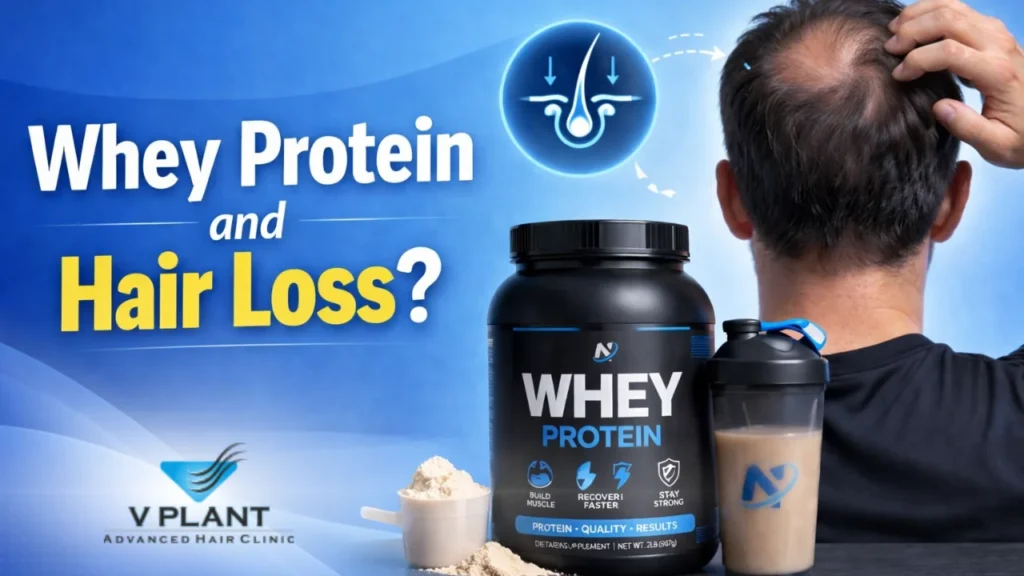
Whey Protein and Hair Loss: A Bald Truth or a Hairy Myth? is a question many gym-goers and fitness enthusiasts ask when they notice hair shedding after starting protein supplements. People often worry they may lose hair because of whey protein, but the truth is more complex. Hair thinning can happen due to many reasons such as genetics, hormones, stress, or nutritional imbalance. In some cases, the type of hair loss could be androgenetic alopecia, which affects both men and women and gradually causes thinning, bald spots, and weak hair strands.
Understanding the real reason behind hair fall helps people make better choices about their fitness and hair care routine. Many individuals searching for answers are not only curious about supplements but are also looking for a long-term solution for hair loss or the right treatment for hair loss. When hair thinning becomes persistent, modern hair restoration options such as medical therapies or advanced hair transplant surgeries performed by experienced transplant surgeons can help restore confidence and support new hair growth.
If you rely on protein shakes for muscle recovery but worry about hair fall, learning the facts can prevent unnecessary fear. This guide helps readers separate myth from science and discover practical ways to support both healthy hair regrowth and fitness goals.
Protein Supplements and Hair Health
Protein shakes have become part of everyday life for many athletes and fitness lovers. Among the many supplements available, whey protein remains one of the most popular choices for muscle recovery and strength building.
However, a common question continues to circulate: Can whey protein cause hair loss?
If you recently started using whey protein and noticed more hair strands on your pillow or comb, it’s natural to wonder if the supplement is responsible. The internet often provides mixed opinions, which makes it difficult to understand what is true and what is not.
Before blaming whey protein, it is important to remember that hair loss usually happens because of multiple reasons. In some people, thinning hair may simply reveal an underlying condition such as androgenetic alopecia, where the hair follicle gradually shrinks over time.
Let’s understand the connection between whey protein and hair loss in a clearer way.
Understanding Whey Protein
Whey protein is a high-quality protein that comes from milk during the cheese-making process. It contains essential amino acids that help repair muscles and support muscle growth after workouts.
Because the body absorbs whey protein quickly, it is commonly used by people who:
- Exercise regularly
- Want to build muscle
- Need extra dietary protein
- Are trying to lose weight while preserving lean muscle
Interestingly, protein is also essential for healthy hair because hair is made mostly of keratin, a structural protein that grows from the hair follicle.
So why do some people connect whey protein with hair loss?
Why Whey Protein Gets Blamed for Hair Loss
Many of the concerns about whey protein and hair fall come from personal experiences shared online. Some gym enthusiasts notice increased shedding after starting protein supplements.
However, this does not always mean whey protein is the real cause.
Hair thinning can occur due to genetics, hormonal changes, stress, poor nutrition, or underlying medical issues. Sometimes hair loss begins around the same time a person starts working out or taking supplements, which can create confusion.
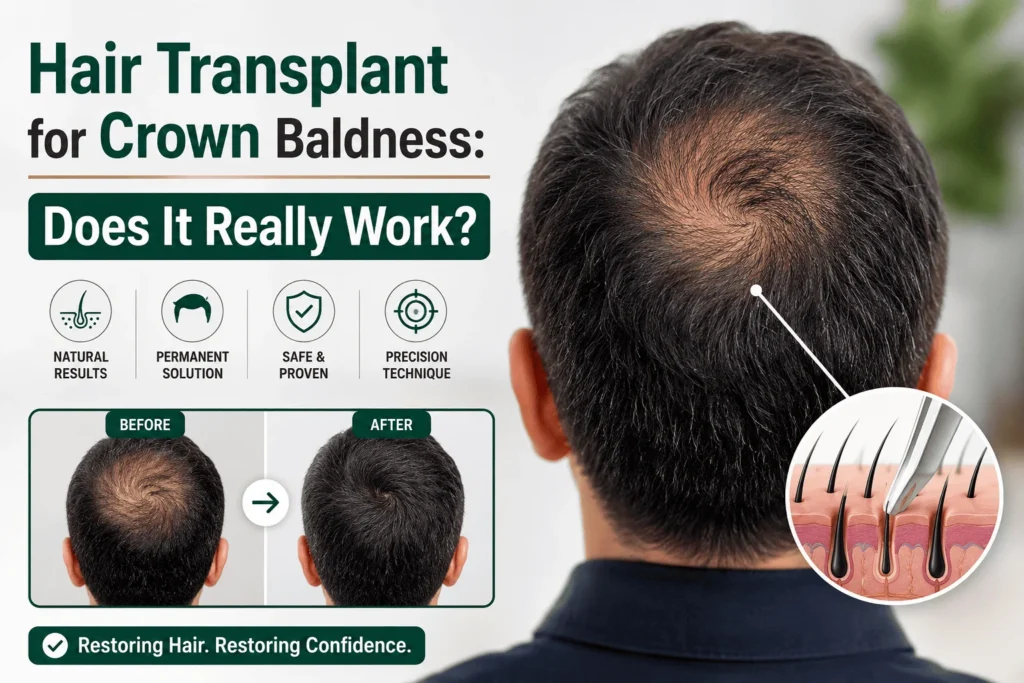
People who already have a genetic tendency for androgenetic alopecia may notice hair thinning earlier when hormone levels fluctuate. In such situations, individuals may eventually search for a permanent solution to hair loss, including medical care or advanced hair transplant procedures.
Possible Causes of Hair Loss Linked to Whey Protein
1. Increased DHT Levels
Some theories suggest that whey protein, especially whey isolate, might influence levels of a hormone called dihydrotestosterone (DHT).
DHT plays a major role in androgenetic alopecia, the most common type of hair loss affecting both men and women. When people are genetically sensitive to DHT, their hair follicle may gradually shrink. This process can lead to thinning hair, receding hairlines, or visible bald spots.
However, current research does not clearly prove that whey protein directly causes this issue.
2. Nutritional Imbalance
Another reason hair loss may occur is poor nutrition.
Sometimes people replace balanced meals with protein shakes. When this happens, the body may miss important nutrients needed for healthy hair follicle function.
These nutrients include:
- Iron
- Zinc
- Biotin
- Vitamin D
- Omega-3 fatty acids
Without these nutrients, hair may weaken and shedding can increase.
3. Overtraining and Physical Stress
People who consume whey protein often follow intense workout routines. While exercise is beneficial, extreme training without enough rest can stress the body.
Physical stress may lead to temporary hair shedding known as telogen effluvium. This type of hair loss usually improves with time once the body recovers.
4. Hormonal Changes from Supplements
Some bodybuilding supplements contain extra ingredients such as:
- Creatine
- Testosterone boosters
- Hormonal enhancers
These substances may affect hormone balance. In individuals already prone to hair thinning, this could accelerate hair fall.
This is why choosing high-quality supplements and maintaining balanced nutrition is important.
Signs That Your Hair Loss Needs Attention
Hair shedding is a normal part of the hair growth cycle. Most people lose around 50 to 100 strands every day.
However, certain signs may indicate a deeper issue:
- Excessive hair fall during combing or washing
- Thinning near the crown or temples
- A widening hair part
- Visible scalp through the hair
- Slow or reduced hair growth
- Sudden heavy shedding
If these symptoms continue for months, it may be time to explore proper treatment for hair loss.
Is Whey Protein Safe for Hair?
For most people, whey protein is safe and does not cause hair loss.
In fact, protein deficiency can also cause weak hair and slow growth. The key is maintaining a balanced diet and not relying solely on supplements.
Hair health depends on many factors including nutrition, hormones, genetics, and scalp health.
If hair thinning becomes persistent, people often explore professional options such as hair restoration or modern hair transplant surgeries.
Tips to Protect Your Hair While Using Whey Protein
Maintain a Balanced Diet
Eating nutritious food supports strong hair follicle health.
Include foods like:
- Leafy vegetables
- Eggs
- Nuts and seeds
- Fresh fruits
- Whole grains
- Lean proteins
These foods help support healthy hair regrowth.
Choose High-Quality Supplements
Always choose protein supplements that are free from harmful additives and unnecessary chemicals. Clean, high-quality supplements reduce the risk of hormonal imbalance.
Avoid Excessive Protein Intake
Too much protein may disturb overall nutritional balance.
Most adults require about 0.8–1.2 grams of protein per kilogram of body weight per day, depending on activity level.
Manage Stress and Recovery
Adequate sleep and rest are essential for healthy hair growth. Overtraining can increase physical stress and may trigger temporary shedding.
When Hair Loss Needs Medical Attention
If hair loss continues despite lifestyle improvements, the cause may be deeper.
Common causes include:
- Genetic hair loss
- Hormonal imbalance
- Nutritional deficiencies
- Thyroid disorders
- Scalp problems
In such cases, consulting an expert can help identify the real cause and recommend the right solution for hair loss.
Modern Solutions for Hair Restoration
Today, advanced hair restoration treatments offer effective solutions for people experiencing hair thinning.
Some common options include:
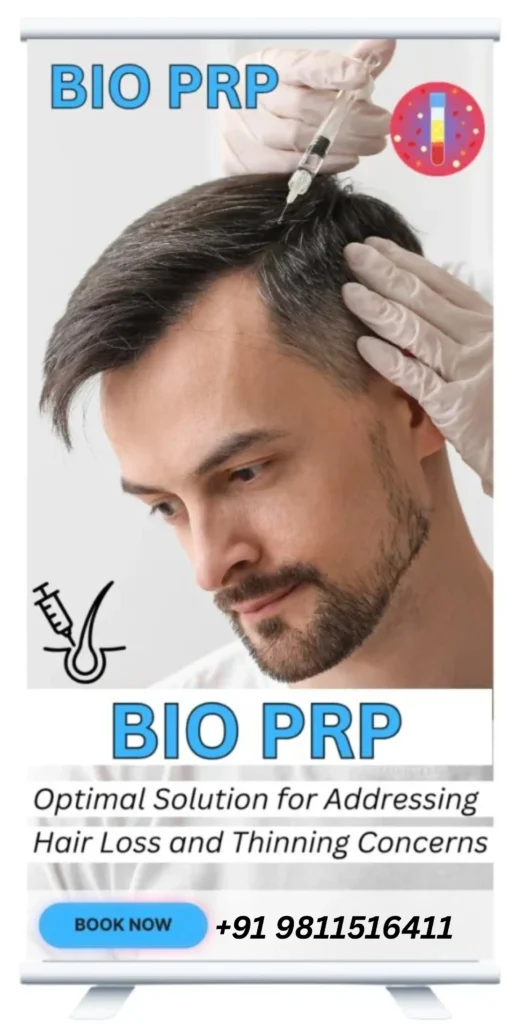
- PRP therapy
- Medications for treatment for hair loss
- Scalp therapies
- Advanced hair transplant procedures
There are several types of hair transplant procedures available today. Popular types of hair transplant techniques include follicular unit extraction fue, follicular unit transplantation fut, and modern approaches such as MHI & DHI methods.
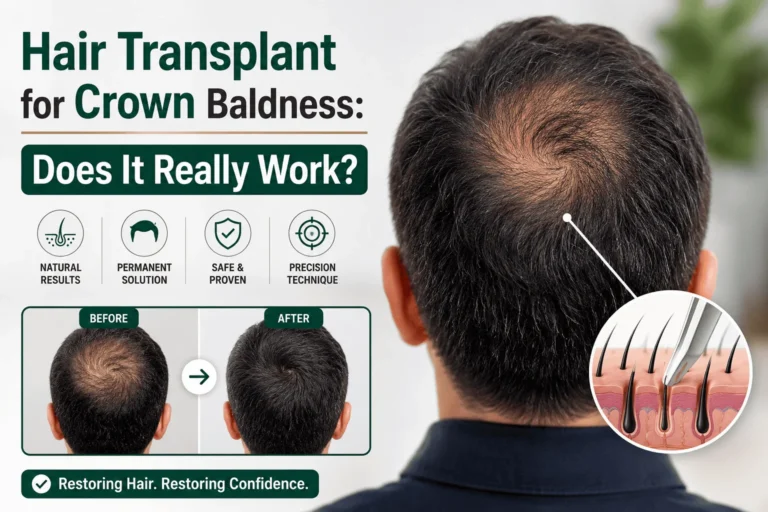
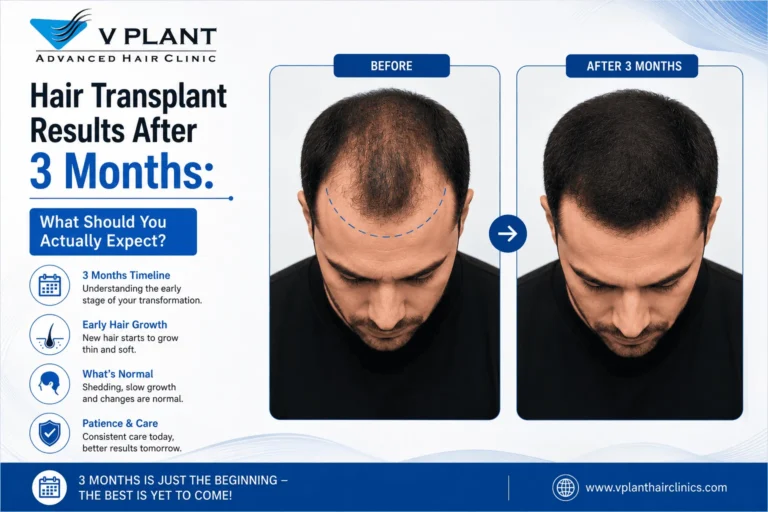
During a typical hair transplant procedure, healthy hair follicles are taken from the donor area, also known as the donor site, usually located at the back of the scalp. These follicles are carefully prepared as hair grafts and then placed into the thinning or balding recipient area.
Modern fue hair transplantations allow surgeons to extract individual follicles, which reduces scarring and promotes faster healing. Meanwhile, follicular unit transplantation fut involves removing a strip of scalp from the donor area to obtain multiple hair grafts.
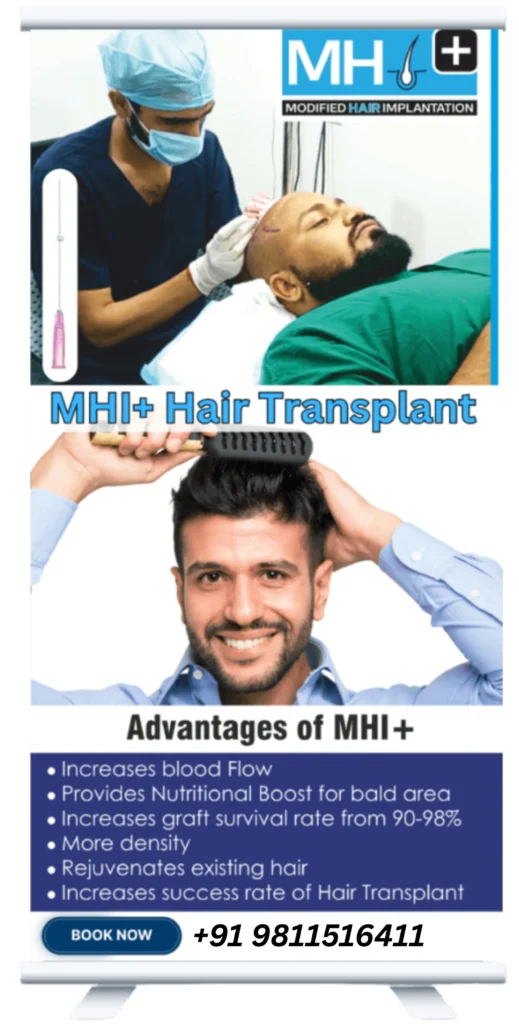
Advanced implantation techniques like MHI & DHI methods allow precise placement of transplanted hair, improving density and natural direction.
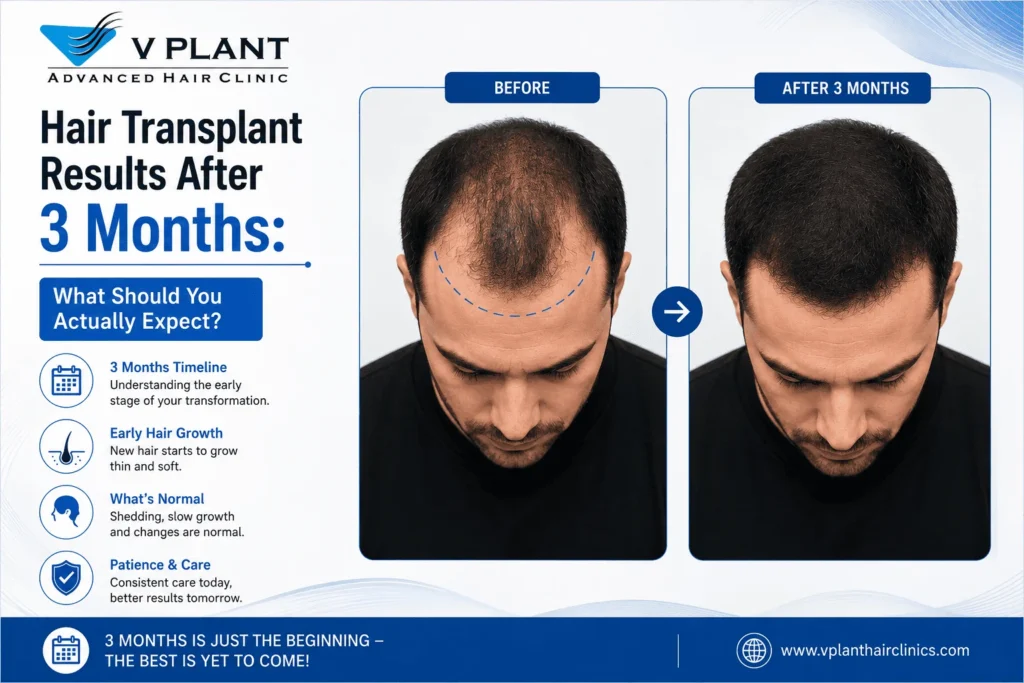
These advanced procedures have improved the overall hair transplant experience and helped people achieve better hair transplant expectations with natural-looking results.
Expert Care Matters
Choosing an experienced hair transplant surgeon plays a major role in successful outcomes.
In Mumbai, Dr. Amit Agarkar is known for providing advanced hair restoration treatments. At VPlant Hair Clinic, Mumbai, patients receive detailed consultations to identify the exact type of hair loss they are experiencing.
The clinic offers personalized treatment plans, whether someone needs medical therapy or advanced types of hair transplant procedures.
Experienced transplant surgeons at the clinic carefully evaluate the donor area, design the hairline, and place hair grafts in the recipient area to create natural-looking new hair growth.
Their approach focuses on long-term results, helping people regain both hair density and confidence.
The Bottom Line
So, is whey protein the villain behind hair loss?
For most people, the answer is no.
Whey protein itself is not a proven cause of hair loss. However, genetics, hormone sensitivity, poor nutrition, and intense training can all contribute to hair thinning.
Maintaining a balanced diet, choosing good supplements, and taking care of overall health can help protect your hair.
If hair thinning continues or bald spots appear, professional guidance may be necessary. Modern treatments and hair transplant surgeries can provide an effective solution to hair loss and support healthy hair regrowth in the long term.
A Gentle Step Toward Healthier Hair
Hair loss can be frustrating, especially when it affects confidence and daily life. The good news is that modern science offers many reliable options today.
Anyone struggling with persistent hair fall may consider consulting Dr. Amit Agarkar at VPlant Hair Clinic, Mumbai. With advanced diagnostic methods, medical treatments, and modern hair transplant procedures, the clinic provides trusted care for individuals looking to restore natural hair and confidence.
Because when it comes to hair health, understanding the truth behind myths is the first step toward the right solution—and healthier hair for the future.