



Introduction
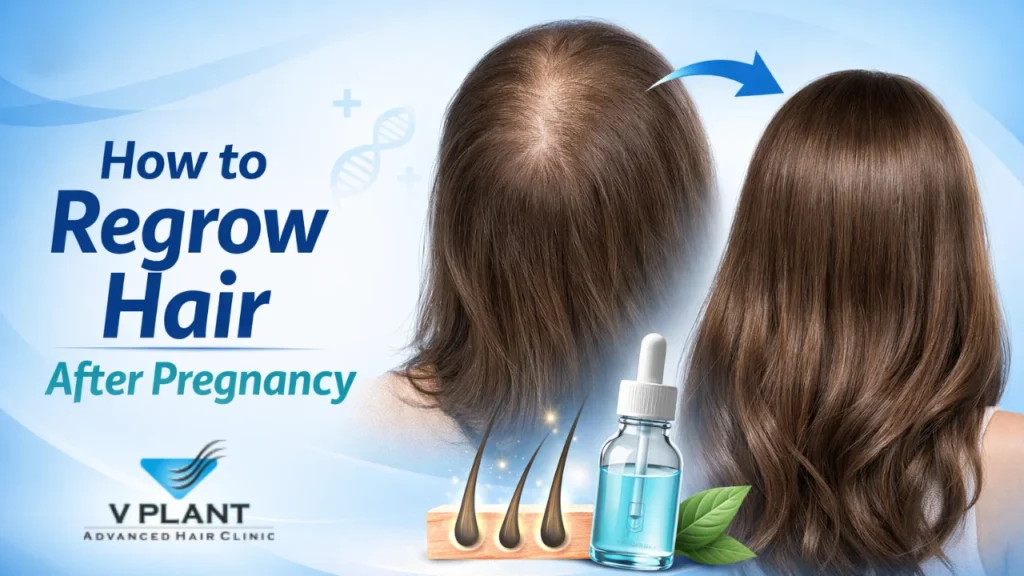
How to Regrow Hair After Pregnancy: Expert Tips for New Moms is a helpful guide for women who notice increased hair fall a few months after childbirth. Many new mothers experience postpartum hair loss because of hormonal changes, stress, and nutritional shifts after delivery. Although it can feel worrying, this type of hair loss is usually temporary and manageable with the right care.
This guide explains practical ways to support postpartum hair regrowth, including balanced nutrition, gentle hair care, scalp health, and lifestyle habits that strengthen each hair follicle. It also helps new moms understand when hair fall is normal and when it may require professional treatment for hair loss.
While postpartum shedding is different from conditions like androgenetic alopecia, many women still worry they may permanently lose hair. The good news is that early care, healthy habits, and expert guidance can support new hair growth and long-term hair health for men and women.
For mothers navigating physical and emotional changes after childbirth, this guide provides reassurance and a practical solution for hair loss. By understanding the causes and learning simple recovery tips, new moms can take confident steps toward restoring fuller, healthier hair.
Becoming a Mother and Noticing Hair Loss
Becoming a mother is one of life’s most beautiful journeys. But along with sleepless nights, diaper changes, and emotional adjustments, many new moms notice something unexpected — excessive hair fall after pregnancy.
If you see more hair strands on your pillow, in the shower, or in your hairbrush, you are not alone. Post-pregnancy hair loss is extremely common. The positive news is that this condition rarely leads to permanent bald spots and usually improves with time.
Understanding why it happens and how to encourage hair regrowth can make a big difference in your overall confidence and well-being.
Why Does Hair Fall Happen After Pregnancy?
During pregnancy, many women experience thicker and fuller hair. This happens because high levels of estrogen keep hair in the growth phase longer than usual.
After delivery, hormone levels suddenly drop. This shift pushes many hair follicles into the shedding phase at the same time, which leads to visible hair fall.
This condition is medically known as postpartum telogen effluvium. It usually starts 2 to 4 months after childbirth.
Unlike permanent hair loss conditions such as androgenetic alopecia, postpartum hair fall usually resolves naturally as hormones stabilize and new hair growth begins.
Common Causes of Hair Loss After Pregnancy
Hormonal changes are the main cause, but several other factors can increase postpartum hair fall.
1. Hormonal Changes
After childbirth, estrogen levels return to normal. Hair that stayed in the growth stage during pregnancy enters the shedding phase.
2. Physical and Emotional Stress
Pregnancy and delivery put significant stress on the body. Lack of sleep and emotional adjustments can also affect the hair cycle.
3. Nutritional Deficiencies
Many new mothers focus on their baby and forget their own nutrition. Low iron, protein, vitamins, and minerals can weaken the hair follicle and slow hair regrowth.
4. Thyroid Imbalance
Temporary thyroid changes after pregnancy may lead to hair thinning.
5. Tight Hairstyles and Hair Damage
Tight ponytails, buns, and heavy styling can weaken the roots and increase breakage.
Symptoms of Postpartum Hair Loss
Post-pregnancy hair fall often appears in noticeable ways.
Common signs include:
- Excess hair shedding during combing or washing
- Large amounts of hair strands falling out
- Thinning near the temples
- Reduced hair volume
- A wider hair parting
- Hair collecting on pillows or shower drains
Most women experience peak shedding around 3 to 6 months after delivery.
If hair loss continues longer or becomes severe, it may require professional treatment for hair loss to rule out other causes.
How Long Does Postpartum Hair Loss Last?
The recovery timeline varies from person to person.
Typical stages include:
- Hair fall begins 2–4 months after delivery
- Shedding continues for 3–6 months
- New hair growth begins gradually
- Full recovery may take 6–12 months
The key is to support your body with good nutrition, scalp care, and healthy habits for long term hair health.
Effective Ways to Regrow Hair After Pregnancy
The encouraging news is that postpartum hair loss is manageable. With patience and the right approach, healthy hair growth can return.
Here are expert-recommended steps to encourage hair regrowth.
1. Maintain a Nutrient-Rich Diet
Hair needs nutrients to grow strong.
New mothers should include:
- Protein-rich foods like eggs, lentils, and paneer
- Iron-rich foods such as spinach and dates
- Nuts and seeds for healthy fats
- Fruits and vegetables for vitamins
- Whole grains for overall nourishment
A balanced diet supports healthy hair follicles and promotes new hair growth.
2. Continue Prenatal Vitamins (If Recommended)
Doctors often advise continuing prenatal vitamins during breastfeeding.
Important nutrients include:
- Iron
- Biotin
- Zinc
- Vitamin D
These nutrients strengthen hair roots and support hair regrowth.
3. Be Gentle With Your Hair
Hair roots are sensitive during this period.
Helpful habits include:
- Avoid tight hairstyles
- Use wide-tooth combs
- Limit heat styling
- Choose gentle shampoos
These steps protect the scalp and reduce hair breakage.
4. Massage Your Scalp Regularly
Scalp massage improves blood flow and stimulates the hair follicle.
Natural oils like coconut oil, almond oil, and castor oil nourish the scalp and support hair strength.
A gentle massage 2–3 times per week can encourage new hair growth.
5. Manage Stress and Get Rest
Sleep and relaxation play an important role in hair health.
Helpful habits include:
- Taking short naps
- Practicing deep breathing
- Doing light exercise after recovery
Lower stress levels support hormone balance and reduce the chances of excessive hair fall.
6. Choose Volumizing Haircuts
A simple haircut can create the appearance of thicker hair.
Layered hairstyles help hair look fuller while hair regrowth occurs naturally.
When Should You Seek Professional Help?
Postpartum hair loss is normal, but some situations require medical attention.
Consult a specialist if:
- Hair loss continues beyond 12 months
- Visible bald spots appear
- Hair thinning becomes severe
- The scalp becomes itchy or irritated
- Hair loss affects your confidence
A specialist can identify whether the condition is postpartum shedding or another type of hair loss such as androgenetic alopecia.
Advanced Treatments for Hair Regrowth
Modern dermatology offers several solutions for women who experience persistent hair loss.
These treatments support stronger hair follicles and improved hair density.
PRP (Platelet-Rich Plasma) Therapy
PRP therapy uses growth factors from your own blood to stimulate new hair growth.
Mesotherapy
Small injections of vitamins and nutrients improve scalp health and hair strength.
Medical Hair Treatments
Specialized therapies recommended by experts can help slow hair loss and improve regrowth.
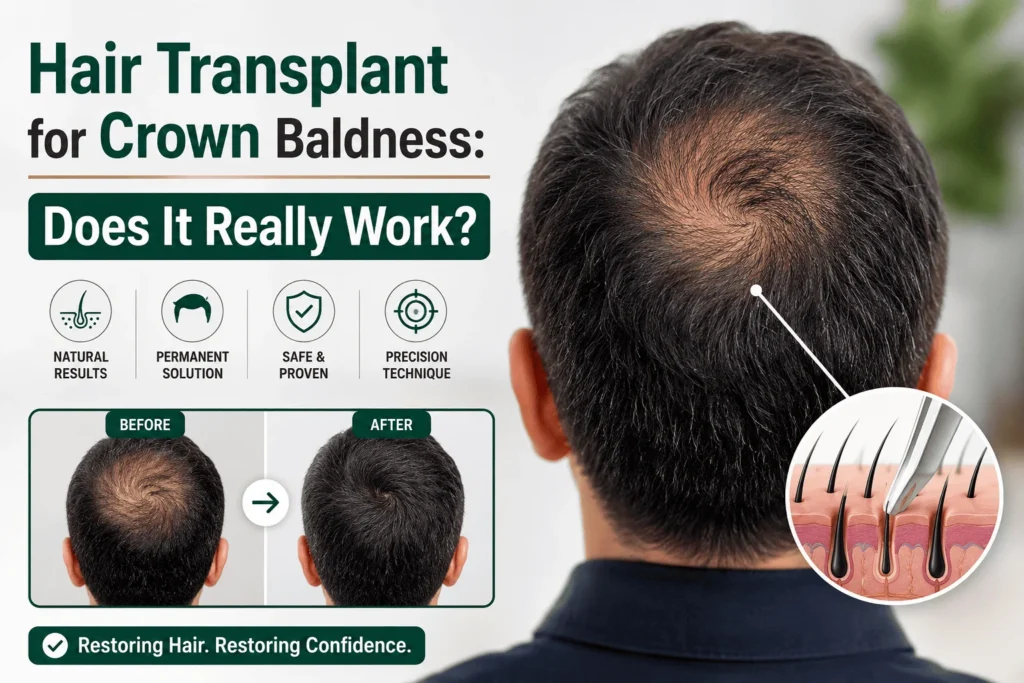
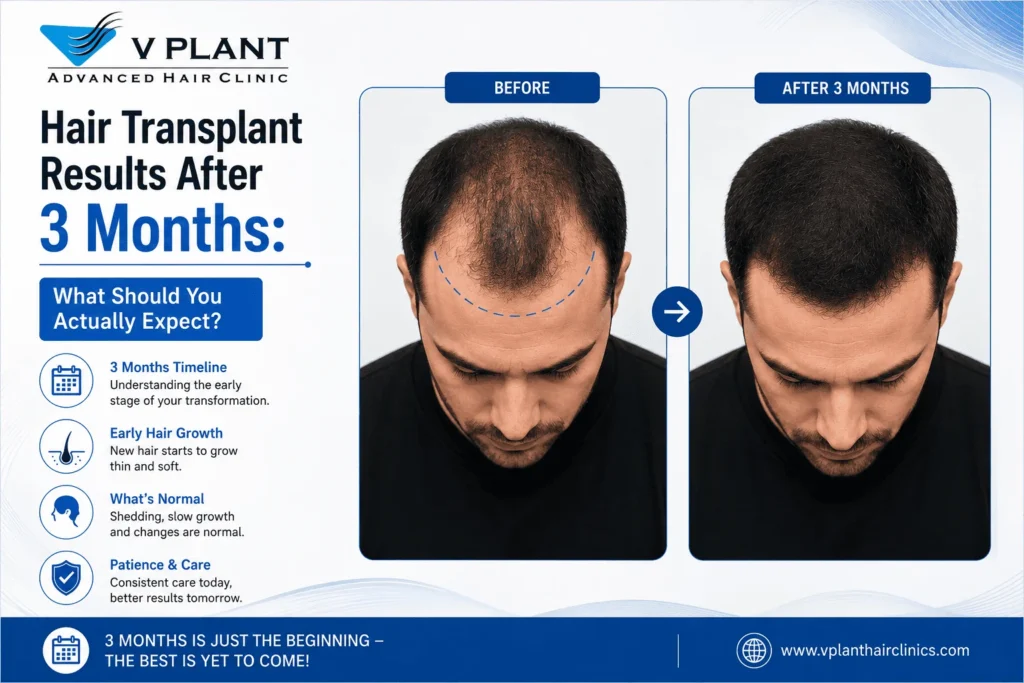
In rare cases where hair loss becomes permanent, some individuals may explore hair restoration options.
These can include different types of hair transplant procedures performed by experienced hair transplant surgeons.
Hair Transplant Options for Long-Term Hair Loss
Although postpartum hair loss usually resolves naturally, advanced hair loss conditions may require surgical solutions.
Modern hair transplant surgeries use advanced techniques to restore hair naturally.
Common types of hair transplant techniques include:
- Follicular Unit Extraction FUE
- Follicular Unit Transplantation FUT
- DHI methods (Direct Hair Implantation)
- MHI methods
In these procedures, healthy hair grafts are taken from the donor area or donor site and implanted into the recipient area where hair thinning occurs.
During the hair transplant procedure, surgeons carefully place transplanted hair so that it blends naturally with existing hair.
Experienced transplant surgeons plan the treatment based on the patient’s hair density, scalp condition, and hair transplant expectations.
Modern FUE hair transplantations and advanced implantation techniques help patients achieve natural results and long-term hair restoration.
Trusted Hair Restoration Care in Mumbai
For women who want expert advice about hair loss or hair thinning, consulting a specialist can be very helpful.
In Mumbai, many patients trust Dr. Amit Agarkar, an experienced hair transplant surgeon known for advanced hair restoration treatments.
He practices at VPlant Hair Clinic, a clinic known for modern hair care solutions for men and women.
The clinic provides:
- Detailed scalp analysis
- Identification of the root type of hair loss
- Personalized treatment for hair loss
- Advanced hair transplant techniques including FUE hair transplantations, MHI & DHI methods, and other types of hair transplant
Patients receive a complete consultation that explains the hair transplant experience, expected recovery time, and realistic hair transplant expectations.
Practical Hair Care Tips for New Moms
Daily hair care habits play an important role in recovery.
Simple tips include:
✔ Use mild sulfate-free shampoos
✔ Avoid excessive brushing
✔ Maintain scalp hygiene
✔ Drink enough water
✔ Eat balanced meals
✔ Be patient with the hair cycle
Healthy habits support natural hair regrowth and stronger hair roots.
Emotional Impact of Postpartum Hair Loss
Hair loss can affect confidence, especially when new mothers are already adjusting to major life changes.
Remember:
- Postpartum hair loss is temporary
- It rarely causes permanent thinning
- Your body is simply returning to balance
Understanding the process and seeking the right solution to hair loss can help restore confidence.
Final Thoughts
Hair fall after pregnancy can feel frustrating, but it is a natural part of the body’s recovery after childbirth. With proper nutrition, gentle hair care, and healthy lifestyle habits, hair regrowth usually happens naturally.
If hair thinning continues for a long time, expert guidance can help identify the right solution for hair loss.
Specialists like Dr. Amit Agarkar at VPlant Hair Clinic provide advanced hair restoration treatments and personalized care.
For new moms who want healthier, fuller hair again, consulting experienced transplant surgeons can be the first step toward long-term confidence and strong hair growth.
Your body has done something extraordinary — bringing a new life into the world. With patience and the right care, your hair will recover too.