




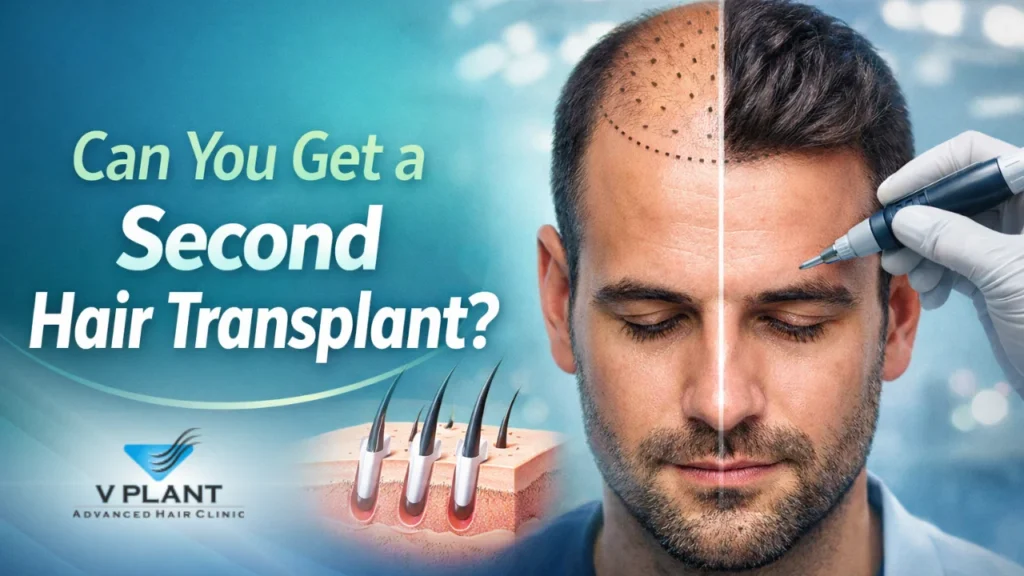
A lot of people ask this question after their first hair transplant, especially if they are still losing hair or want thicker hair. A second hair transplant is often possible and can help cover more hair, shape the hairline, or treat areas that are thinning that show up later. This is especially useful for men and women who are losing hair all the time, getting uneven results, or have bald spots that are easy to see.
It’s important to know when a second procedure is needed, how long to wait, and if your donor area has enough healthy hair follicles before you make a decision. With the right planning, a second procedure can help restore hair in the long term, encourage new hair growth, and boost your confidence. It’s also a good idea to look into hair loss treatments that protect transplanted hair and slow down future thinning. If you know what your options are, you can have realistic expectations for your hair transplant and get hair that looks natural.
Thousands of people have gotten their confidence back and gotten their hair back to looking natural thanks to hair transplant procedures. But what if your hair keeps getting thinner after your first treatment? Or do you want more density?
This makes people ask a lot: Can you get a second hair transplant?
Yes, you can get a second hair transplant. In fact, a lot of people choose to have a second procedure to get better results, more density, or to fix a type of hair loss that isn’t going away, like androgenetic alopecia. But for the procedure to be successful, timing, planning, and picking skilled transplant surgeons are very important.
We’ll explain everything in simple terms in this guide, including when a second transplant is needed, who is eligible, what to expect, and how to get the best results.
Why Would Someone Need a Second Hair Transplant?
A hair transplant is a long-term fix for hair loss, but one procedure doesn’t always mean that it will last for the rest of your life. There are a number of reasons why someone might think about getting a second hair transplant.
1. Hair Loss Continued After the First Procedure
Hair transplant surgeries take healthy hair follicles from the donor site, which is usually the back of the scalp, and put them in areas that are thinning or bald, which are called the recipient area. But your natural hair may still get thinner over time, especially if you have androgenetic alopecia.
This means:
- The hair that was transplanted stays in place
- But the natural hair around it may keep getting thinner
- Leading to uneven density over time
A second transplant helps restore balance, increase density, and encourage new hair growth.
2. Wanting More Thickness
Some people like to take their time when restoring their hair. To get safer, more natural results, hair transplant surgeon teams may suggest two sessions instead of putting too many hair grafts in one session.
Reasons for Staged Procedures:
- Keep the donor area safe
- Make hair grafts more likely to survive
- Make a design for a natural hairline
- Make it easier to plan
A second transplant can make your hair fuller, help it grow back, and make your hair transplant experience better.
3. Covering a Large Bald Area
If you have a lot of hair loss or big bald spots, one session might not be enough. A second transplant helps:
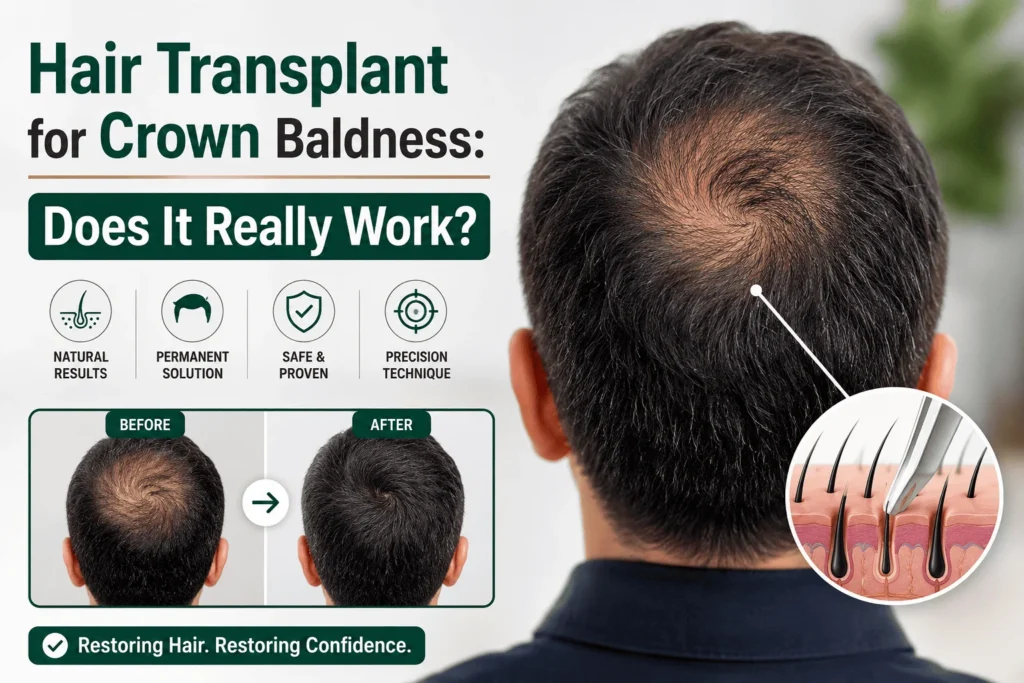
- Fill in the crown area
- Make the density in the middle of the scalp better
- Make hairline stronger
This is very common and perfectly normal, especially for people who lose hair slowly over time.
4. Results From the First Transplant Were Not Good
Patients may not always be happy with:
- Not very dense
- Hairline that isn’t even
- Bad design
- Limited coverage
A second transplant can fix the results of a previous hair transplant and raise your hopes for the next one.
When Is It Okay to Get a Second Hair Transplant?
Timing is very important. Most transplant surgeons say you should wait at least 8 to 12 months before having a second surgery.
Why?
Because:
- It takes time for transplanted hair to grow
- Hair growth happens in stages
- It takes time for the final density to show up
When Hair Transplants Start to Grow
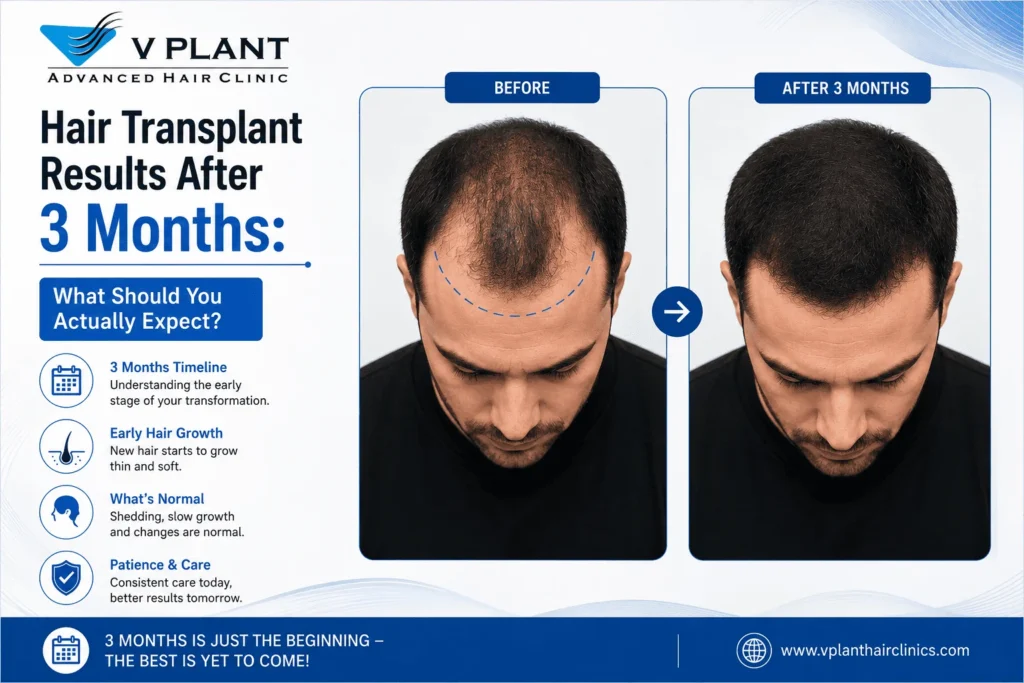
- 1–3 months: Normal shedding phase
- 3 to 6 months: Early growth
- 6 to 9 months: Noticeable progress
- 9 to 12 months: Final results
Your hair transplant surgeon can only properly assess the need for a second transplant after this time.
Who Should Get a Second Hair Transplant?
Not everyone needs to have the procedure done again. A qualified hair transplant surgeon will look at:
Important Things to Think About:
- Availability of donor area
- How thick the hair is
- The progression of hair loss
- Condition of the scalp
- Results of past transplants
- Age and what you expect
A second transplant is usually possible if the donor area has enough healthy hair follicles.
Signs That You Might Need a Second Hair Transplant
If you notice any of the following, a second procedure might help:
- More hair loss
- Low density after the first transplant
- Scalp that can be seen after growth
- The crown area is still getting thinner
- Hairline that isn’t even
- New bald spots are showing up
These signs mean that more hair restoration may help you get better results.
Is It Safe to Get a Second Hair Transplant?
Yes, a second hair transplant is usually safe if it is done by a skilled transplant surgeon.
But careful planning is very important for:
- Keep donor area safe
- Keep your natural look
- Don’t harvest too much
- Make sure the results last a long time
People who want safe and well-planned procedures often think about talking to experts like Dr. Amit Agarkar, who is known for making personalized plans for hair restoration and getting natural-looking results at VPlant Hair Clinic.
How Do You Get a Second Hair Transplant?
The process is like the first transplant. The surgeon who does the hair transplant will:
- Look at the donor area
- Make a plan for treatment
- Get rid of healthy hair follicles
- Make the area for the recipient
- Carefully put in hair grafts
More Advanced Methods for Hair Transplants Include:
- Follicular Unit Extraction (FUE)
- Follicular Unit Transplantation (FUT)
- FUE hair transplants
- MHI or DHI methods
The goal is always to have natural density and long-term success.
Is the Donor Area Big Enough?
This is one of the biggest worries.
The Good News Is:
- Most people have enough hair from donors for more than one hair transplant
- Good planning keeps the donor area safe
- Skilled transplant surgeons make good use of the donor area
This is why it is so important to talk to a professional.
Clinics like VPlant Hair Clinic focus on evaluating the donor area and making long-term plans to make sure that hair loss is not permanent.
After a Second Hair Transplant, What to Expect
After a second transplant, the recovery process is usually the same as the first.
Timeline for Recovery
- 1–3 days: A little swelling or redness
- 7–10 days: The scabs come off
- 2–4 weeks: The phase of shedding
- 3 to 6 months: New hair starts to grow
- 9 to 12 months: Full results
Most people go back to work in 3 to 5 days.
Advice for Getting Better Results from Your Second Transplant
To get the best results:
Follow These Steps
- Pick a hair transplant surgeon with a lot of experience
- Do what the doctor says after the procedure
- Don’t smoke
- Eat a healthy diet
- Take the medicines that your doctor tells you to
- Don’t do heavy exercise right away
Aftercare that is done well helps hair grow back and grafts live longer.
Is It Possible to Avoid a Second Hair Transplant?
Yes, sometimes.
Doctors might suggest:
- PRP treatment
- Medicines that help hair grow
- Changes in your way of life
- Help with nutrition
These treatments help keep hair thick and slow down hair loss. They are a way to stop hair loss.
But if hair loss keeps happening, a second transplant might still be the best thing to do.
Common Misconceptions About Second Hair Transplants
Myth 1: You Can Only Get One Hair Transplant
Truth: There are many different kinds of hair transplant procedures that can be done.
Myth 2: A Second Transplant Doesn’t Look Natural
Truth: When done right, the results look very natural.
Myth 3: The Area Where the Donor Is Hurt
Truth: Skilled transplant surgeons take great care of the donor site.
Advantages of Getting a Second Hair Transplant
A second transplant can:
- Make things thicker
- Make hairline better
- Cover the crown area
- Fix the results from before
- Make people feel more sure of themselves
A lot of patients say that their second hair transplant experience finishes the job.
Why Planning With Experts Is Important
Hair transplant is more than just a procedure; it’s a plan for restoring hair over time.
A skilled hair transplant surgeon will:
- Look at the pattern of hair loss
- Keep the donor area safe
- Make plans for the future
- Get results that are natural
This is why a lot of people go to well-known specialists like Dr. Amit Agarkar at VPlant Hair Clinic in Mumbai for personalized help and long-term results.
Final Thoughts: Should You Get a Second Hair Transplant?
Yes, you can definitely get a second hair transplant. For many people, it’s the best way to get thicker hair and stop hair loss.
A second hair transplant can give you great results if you plan it well. It can help you get more density, fix your hairline, or stop your hair from thinning.
If you’re thinking about getting a second hair transplant, the best thing to do is talk to a skilled hair transplant surgeon who can look at your donor area, hair follicles, and what you want.
Are You Ready to Move On?
If you want to get a second hair transplant or make the results of your first one better, you might want to make an appointment with Dr. Amit Agarkar at VPlant Hair Clinic in Mumbai. You can get closer to having fuller, more natural-looking hair with newer hair transplant methods like:
- Follicular Unit Extraction (FUE)
- Follicular Unit Transplantation (FUT)
- MHI method
- DHI method
Because sometimes, the second step is what finishes your hair restoration journey.