



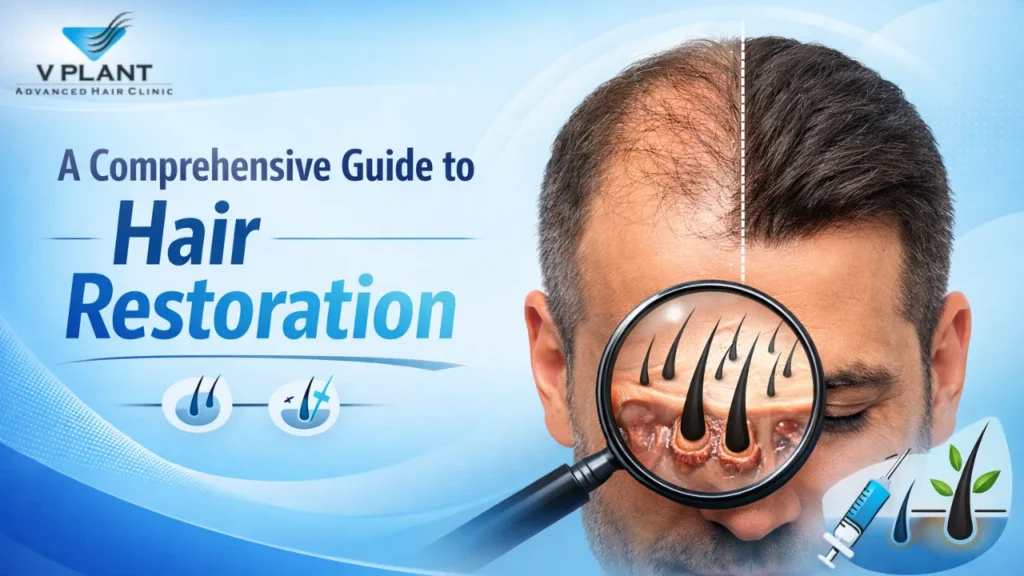
Hair Transplant Procedure: A Complete Guide to Hair Restoration explains how contemporary hair restoration procedures can restore natural new hair growth in bald or thinning hair-affected areas. Men and women looking for a dependable hair loss solution who are experiencing hair loss, a receding hairline, or noticeable bald spots will find this guide helpful.
It describes the process of a hair transplant, including how healthy hair follicle units are removed from the donor site or area and carefully inserted into the recipient area, which is a thinning area. This procedure uses carefully positioned hair grafts to restore hair density and produce a natural hairline.
The most popular hair transplant procedures and contemporary hair transplant techniques, including follicular unit extraction (FUE), follicular unit transplantation (FUT), FUE hair transplantations, and sophisticated techniques like MHI & DHI methods, will also be covered. These methods offer a long-term remedy for hair thinning while promoting natural hair growth.
People feel more comfortable beginning their hair transplant experience when they are aware of the procedure, recuperation, and expectations. This guide provides useful information about safe and efficient hair loss treatments, regardless of the cause of hair loss—genetics, stress, or lifestyle choices.
Our perception of ourselves is significantly influenced by our hair. People who have thick, healthy hair frequently feel more confident and at ease in social and professional settings. However, bald patches, receding hairlines, and thinning hair are prevalent issues that both men and women now face.
A hair transplant procedure might be the solution if you are experiencing hair loss and want a long-term solution. One of the most dependable methods for restoring hair that looks natural is modern hair transplant surgery.
Everything you need to know about the hair transplant process is covered in this guide, including causes of hair loss, symptoms, available treatments, and what to anticipate from the entire procedure.
Comprehending Hair Loss
It’s useful to know why people lose hair before looking into hair transplant procedures.
Hair follicles are tiny structures found beneath the skin that produce hair. Every hair follicle experiences phases of growth, rest, and shedding during its growth cycle. Hair may thin out or fall out when these cycles are disturbed or the follicles gradually shrink.
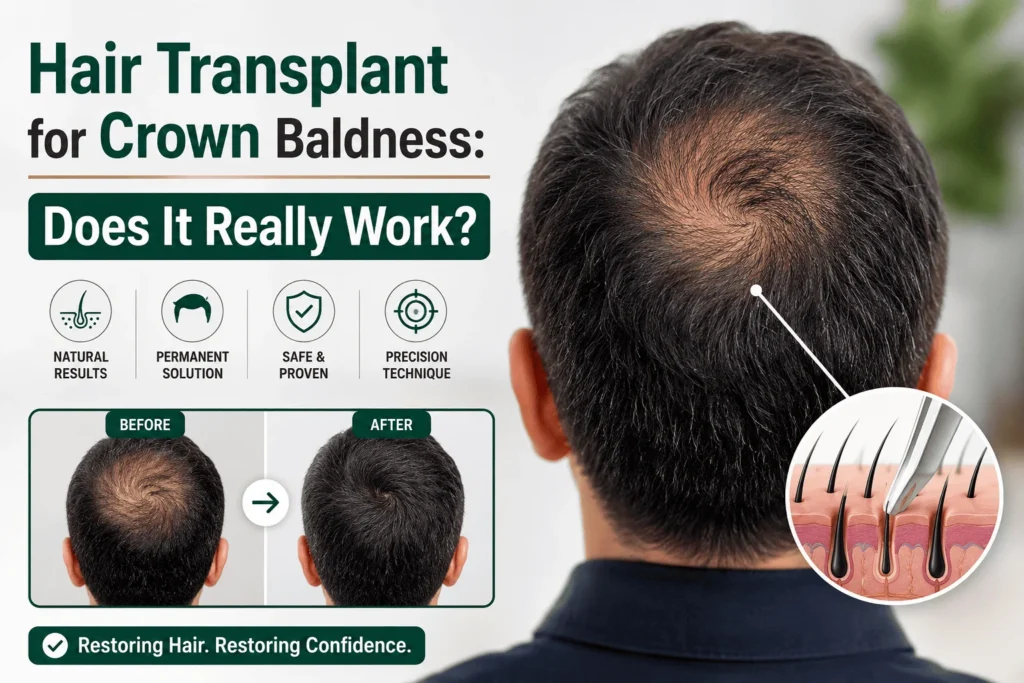
Male or female pattern baldness, also known as androgenetic alopecia, is one of the most prevalent forms of hair loss. This genetic disorder frequently results in noticeable bald spots and gradually decreases hair density.
People at different stages of life may experience different types of hair loss, and the first step in finding the best treatment for hair loss is figuring out the cause.
Typical Reasons for Hair Loss
Hair thinning or hair loss can be caused by a number of factors. Experts can suggest the best course of action for hair loss by determining the cause.
1. Hereditary Hair Loss
Hereditary pattern baldness, also referred to as androgenetic alopecia, is the most frequent cause of hair loss. Millions of men and women worldwide suffer from this illness.
2. Modifications in Hormones
Temporary hair loss may result from hormonal changes brought on by pregnancy, menopause, thyroid conditions, or medical treatments.
3. Lifestyle and Stress Factors
The hair follicle can be weakened and hair growth slowed by high levels of stress, sleep deprivation, poor diet, and unhealthy habits.
4. Health Issues
Hair loss can be either temporary or permanent due to damage to the hair follicles caused by certain diseases, drugs, or infections of the scalp.
5. Inadequate Nutrition
Hair strength and new hair growth can be impacted by low levels of iron, protein, vitamins, or minerals.
Bald spots or thinning patches may appear if hair thinning persists for months or years.
Signs That Could Point to Issues with Hair Loss
Many people disregard the early warning signs of hair loss because it frequently develops slowly. Early detection of these signs aids in the search for the best hair loss remedy.
Typical signs and symptoms include:
- The receding hairline
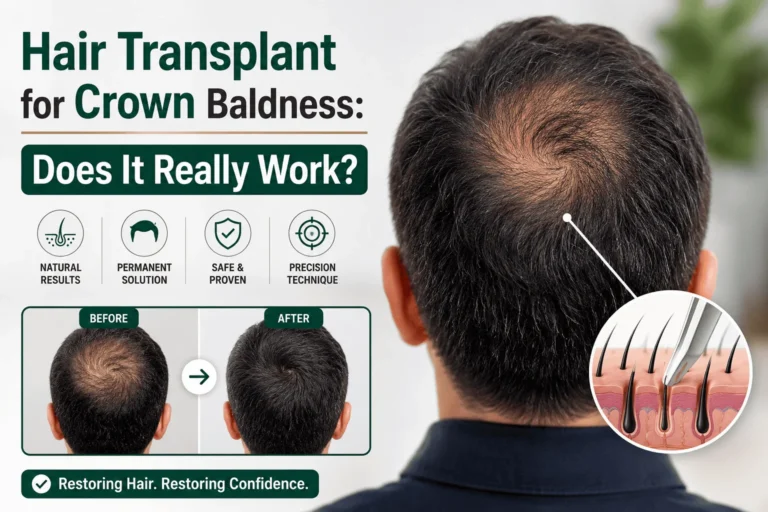
- The crown’s hair is getting thinner
- The scalp is visible through the hair
- Bald spots in patches
- Too much hair in the shower or on pillows
- Diminished volume or density of hair
A consultation with a hair specialist or hair transplant surgeon can help determine the type of hair loss and suggest the best course of action if these symptoms persist.
A Hair Transplant: What Is It?
A medical procedure called a hair transplant is used to replenish hair in bald or thinning areas.
Healthy hair follicle units are removed from the donor area—typically the sides or back of the scalp—during this hair transplant procedure. The hair at this donor site is genetically resistant to hair loss, which is why it was selected.
After that, the follicles are transplanted into the recipient area, where the hair has either vanished or thinned. The hair grafts are carefully placed by skilled transplant surgeons so that the transplanted hair grows in the same direction as natural hair.
Hair transplantation is one of the best long-term treatments for hair loss because these follicles continue to grow new hair after being transplanted.
Different Hair Transplant Methods
Modern hair restoration techniques make use of cutting-edge equipment and technology. There are now many different kinds of hair transplant methods.
1. Extraction of Follicular Units (FUE)
One of the most popular methods of hair transplantation is follicular unit extraction (FUE).
This method uses microsurgical instruments to carefully remove individual hair follicle units from the donor site. After that, the recipient area is implanted with these follicles.
FUE hair transplants have the following advantages:
- Very little scarring
- Quicker recovery
- Transplanted hair that looks natural
- A brief recuperation time
FUE hair transplants are a common option for individuals with pattern hair loss due to these advantages.
2. Transplantation of Follicular Units (FUT)
Another well-respected hair transplant technique is follicular unit transplantation (FUT).
This method involves removing a thin strip of scalp from the donor area. After that, the strip is divided into separate hair grafts by specialists, which are then inserted into the recipient area.
Benefits of transplanting follicular units FUT consist of:
- The capacity to transplant more hair grafts
- A successful remedy for severe baldness
- Dependable long-term outcomes
When carried out by skilled hair transplant surgeons, follicular unit extraction (FUE) and transplantation (FUT) are both safe procedures.
3. MHI and DHI Techniques
Advanced techniques like MHI and DHI methods are also available in modern clinics.
Using specialized equipment, DHI (Direct Hair Implantation) enables professionals to implant hair follicles directly into the scalp. This method enhances control and accuracy.
MHI techniques are sophisticated implantation strategies intended to boost natural hair density and graft survival.
These contemporary hair transplant methods promote better hair regrowth and natural outcomes.
Who Can Benefit from Hair Transplant Surgery?
A hair transplant is not necessary for everyone who is losing hair. Nonetheless, the process is best for those who:
- Maintain consistent patterns of hair loss
- Have enough hair and a healthy donor area
- Have androgenetic alopecia
- Desire long-term hair restoration
- Have reasonable expectations for hair transplants
Determining whether a hair transplant is the best course of action for hair loss requires consultation with a qualified hair transplant surgeon.
Detailed Guide to Hair Transplantation
For the simple reason that they are unfamiliar with the procedure, many people experience anxiety before surgery. The hair transplant procedure is made easier by being aware of every step.
1. First Consultation
The hair transplant surgeon assesses the strength of the donor area, the type of hair loss, and the state of the scalp during the initial visit.
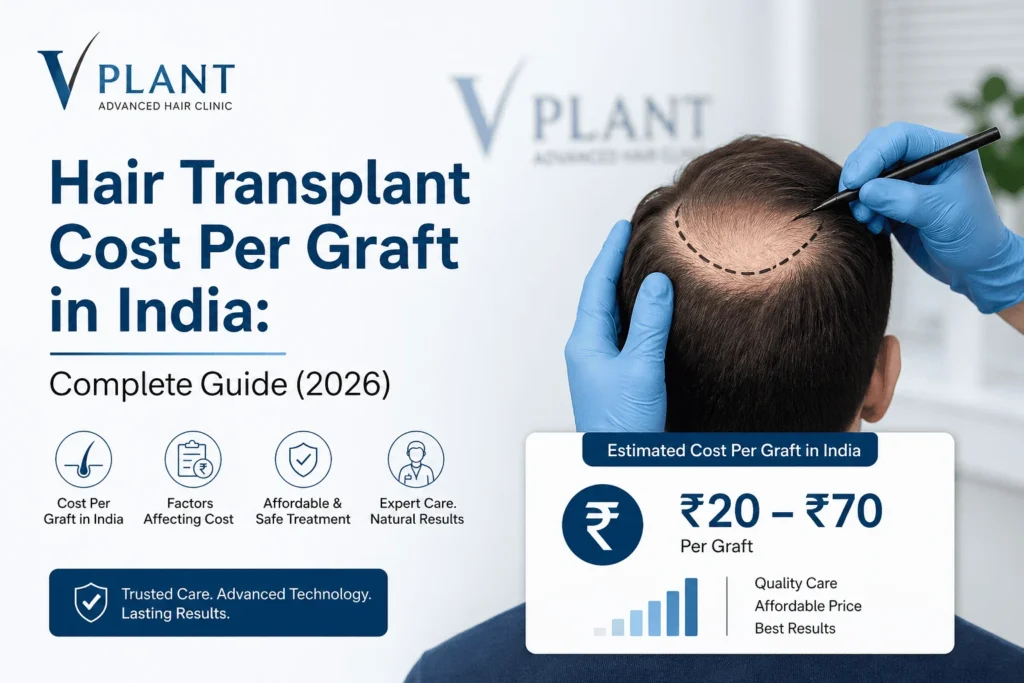
The surgeon plans the new hairline after examining the donor site.
2. Getting Ready for Surgery
To ensure the patient is comfortable throughout the hair transplant procedure, the scalp is cleaned and local anesthetic is administered on the day of the procedure.
3. Extraction of Hair Follicles
Follicular unit extraction (FUE) and follicular unit transplantation (FUT) are two methods used to remove hair follicles from the donor area.
4. Establishing the Recipient Space
To ensure precise placement of the hair grafts, tiny channels are made in the recipient area.
5. Implantation
To guarantee natural hair density and direction, each hair follicle is carefully implanted. The final transplanted hair’s natural appearance is determined at this stage.
Depending on how many hair grafts are needed, the entire hair transplant process could take several hours.
Recuperation Following Hair Transplant Procedure
Following hair transplant procedures, recovery is typically uneventful.
After a few days, most people resume their regular routines.
Typical transient consequences consist of:
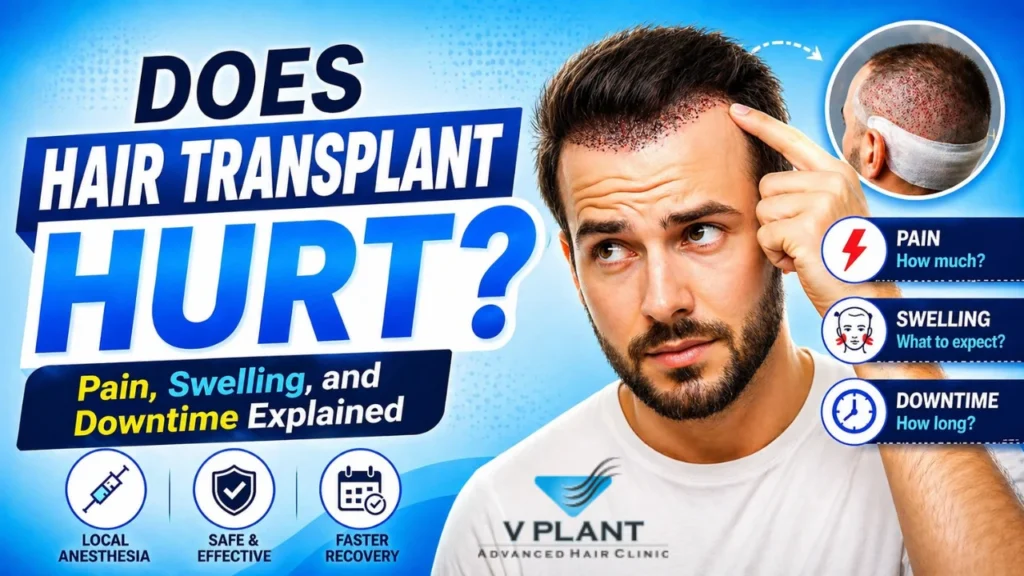
- Moderate edema
- The area surrounding the recipient is red
- Tiny scabs surrounding hair grafts that have been inserted
- Transplanted hair may temporarily shed
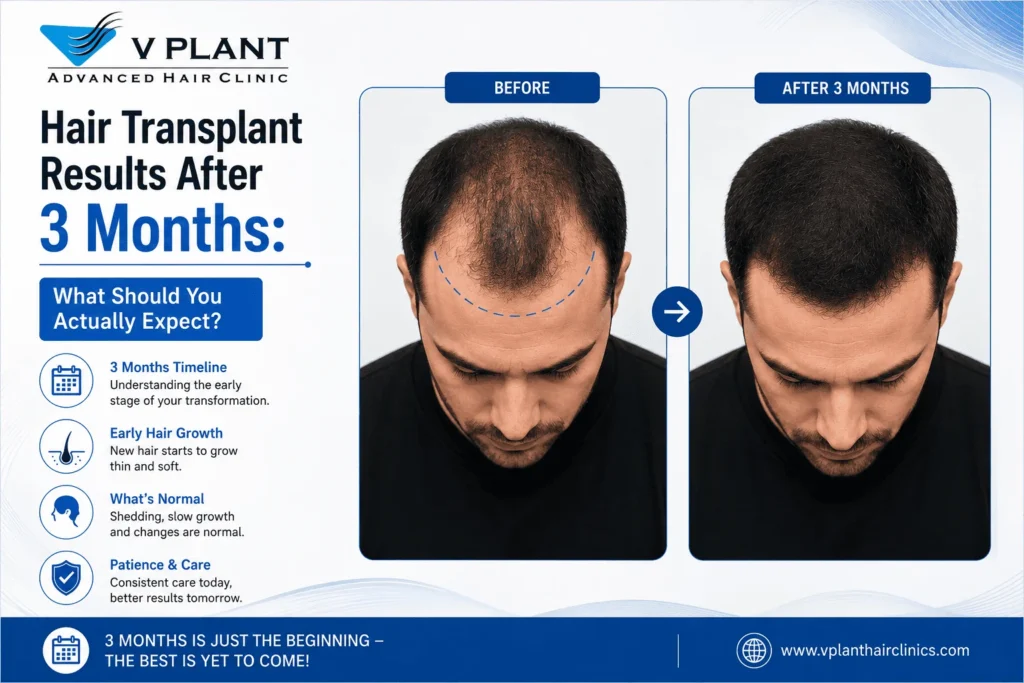
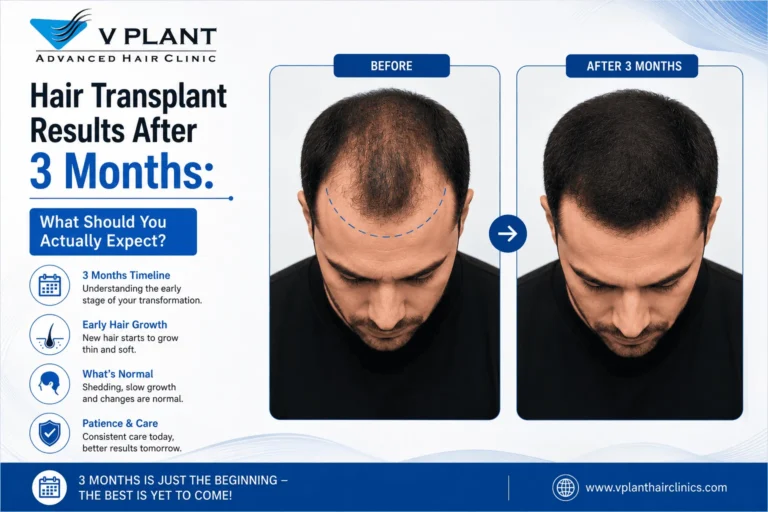
This stage of shedding is typical. After a few months, new hair starts to grow.
Three to four months following the procedure, noticeable new hair growth typically begins. Usually, full hair regrowth takes ten to twelve months to manifest.
Useful Advice to Enhance Hair Transplant Outcomes
Proper aftercare promotes long-term hair regrowth and enhances the results of hair transplants.
Some useful advice is as follows:
- Adhere to your hair transplant surgeon’s instructions
- Steer clear of scratching your scalp
- Consume a well-balanced diet high in vitamins and protein
- Lower your stress levels
- Make use of suggested hair care products
- Refrain from drinking or smoking while recovering
Healthy behaviors promote better new hair growth and strengthen the hair follicles.
Treatments for Hair Loss Without Surgery
Surgery is not necessary for all forms of hair loss. Non-surgical hair loss treatments are beneficial for certain individuals, including:
- PRP treatment
- Hair loss medications
- Nutritional supplements
- Treatments for the scalp
These therapies may increase hair density and reduce hair loss. However, hair transplant procedures are frequently the best option for treating advanced hair thinning or permanent baldness.
Selecting the Best Hair Transplant Facility
Precision, expertise, and creative planning are necessary for hair transplantation. Achieving natural results requires selecting the best clinic and qualified hair transplant surgeon.
Many patients trust Dr. Amit Agarkar, a skilled hair transplant surgeon at VPlant Hair Clinic in Mumbai, if they are thinking about getting their hair restored.
The clinic provides cutting-edge hair transplant procedures, such as follicular unit transplantation (FUT), FUE hair transplants, and contemporary MHI & DHI techniques. Before recommending the best course of action, skilled transplant surgeons carefully assess the donor area, recipient area, and individual hair goals.
Long-term outcomes, confidence boosts, and the restoration of natural hair are all possible with a well-planned hair transplant procedure.
Concluding Remarks
Although hair loss can be upsetting, there are now practical ways to stop it. A safe and dependable method for achieving long-lasting hair regrowth and restoring natural hair density is through modern hair transplant procedures.
Early consultation with a skilled hair transplant surgeon can help determine the optimal treatment for hair loss, regardless of whether a person is experiencing thinning hair, a receding hairline, or obvious bald spots.
Consulting experts like Dr. Amit Agarkar at VPlant Hair Clinic, Mumbai, can help you understand the various hair transplant techniques and begin your hair transplant experience with confidence if you’re searching for reliable hair restoration.
Taking the first step toward treatment may begin a journey toward healthier hair, restored self-esteem, and long-lasting new hair growth.