



Is your hairline changing? People often wonder if these are early signs of balding when they notice small changes in their hairline, like thinning at the temples, more hair on the pillow, or a wider part. At first, it’s easy to ignore these changes because they happen slowly. But knowing these early signs can help people tell when normal hair loss is actually becoming early hair loss.
This subject is especially useful for people who are worried about their hairline getting thinner, their hair thinning for no reason, or the feeling that they might slowly lose hair. Finding these warning signs early can make a big difference because it gives people time to look into the best way to treat hair loss.
Being aware of hair loss early on can help protect your hair, keep your hair follicles healthy, and make your scalp healthier. It also helps people figure out what kind of hair loss they might be having and how to best deal with it. In short, spotting these signs early gives both men and women the chance to take charge of their hair health and look into ways to help their hair grow back and care for it in the long run.
How to Understand Changes in Your Hairline
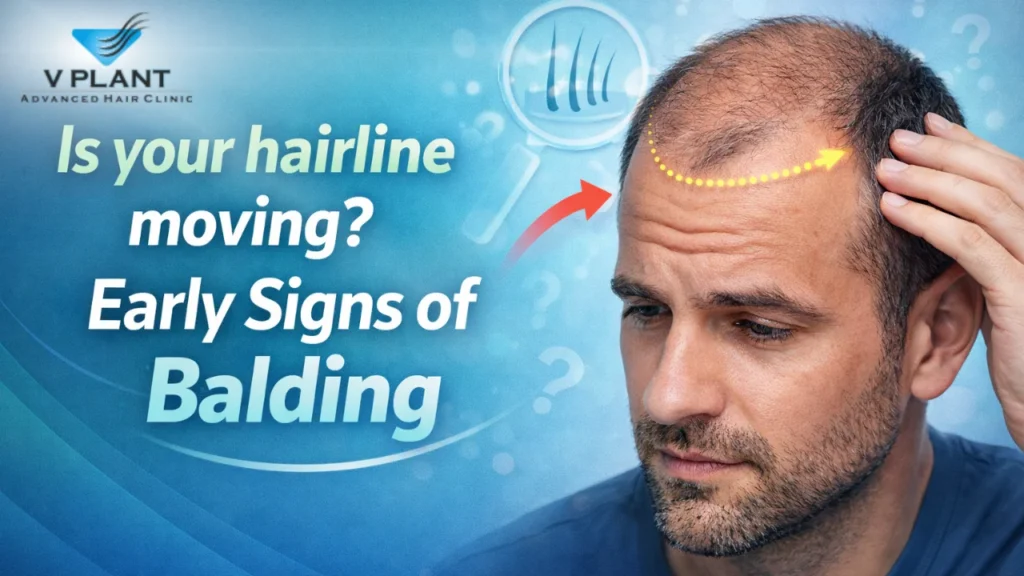
As people get older, their hairline naturally moves a little. It’s normal for things to change a little over time. But if the hairline starts to go back or the hair gets thinner, it could mean that hair loss is starting.
For a lot of people, the first noticeable change happens around the temples or the front hairline. The hairline may change shape over time, forming a “M” shape or looking less dense. These changes can eventually cause bald spots to show up if the condition keeps getting worse.
Changes to the hairline can happen to both men and women, but the pattern may be different. Androgenetic Alopecia, a hereditary condition that slowly weakens the hair follicle, is one of the most common causes.
It’s important to notice these changes early because once hair follicles stop making hair, it can be hard to start new hair growth again without professional hair restoration treatments.
Don’t Ignore These Early Signs of Balding
Hair loss doesn’t happen all at once very often. Instead, it usually grows slowly and has a lot of clear signs.
1. Hairline that is going back
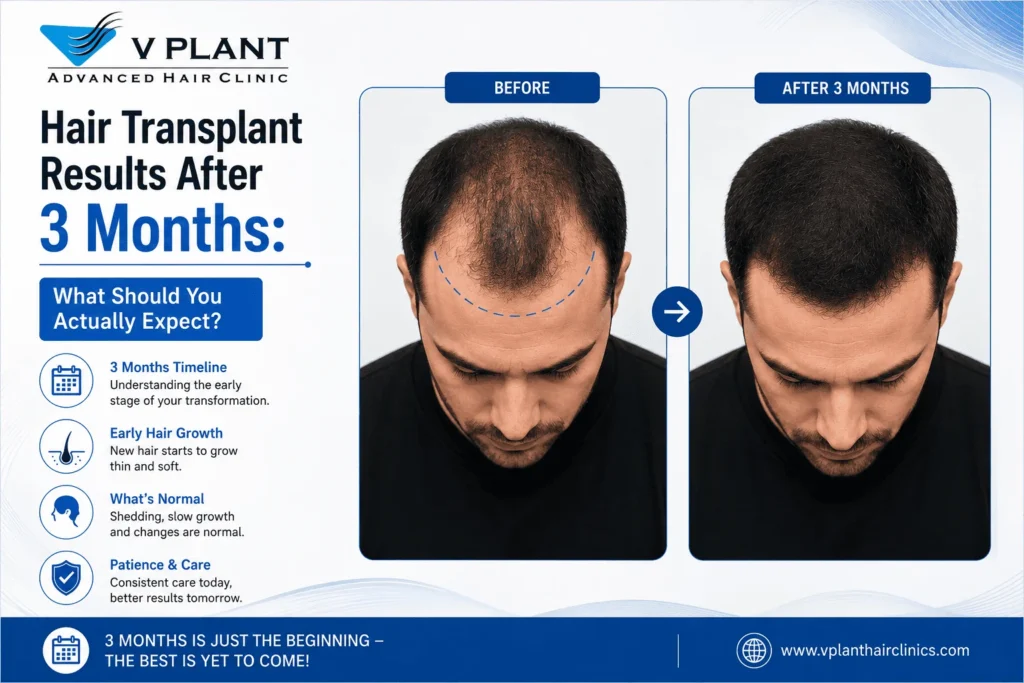
One of the first signs of balding is a hairline that is getting thinner, especially near the temples.
You might see:
Your forehead looks bigger.
The edges of your hairline start to move back
Hairstyles that used to cover your forehead don’t look the same anymore.
This slow change could be the start of a common type of hair loss that runs in families.
2. Hair Loss at the Crown
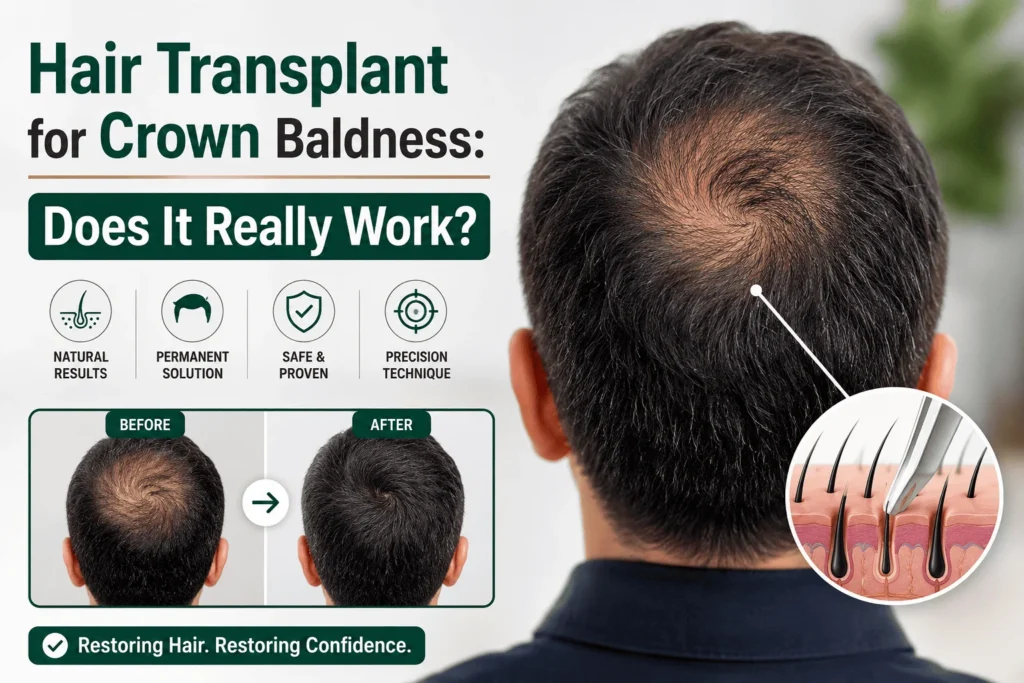
Thinning at the crown, which is the top part of the head, is another early sign.
You might see:
A hair part that is getting wider
More visible scalp
A little patch of hair loss is forming at the back of the head.
A lot of people only notice their crown is getting thinner when they see pictures of it or when someone else tells them.3. Too much hair loss
It’s normal to lose 50 to 100 hairs every day. But if you see a lot of hair on your pillow, shower drain, or comb, it could mean that you are losing hair.
Some common signs are:
Hair falling out while washing
Extra hair getting stuck in your brush
Hair falling out even when you comb it gently
Frequent hair loss can make hair less dense and may even cause bald spots.
4. Hair is getting thinner and weaker
Before hair starts to look thinner, it often gets weaker and finer.
You might see:
The strands of hair feel thinner.
Hair breaks more easily
Your ponytail doesn’t feel as thick as it did before.
This happens because hair follicles that are getting smaller start making weaker strands.
5. Hair growth is slower
Slower hair growth is another early sign of hair loss. If you used to have hair that grew quickly, it may now take longer to grow back after a haircut. Some areas may also grow more slowly than others, which makes the density uneven.
Reasons Why People Go Bald Early
There are many reasons why hair loss can happen. In most cases, a number of things work together.
Hair Loss Due to Genetics
Androgenetic Alopecia, or genetic hair loss, is the most common cause.
This condition usually causes:
Hairline that is getting smaller
Thinning of the crown
Slowly losing hair density
Your genes decide how sensitive your hair follicles are to hormones that slowly make them smaller.
Changes in hormones
Hormonal imbalances can also make hair fall out. This can happen because of getting older, having thyroid problems, being pregnant, or going through menopause.
Changes in hormones can mess up the normal cycle of hair growth and make it fall out more.
Stress and Lifestyle Factors
Telogen Effluvium is a short-term condition that can happen when stress levels are high.
Some common triggers are:
Stress from emotions
A serious illness
Quick weight loss
Not getting enough sleep
Even though this condition may get better over time, long-term stress can make hair loss worse.
Not eating enough healthy foods
To stay strong, hair needs the right nutrients. Not getting enough protein, iron, zinc, vitamin D, or biotin can make hair weaker and slow down hair growth.
Too much styling and damage from chemicals
Using heat styling tools, chemicals, or tight hairstyles on your hair a lot can make the roots weaker and break them.
Taking care of your hair gently can help stop more damage and hair loss.
Why it’s important to get treatment early
Timing is important when it comes to hair loss.
Hair follicles go through a cycle of growing, resting, and shedding. Follicles may stop making hair altogether if hair loss goes on for a long time.
Starting treatment early can:
Keep the hair you already have
Make weak hair follicles stronger
Make hair thicker
Slow down the hairline’s recession.
The sooner you start a hair loss treatment, the more likely it is that you will be able to keep your natural hair for a long time.
Things You Can Do to Treat Early Hair Loss
There are many modern hair restoration treatments available, depending on how bad the hair loss is and what kind it is.
Treatments for hair loss in medicine
Doctors might suggest:
Medications for the skin
Drugs that you take by mouth
Serums for hair growth
Supplements for nutrition
These treatments make the hair follicle work harder and help hair grow back healthier.
PRP Therapy for Growing Hair
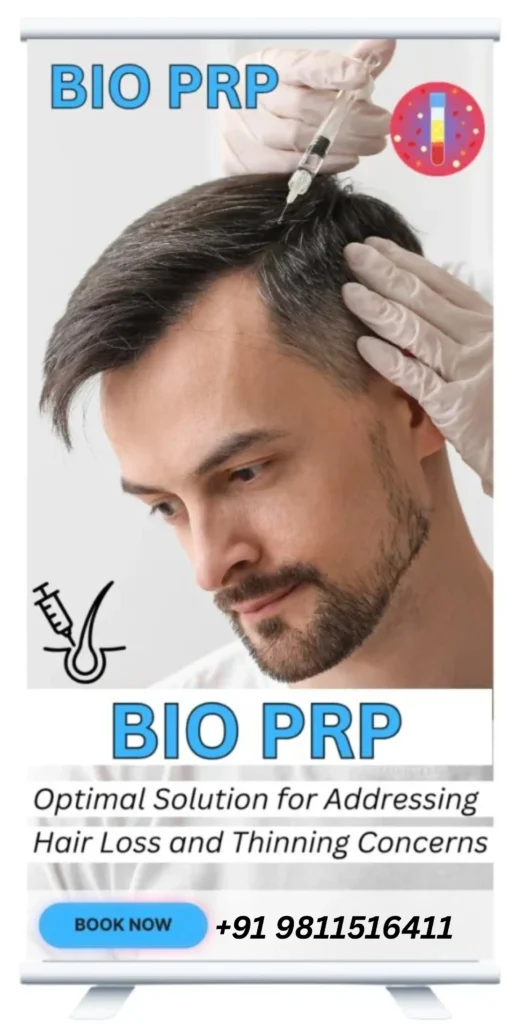
PRP (Platelet-Rich Plasma) therapy is a way to get new hair to grow without having to have surgery.
The steps are as follows:
Taking a small amount of blood
Processing it to separate the growth factors
Putting these growth factors into the scalp
PRP wakes up hair follicles that are sleeping and makes hair thicker.
Hair Transplant for Severe Hair Loss
A hair transplant can help with hair loss when it gets worse.
During hair transplant surgeries, healthy hair follicles are taken from the donor area, which is usually at the back of the head. The donor site is the name of this area. After that, the follicles are put into the area that is thinning or bald.
The follicles are put in as small hair grafts so that the transplanted hair can grow in its new home.
There are many different kinds of hair transplant procedures, such as:
FUE stands for Follicular Unit Extraction.
Follicular Unit Transplantation (FUT)
FUE hair transplants that use modern extraction tools
Direct Hair Implantation (DHI) and Modified Hair Implantation (MHI) are two new ways to do hair transplants.
These more advanced hair transplant methods help make hairlines that look natural and encourage hair to grow back over time.
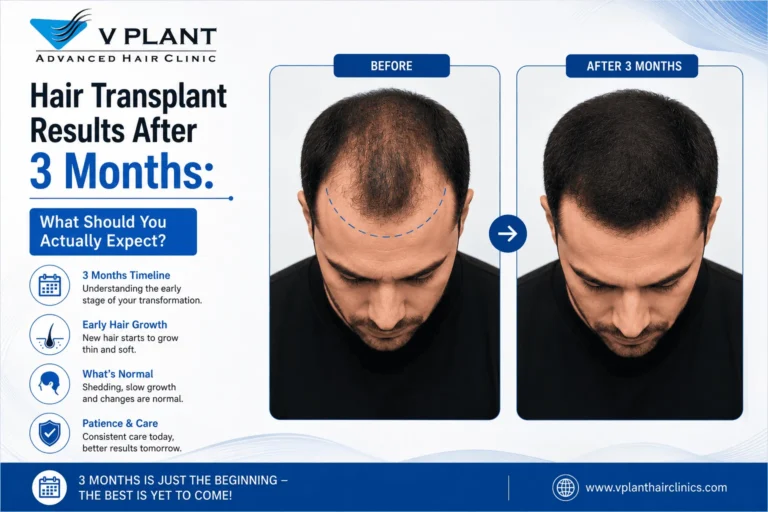
People who are thinking about getting a hair transplant often look up what they can expect from the procedure and what their hair transplant expectations should be. The results can look natural and last for a long time if done by skilled hair transplant surgeons.
A lot of people choose to see experienced doctors like Dr. Amit Agarkar at VPlant Hair Clinic. The clinic focuses on hair restoration treatments that are tailored to each patient’s hair type, hairline pattern, and goals.
Useful Advice for Keeping Your Hairline Safe
Daily habits are just as important as professional treatments for keeping hair healthy.
Keep Your Diet Balanced
Add foods that are high in:
Protein
Iron
Fatty acids omega-3
Vitamins
Eating well helps keep hair follicles healthy and makes hair grow stronger.
Cut Down on Heat Styling
Using hair dryers, straighteners, or curling irons a lot can make hair strands weaker. Limiting the use of heat styling tools helps keep hair strong.
Take care of stress
Good sleep, exercise, and meditation can help you deal with stress and stop hair loss caused by stress.
Pick Hair Products That Are Gentle
Use gentle shampoos and conditioners that are right for your hair type. Stay away from harsh chemicals that could hurt your hair.
Get Professional Help Early
If you notice that your hair is falling out all the time or that your hairline is getting thinner, seeing a hair specialist can help you figure out what kind of hair loss you have and what the best way to fix it is.
When is it time to see a hair expert?
If you see any of the following, you should think about getting professional help:
Hair thinning quickly
Patches on the scalp that can be seen
A hairline that is going back quickly
Too much hair loss that lasts for months
Finding the cause of hair loss and the best treatment for it is easier with an early diagnosis.
VPlant Hair Clinic and other hair restoration clinics offer advanced diagnosis and treatment plans that are tailored to each patient.
Patients can look into options for hair restoration, from medical treatments to advanced hair transplant surgeries, with the help of experienced hair transplant surgeons like Dr. Amit Agarkar.
Last Thoughts
Changes in your hairline can be scary, but early balding is normal and can be dealt with.
Recognizing the early warning signs—such as a receding hairline, thinning crown, increased hair fall, or weaker hair strands—allows people to take action before hair loss progresses further.
Many people can slow down or even stop early hair thinning if they take care of their hair, live a healthy lifestyle, and find the right solution for hair loss.
If you’re worried about changes in your hairline, talking to the experts at VPlant Hair Clinic can help you learn about the treatments that are available and set realistic expectations for your hair transplant.
Taking action now can help your hair stay healthy and grow back naturally over time.