




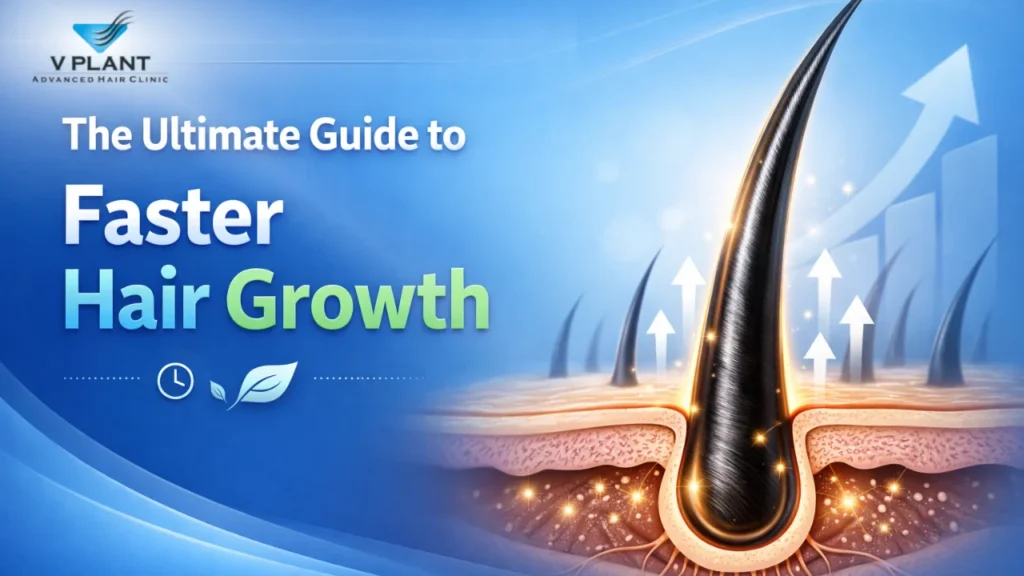
The Ultimate Guide to Faster Hair Growth: Secrets You Need to Know is a practical and easy-to-understand resource for anyone dealing with slow hair growth, thinning hair, or constant hair fall. Many men and women today worry when they start to lose hair, notice thinning areas, or develop visible bald spots. This guide explains how healthy hair grows, what affects the hair follicle, and what simple steps can support stronger and faster hair regrowth.
From maintaining proper scalp care and balanced nutrition to choosing the right treatment for hair loss, this guide highlights solutions that truly work. It also introduces modern hair restoration options such as advanced hair transplant procedures, which are often recommended by experienced hair transplant surgeons for people with significant hair thinning.
The goal of this guide is simple: to help you understand the real causes of hair fall and discover the most effective solution for hair loss. Whether your concern is mild hair thinning or advanced androgenetic alopecia, learning the science behind hair growth can help you find the right solution to hair loss and encourage healthy new hair growth over time.
Healthy, thick, and shiny hair is something almost everyone hopes to achieve. However, modern lifestyles, stress, pollution, hormonal changes, and poor hair care habits often disrupt the hair growth cycle. As a result, many people experience slow growth, hair thinning, or hair fall. If you’ve been searching for ways to grow your hair faster and naturally, you are not alone.
Hair growth is not only about using the right shampoo or oil. It depends on proper nutrition, scalp health, lifestyle habits, and choosing the right treatment for hair loss when necessary. In some cases, people may also explore advanced types of hair transplant procedures as a long term solution when hair loss becomes severe.
Understanding how hair grows allows you to make better choices that support stronger hair follicles and long-lasting hair regrowth.
Understanding How Hair Growth Works
Before learning how to grow hair faster, it is important to understand how hair grows naturally. Each strand of hair develops from a tiny hair follicle located in the scalp. These follicles determine the thickness, strength, and growth rate of your hair.
On average, hair grows around 1 to 1.5 cm per month. However, this rate can vary depending on genetics, health, and scalp condition.
Hair growth follows three main stages:
Anagen Phase (Growth Phase)
This is the active growth stage where the hair follicle produces hair continuously for several years. Healthy follicles during this phase support consistent new hair growth.
Catagen Phase (Transition Phase)
During this short stage, the follicle shrinks and hair growth slows down.
Telogen Phase (Resting Phase)
In this phase, hair eventually sheds, and the follicle prepares to produce new strands.
When this cycle gets disrupted, people may start noticing thinning areas, visible bald spots, or a reduction in hair density. Identifying the type of hair loss early is important for choosing the right treatment for hair loss.
Common Reasons for Slow Hair Growth
Several factors can slow hair growth or cause excessive hair fall. Understanding these causes can help you choose the best solution for hair loss.
1. Nutritional Deficiencies
Hair follicles require nutrients like protein, iron, zinc, and vitamins to grow strong hair. Poor nutrition weakens the follicle and slows hair regrowth.
2. Stress and Lifestyle
High stress can disturb the hair growth cycle and push follicles into the resting phase. This often leads to noticeable hair shedding.
3. Hormonal Imbalance
Hormonal changes are a major cause of hair thinning. A common condition called androgenetic alopecia affects both men and women, gradually causing thinning hair or a receding hairline.
4. Excessive Heat and Chemical Styling
Frequent use of straighteners, dryers, hair coloring, and chemical treatments can damage hair shafts and weaken follicles.
5. Poor Scalp Health
A healthy scalp allows follicles to function properly. Issues like dandruff, inflammation, or clogged follicles can reduce new hair growth.
Proven Secrets for Faster Hair Growth
If you want thicker and healthier hair, consistent care is key. Simple habits can strengthen hair roots and encourage natural hair regrowth.
1. Maintain a Healthy Diet for Hair Growth
Your hair reflects your overall health. A balanced diet plays an important role in natural hair restoration.
Include foods rich in:
- Protein – Eggs, fish, lentils, and dairy strengthen the hair follicle.
- Iron – Spinach, beetroot, and red meat improve blood circulation to the scalp.
- Biotin – Nuts, seeds, and bananas support stronger hair strands.
- Omega-3 Fatty Acids – Found in walnuts and flaxseeds, these nourish the scalp.
Proper nutrition not only improves natural hair growth but also supports the success of transplanted hair in people who undergo hair transplant surgeries.
2. Use the Right Hair Oil
Regular scalp massage with the best hair oil for men hair growth or best hair oil for women hair growth improves scalp circulation and strengthens roots.
Benefits of oiling include:
- Improved blood flow to the scalp
- Stronger hair roots
- Reduced dryness and breakage
- Better support for natural hair regrowth
Natural oils such as coconut oil, almond oil, and castor oil are widely used as a home remedy for hair fall.
3. Follow a Gentle Hair Care Routine
Harsh hair care practices can damage follicles and slow hair growth. A simple routine can protect your scalp and prevent further hair loss.
Healthy habits include:
- Using a mild sulfate-free shampoo
- Avoiding very hot water
- Limiting heat styling tools
- Using a wide-tooth comb
- Trimming hair regularly to remove split ends
These small changes support healthier follicles and promote steady new hair growth.
4. Try Effective Home Remedies for Hair Fall
Many people prefer natural options as a hair treatment at home for hair fall. These remedies can improve scalp health and strengthen hair roots.
Onion Juice
Onion juice contains sulfur that improves blood flow and stimulates the hair follicle.
Aloe Vera
Aloe vera calms scalp irritation and supports healthy hair growth.
Fenugreek Seeds
Fenugreek seeds contain proteins and nutrients that strengthen roots.
While these remedies may help mild hair fall, severe conditions like androgenetic alopecia may require professional treatment for hair loss.
5. Reduce Stress and Improve Lifestyle
Stress is a common but often ignored cause of hair fall. Managing stress helps restore the natural hair growth cycle.
Healthy habits include:
- Yoga or meditation
- Regular exercise
- 7–8 hours of sleep
- Limiting alcohol and smoking
A balanced lifestyle improves hormone balance and supports healthy hair regrowth.
6. Consider Professional Hair Loss Treatments
If hair loss continues for a long time or worsens, professional treatments may provide a reliable solution to hair loss.
Modern hair restoration treatments can improve hair density and restore confidence.
PRP Therapy (Platelet Rich Plasma)
PRP therapy uses growth factors from your own blood to stimulate the hair follicle and encourage new hair growth.
Hair Transplant Surgery
For advanced hair loss, many people choose hair transplant surgeries. These procedures provide a long term and natural-looking solution for hair loss.
There are several types of hair transplant procedures, and experienced transplant surgeons select the most suitable option based on the patient’s type of hair loss.
Two widely used types of hair transplant techniques include:
Follicular Unit Extraction (FUE)
Follicular unit extraction fue is a modern technique where individual hair grafts are removed from the donor area or donor site and implanted into the thinning recipient area.
This method is commonly used in advanced fue hair transplantations because it leaves minimal scarring and provides natural results.
Follicular Unit Transplantation (FUT)
Follicular unit transplantation fut involves removing a strip of scalp from the donor area and separating it into individual hair grafts before implanting them in the recipient area.
Advanced Implantation Methods
Newer technologies such as MHI & DHI methods allow surgeons to implant hair grafts with higher precision. These advanced types of hair transplant techniques help improve survival of transplanted hair and create natural hairlines.
Understanding the procedure and discussing hair transplant expectations with experienced hair transplant surgeons can help patients prepare for a successful hair transplant experience.
During the hair transplant procedure, healthy follicles from the donor site are moved to the thinning recipient area. Over time, these follicles produce permanent new hair growth.
What to Expect From Hair Regrowth
Hair growth takes time and patience. Whether you choose natural remedies, medical treatment, or hair transplant surgeries, results appear gradually.
Typical hair regrowth timeline:
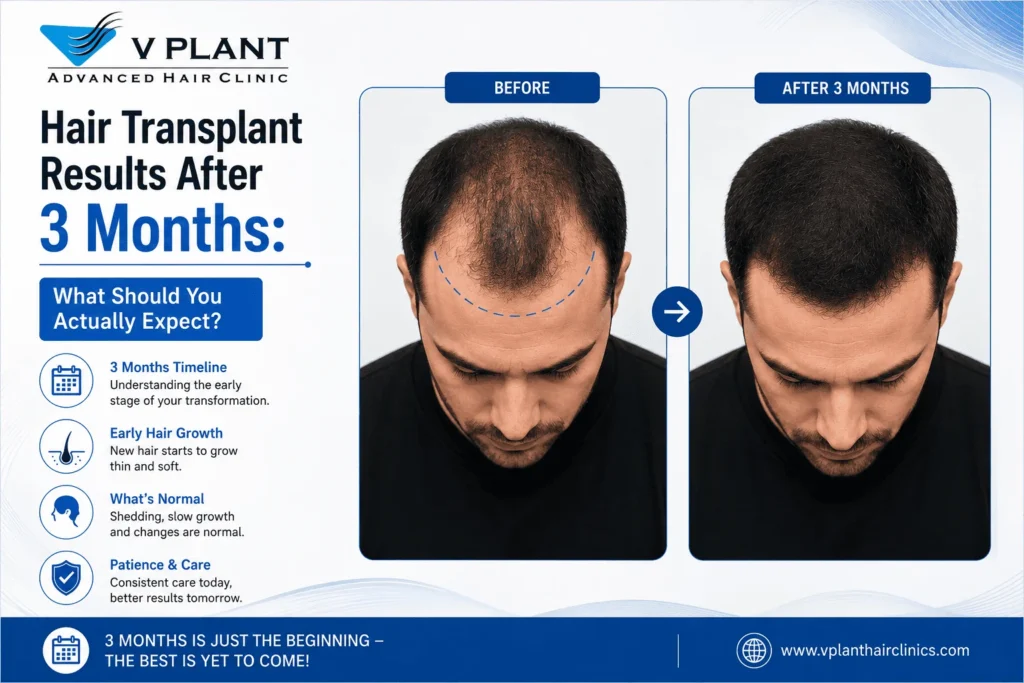
- 3–4 months: Early new hair growth begins
- 6 months: Noticeable improvement in hair density
- 9–12 months: Fuller hair and visible results from transplanted hair
Following proper scalp care and medical advice helps maintain results for the long term.
When Should You See a Hair Specialist?
If you experience any of the following signs, consulting a specialist is important:
- Persistent hair fall for months
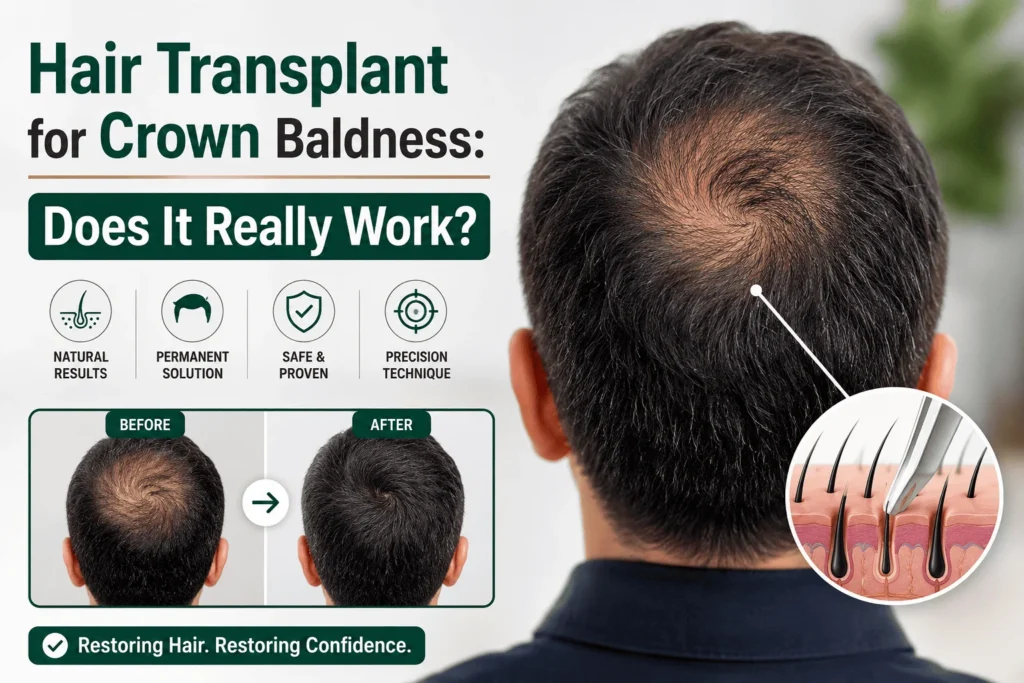
- Visible bald spots or thinning crown
- Receding hairline
- Sudden hair loss after stress or illness
- Family history of androgenetic alopecia
A specialist can identify the type of hair loss and suggest the most suitable solution for hair loss, including advanced hair restoration treatments.
Expert Hair Care Guidance in Mumbai
If you are dealing with hair thinning or baldness and searching for a reliable solution to hair loss, consulting an experienced hair transplant surgeon can make a big difference.
At VPlant Hair Clinic in Mumbai, modern hair restoration treatments and advanced hair transplant procedures are designed to deliver natural-looking results. Under the expert guidance of Dr. Amit Agarkar, patients receive personalized treatment plans based on their scalp condition and type of hair loss.
From PRP therapy to advanced fue hair transplantations using techniques like MHI & DHI methods, the clinic focuses on restoring natural hair density safely and effectively.
Final Thoughts
Achieving faster hair growth requires patience, consistency, and the right care routine. While natural remedies and lifestyle improvements can strengthen the hair follicle and improve scalp health, some people may require advanced treatment for hair loss.
Modern hair restoration solutions, including advanced types of hair transplant procedures, can provide a reliable long term solution for hair loss. With guidance from experienced transplant surgeons, patients can achieve natural-looking results and improved confidence.
By understanding the real causes of hair fall and choosing the right approach, you can support healthy new hair growth, stronger follicles, and lasting hair regrowth. With the right care and expert support, achieving fuller and healthier hair is absolutely possible.