image

Vplant

Top 5 Reasons Why Hair Transplants Are So Popular

Top 5 Reasons Why Hair Transplants Are So Popular

This article talks about why more and more people are choosing hair transplant surgery as a long-term solution for hair loss. Modern hair transplant methods, such as follicular unit extraction (FUE) and follicular unit transplantation (FUT), have made the process safer, more effective, and easier to get than ever. These methods can give you results that look natural and hair that grows back permanently. A lot of people who are losing hair, have thinning hair, or bald spots are getting hair restoration because it gives them long-lasting confidence and doesn’t take much time off. A well-planned hair transplant procedure lets your own transplanted hair grow naturally over time, unlike temporary treatments for hair loss. This makes it very appealing to both men and women who want a simple, low-maintenance way to deal with hair loss. Knowing these top reasons can help readers figure out if getting a hair transplant is the right thing to do for their hair loss. This guide gives clear, useful information if you’re looking into the benefits of hair transplants or different types of hair transplant procedures. Millions of people around the world lose hair. Many people lose hair at different times in their lives. It could be thinning hair, a receding hairline, or bald spots that are easy to see. This can change how you look and how you feel about yourself. Hair transplant surgeries have become one of the most trusted ways to treat hair loss over the years. Types of hair transplant procedures that used to be thought of as a luxury or a last resort are now easier to get, look more natural, and work better than ever. But what is making this trend grow? Let’s look at the top five reasons why hair transplants are so popular and why more and more people are choosing this long-term solution for hair loss. 1. Results that look natural and last a lifetime One of the main reasons hair transplants are so popular is that they make hair look natural. Modern hair transplant methods are made to look like how hair grows naturally, so it’s almost impossible to tell the difference between transplanted hair and your own hair. Follicular unit extraction (FUE), follicular unit transplantation (FUT), and newer methods like MHI and DHI are all advanced ways to carefully move healthy hair follicles from the donor area (usually the back or sides of the head) to thinning areas or bald spots in the recipient area. These hair grafts will keep growing on their own, just like your own hair. Why This Is Important • After the transplant, hair grows back on its own.• The results look real and will last.• You can cut, style, and treat your hair like usual.• No special care needed Temporary fixes like wigs, powders, or medications only work for a short time. Fue hair transplants and other modern procedures, on the other hand, can make hair grow back for years. This is one of the main reasons why many people choose hair transplant surgery over temporary treatments for hair loss. 2. A permanent fix for hair loss Another big reason why hair transplants are becoming more popular is that they are a permanent way to fix hair loss. Most non-surgical treatments, like oils, serums, or medicines, only work for a short time. Hair may start to fall out again after you stop using them. People who want a permanent solution to hair loss may find this annoying. Different types of hair transplant surgeries work. Healthy hair follicles are taken from places that are genetically resistant to hair loss during the hair transplant procedure. The donor area is where these follicles are usually taken from and put in the recipient area where hair is thinning. This method works best for androgenetic alopecia, which is one of the most common types of hair loss in both men and women. Advantages of Permanent Hair Restoration • Hair growth that lasts a long time• No need for more than one treatment• In the long run, it’s cost-effective• More confidence and better looks Because of this long-term benefit, a lot of people think hair transplant procedures are a good investment. Patients at VPlant Hair Clinic in Mumbai often choose hair restoration because they want results that last instead of quick fixes. Patients can get natural and permanent hair regrowth with the help of experienced transplant surgeons who plan everything out and give them personalized care. 3. Better methods and more advanced technology In the last ten years, hair transplant technology has gotten a lot better. In the past, hair transplant surgeries were known for giving results that didn’t look natural and taking a long time to heal. But new types of hair transplant techniques have completely changed how hair transplants work. New Ways to Get Hair Transplants • Follicular Unit Extraction (FUE)• Follicular Unit Transplantation (FUT)• Direct Hair Implantation (DHI)• MHI and DHI ways• Sapphire FUE• Technology for robotic hair transplants These new kinds of hair transplant surgeries offer: • Little scarring• Quicker healing• More successful outcomes• Design of a natural hairline• A comfortable experience during the procedure Because of these changes, more people now feel good about getting hair transplants. The VPlant Hair Clinic in Mumbai uses cutting-edge methods to make sure that the results are accurate and look natural. Dr. Amit Agarkar, a skilled hair transplant surgeon, makes sure that each patient’s treatment plan is based on their specific type of hair loss, hair density, and expectations for the transplant. Patients are more likely to choose hair restoration when it is tailored to their needs. 4. More confidence and self-esteem Our hair has a big effect on how we look and feel. Many people feel less confident, anxious in social situations, or older than they really are when they lose hair. One of the main reasons people get hair transplants is that they feel more confident when their hair grows back. Hair Transplants Can Help You Feel Better • More self-assurance•

Top 5 Reasons Why Hair Transplants Are So Popular Read More »

What to Expect After a Hair Transplant

What to Expect After a Hair Transplant

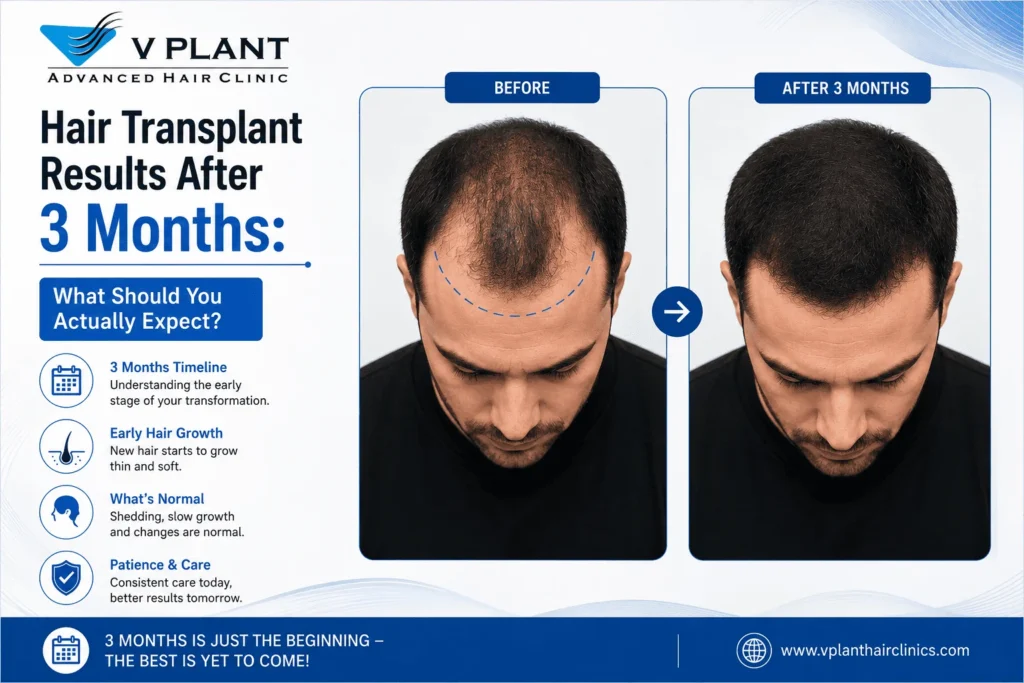
After a Hair Transplant is a common question for people who are thinking about getting their hair back or getting ready to heal after hair transplant surgery. Knowing the timeline can help you feel less anxious and have realistic expectations for your hair transplant. It’s normal to have some swelling, redness, and hair loss after a hair transplant. This will go away in a few days, and then new hair will start to grow. Most people see their hair start to grow back within three to four months. Full results usually show up between nine and twelve months. Patients can be more patient and sure of themselves on their journey if they know how it works. This subject is especially useful for men and women who are looking into hair transplant surgery, how to care for their hair after the procedure, and the long-term results. If you take care of your hair transplant properly, live a healthy lifestyle, and get advice from a skilled hair transplant surgeon or surgeons, the results can look natural and last a long time. Knowing what happens after the procedure helps you get ready, stop worrying about things that don’t matter, and focus on getting your hair back and feeling more confident. A hair transplant can be a good way to fix hair loss for a long time for many people who have androgenetic alopecia, thinning hair, or bald spots. Getting a hair transplant is a big decision. If you have thinning hair, a receding hairline, or bald spots, you probably made the decision after trying different things for months or even years. A hair transplant is a long-term fix for hair loss that looks natural, but a lot of people still want to know what happens next. What will happen after you get a hair transplant?Is there going to be pain?When will hair start to grow?How long does it take to get better? Knowing what to expect after your transplant will make you feel more confident and ready. This guide covers everything, from recovery to hair growth timelines, common symptoms, and useful advice on how to get the best results after different types of hair transplant procedures, such as follicular unit extraction (FUE), follicular unit transplantation (FUT), fue hair transplantations, and modern MHI and DHI methods. The First Few Days After Getting a Hair Transplant Most people think that the first few days after a hair transplant will be hard, but they are usually easier than that. Follicular unit extraction (FUE), follicular unit transplantation (FUT), and advanced MHI and DHI methods are all modern hair transplant techniques that aim to make the procedure less painful and speed up recovery. These kinds of hair transplants move healthy hair follicle units and hair grafts from the donor area, or donor site, to areas where hair is thinning in the recipient area. Things You Might Notice After the hair transplant, you should expect to feel: • A little swelling around the forehead• Redness around the area where the hair was transplanted• Little scabs around hair follicle grafts• A little bit of itching or tightness• A little pain in the area where the donor is These signs will go away on their own in a few days. Most people go back to their normal lives within 2 to 5 days, but this depends on the type of hair loss, the procedure, and how fast they heal. Your hair transplant surgeon will also give you instructions on how to sleep, wash your hair, and take care of the area where the hair was put in. Week 1 to Week 2: Time to Heal Your scalp starts to heal in the first week. Around the transplanted hair follicles, small scabs form. This is normal and part of the healing process for hair restoration. What Happens in This Stage • Scabs start to form around the hair grafts• The redness goes away slowly• There may be some mild itching• Hair that has been transplanted is still visible Most scabs fall off on their own by the end of the second week. Don’t pick or scratch your scalp; this can slow down hair growth and healing. At this point, you need to be patient. The scalp may look a little pink, but this color fades over time. Week 3 to Week 6: The Shedding Phase (Shock Loss) A lot of people are surprised at this stage, and it can even make them worry for no reason. The hair that was moved starts to fall out about 2 to 4 weeks after the hair transplant surgery. This is known as shock loss, and it’s perfectly normal. What causes this to happen? The hair shafts fall out, but the hair follicle units (roots) stay safe under the scalp. These follicles go into a resting phase before they start to grow new hair. This stage might make you feel bad, but it’s actually a good sign that your hair growth cycle is working. The Waiting Phase: Month 2 to Month 3 There may be a time after shedding when it seems like nothing is happening. Even though it’s quiet, this is one of the most important steps. What to Look For • The scalp looks normal• There is little to no visible growth• Units in hair follicles getting ready for new hair growth You need to be patient during this phase. A lot of people are worried, but that’s perfectly normal. The follicles are doing their job below the surface. Month 3 to Month 6: Hair Starts to Grow Again This is when the fun part starts. New hair starts to grow from the transplanted follicles between 3 and 6 months. At first, the hair may look: • Thin• Soft• Has a light texture The hair gets thicker and stronger over time. What You’ll See • Hair density slowly getting thicker• A new hairline is starting to show• Better coverage of the recipient area For many patients who have androgenetic alopecia or other types

What to Expect After a Hair Transplant Read More »

When to Wash Hair After a Hair Transplant

When to Wash Hair After a Hair Transplant

One of the most common questions people have after getting a hair transplant is when they should wash their hair. Knowing when to do things helps protect newly transplanted hair and fragile hair follicles, and it also helps the hair heal and grow back. Most patients can gently wash their hair 48 to 72 hours after the procedure, but the exact timing depends on how sensitive your scalp is, what kind of hair loss you have, and what kind of hair transplant procedures were done, like follicular unit extraction (FUE), follicular unit transplantation (FUT), or advanced MHI & DHI methods. If you wash your hair too soon or use the wrong method, it could disturb the hair grafts in the recipient area and change the results of your hair restoration. That’s why it’s important to follow the right aftercare for hair transplants to make sure you heal safely and your new hair grows in better. Washing your hair gently also helps get rid of scabs, stop itching, and keep your scalp clean without hurting the new hair follicle units that have been implanted. Always do what your hair transplant surgeon says to get the best results if you’re not sure. Knowing when to wash your hair after a hair transplant will help the healing process go more smoothly, make you more comfortable, and give you long-lasting, natural-looking results. Getting a hair transplant is an exciting way to get your confidence back and find a permanent fix for hair loss. If you have androgenetic alopecia, thinning hair, or bald spots, modern hair transplant surgeries can help both men and women who want natural-looking results. But as soon as the procedure is over, a lot of people start to wonder, “When can I wash my hair after a hair transplant?” Patients ask this question a lot, and for good reason. If you wash your hair too soon or too roughly, it can slow down the healing process and even hurt the hair follicles that were just transplanted. The good news is? It is easy and safe to wash your hair after a hair transplant if you follow the right steps. We’ll show you when to wash your hair, how to do it safely, what to stay away from, and tips for healing faster in this article. All of this will be in simple, easy-to-understand language. Why You Should Be Careful When Washing Your Hair After a Transplant Your scalp is sensitive after a hair transplant. During fue hair transplants, follicular unit transplantation (FUT), or MHI and DHI methods, transplant surgeons carefully move healthy hair grafts from the donor area or site to areas in the recipient area that are thinning. These new hair follicle units are fragile and need time to get used to their new location. In the first few days, you might see: • Slight redness• Swelling• Little scabs around the grafts• Pain in the scalp• A little bit of itching These are totally normal and are a part of the healing process. But washing your hair the wrong way at this point can move grafts or slow down healing. That’s why doctors say to wait and wash your hair the right way, especially after getting different kinds of hair transplants. When is it okay to wash your hair after a hair transplant? You can usually wash your hair 48 to 72 hours after the hair transplant. But the exact time may change depending on: • The type of hair transplant (FUT or FUE)• How many grafts• Sensitive skin• How fast it heals• Advice from the doctor The timeline may also change based on the kinds of hair transplant you have and how much experience you have with hair transplants in general. In general, here is a simple timeline: No washing on days 1 and 2. Don’t wash your hair at all. Your scalp is still very sensitive, and the grafts are not fully secure yet after the hair transplant. Day 3–5: Start washing gently You can start washing gently with a mild shampoo and a soft touch. Day 6–10: Wash gently every day. You can wash your hair every day and still not have to deal with strong water pressure. After Day 10–14: Wash as Usual Most of the scabs will have fallen off by now, and you can slowly start washing your hair again as usual. Following this schedule will help your hair grow back faster and more safely. How to Clean Your Hair After a Hair Transplant (Step by Step) If you follow these simple steps, washing your hair after a transplant is easy: Step 1: Use warm water Don’t use hot or cold water. For sensitive scalps, lukewarm water is best. Step 2: Gently rub in the shampoo Use a shampoo that is mild and recommended by your doctor. Don’t rub the area where the transplant was done. Instead: • Put shampoo on your hand• Combine with water• Lightly tap on the scalp This helps keep transplanted hair and delicate hair follicle units safe. Step 3: Don’t scrub Don’t scratch or rub your scalp. This can hurt grafts. Step 4: Rinse Gently Rinse with a cup or a gentle shower flow. Stay away from high water pressure. Step 5: Dry Off Gently pat your scalp dry with a soft towel. Don’t rub. Following these steps will help you clean safely without hurting hair follicle units. What Not to Do When Washing Your Hair After a Hair Transplant To keep your newly transplanted hair safe, don’t do the following: • ❌ Rubbing your head• ❌ Putting a lot of pressure on the water• ❌ Using shampoos that are too strong• ❌ Scratching scabs• ❌ Using hair dryers (first few days)• ❌ Putting oil on too soon• ❌ Using hot water to wash Avoiding these mistakes helps avoid problems and speeds up healing after hair transplant surgeries. Common Symptoms After Washing Your Hair (Don’t Worry!) You might notice the following after washing your hair for the first

When to Wash Hair After a Hair Transplant Read More »

Why Sulfate-Free Shampoos Are Better for Healthy Hair

Why Sulfate-Free Shampoos Are Better for Your Hair

A lot of people ask, “Why are sulfate-free shampoos better for your hair?” when they have dry, frizzy hair or hair that falls out unexpectedly. Sulfate-free shampoos are milder cleaners that get rid of dirt without taking away the natural oils in your scalp. This makes them perfect for people with sensitive scalps, color-treated hair, or anyone who wants to take better care of their hair. They help keep hair moist, cut down on breakage, and make the texture of the hair better overall, unlike harsh shampoos. Sulfate-free shampoos can make a big difference if you’re looking for the best shampoo for hair fall or a way to stop hair loss. They are especially useful for hair that is curly, dry, or has been chemically treated, since it needs extra care. Taking care of your scalp also helps your hair grow back, protects each hair follicle, and makes the right conditions for new hair growth. Men and women with androgenetic alopecia, thinning hair, or bald spots should use sulfate-free shampoo to keep their hair healthy in the long term. This small change helps protect transplanted hair after hair transplant surgeries and makes the whole process better for you. Choosing the right shampoo can make a big difference when it comes to taking care of your hair. A lot of people spend a lot of time picking out hair oils, conditioners, and treatments for hair loss, but they often forget about the most basic product they use every day: shampoo. Sulfate-free shampoos have become more and more popular in the last few years, and for good reason. They are safer, gentler, and better for keeping your hair and scalp healthy. If you’ve ever had dry hair, frizz, too much hair loss, or an itchy scalp, your shampoo could be one of the hidden causes. Knowing why sulfate-free shampoos are better for your hair can help you make better decisions and help your hair and scalp stay healthy in the long run. Let’s talk about what sulfates are, how they can hurt your hair, and how switching to sulfate-free shampoos can make your hair care routine better. What are sulfates? Many shampoos and other personal care products use sulfates to clean. The most common kinds are: • Sodium Lauryl Sulfate (SLS)• Sodium Laureth Sulfate (SLES) Many people think that the rich foam that these ingredients make is a sign of cleanliness. Sulfates do a good job of getting rid of dirt, oil, and buildup, but they can also strip away the natural oils that protect your scalp and each hair follicle. Over time, this can make hair weaker, break more easily, and make people lose hair more quickly. Harsh shampoos can make hair loss conditions like androgenetic alopecia worse for people who already have them. A lot of people get dry, irritated, and damaged hair after using shampoos with sulfates a lot. Why shampoos without sulfates are better for your hair It might seem like a small change to switch to sulfate-free shampoo, but it can make a big difference in how your hair looks and feels. 1. Not too harsh on your hair and scalp Shampoos that don’t contain sulfates clean your hair without being too rough. They help keep your scalp’s natural moisture balance and protect the hair follicle, which stops dryness and irritation. This is very helpful for people who have sensitive scalps, dandruff, thinning hair, or bald spots. A healthy scalp helps new hair grow and makes hair restoration treatments or hair transplant surgery work better. 2. Helps Stop Hair Loss One of the best things about sulfate-free shampoos is that they help stop hair from falling out because of dryness and breakage. Harsh shampoos make hair strands weaker and hurt hair grafts, especially after fue hair transplants or follicular unit transplantation (FUT). A sulfate-free shampoo that is gentle on the hair helps protect transplanted hair, make strands stronger, and encourage hair to grow back. 3. Keeps natural oils in your hair Your scalp makes oils that are good for your hair and keep it healthy. Sulfates take these oils away, making your hair dry and brittle. Shampoos that don’t have sulfates in them keep these oils from drying out your hair and making it hard to manage. This is important for people who are getting hair transplants, such as follicular unit extraction (FUE), MHI & DHI methods, and other more advanced hair transplant methods. 4. Best for hair that has been chemically treated If you’ve had treatments like: • Coloring hair• Treatment with keratin• Smoothing• Rebonding• Transplanting hair It’s best to use shampoos that don’t have sulfates in them. Harsh shampoos can hurt treated hair and change what you can expect from a hair transplant, especially in the first few weeks after the surgery. Gentle washing helps keep the donor area, donor site, and recipient area safe after certain kinds of hair transplant surgeries. Who Should Use Shampoo Without Sulfates? Almost everyone can use sulfate-free shampoos, but they are especially good for: • People who are losing hair• People whose hair is dry or frizzy• People with a sensitive scalp• People whose hair is curly or has texture• People whose hair has been treated with chemicals• Anyone who is getting better after a hair transplant• People who have androgenetic alopecia• People who have bald spots If you’re having trouble with hair loss that keeps happening, switching to sulfate-free shampoo can be a simple and effective way to stop it. Common Reasons Why Harsh Shampoos Ruin Hair A lot of people don’t know that their shampoo could be making their hair problems worse. Here are some things that often cause it: Too Much Cleaning Shampoos that are too harsh take away too much oil, which makes the scalp dry and irritated. More hair breaking When hair is dry, it becomes weak and breaks easily, which can hurt hair grafts and transplanted hair. Irritation of the scalp Sulfates can make your skin itch and turn red, especially after

Why Sulfate-Free Shampoos Are Better for Your Hair Read More »

Facial Hair Transplants

Facial Hair Transplants: Beard, Mustache & Eyebrow Trends

Beard, mustache, and eyebrow transplants for facial hair People who want facial hair that looks natural and permanent are becoming more interested in trends. This trend is all about using advanced hair transplant techniques to restore or increase beard density, shape mustaches, and make eyebrows thicker. It’s great for men and women with patchy beards, thin eyebrows, or anyone who is losing facial hair because of genetics, scars, androgenetic alopecia, or too much grooming. Modern facial hair transplant procedures give you results that look natural, don’t take long to heal, and let your hair grow back over time. These hair transplant surgeries fix hair loss for good, unlike temporary fixes like beard oils or eyebrow makeup. The hair that was transplanted grows like normal facial hair and can be styled like normal facial hair. As grooming trends change, more and more people are getting beard transplants and eyebrow restorations to help with hair loss and boost their confidence. Facial hair transplants are a safe and personalized way to restore your hair that fits with today’s grooming trends, whether you want a fuller beard, a more defined mustache, or thicker brows. Facial Hair Transplants: A Trend That Makes You More Confident Today, facial hair is more than just a style choice. It can say a lot about who you are and how confident you are. Facial hair styles are becoming more and more popular with both men and women. These styles range from thick, well-defined beards to perfectly shaped eyebrows. Not everyone, though, is naturally blessed with a full beard. Genetics, the type of hair loss, or medical conditions can cause some people to lose hair, get bald spots, or have trouble with patchy beards, thin mustaches, or sparse eyebrows. This is why more and more people are getting facial hair transplants. For people who have lost hair, beard, mustache, and eyebrow transplants are a permanent, natural-looking solution. A skilled hair transplant surgeon uses cutting-edge methods to bring back facial hair and make you look better. This guide will cover everything you need to know about facial hair transplants, such as the latest styles, the reasons for hair loss, the signs and symptoms, the treatment options, what to expect from the hair transplant procedure, and what to expect from the hair transplant process. Why Get Facial Hair Transplants Are Popular In the last ten years, facial hair styles have changed a lot. A thick beard is now seen as a sign of maturity, manliness, and style. Well-shaped eyebrows have become an important part of beauty in the meantime. Here’s why more and more people are getting facial hair transplants: • More and more people want well-groomed beards• The effect of celebrities and social media• More people are learning about hair transplant surgeries• A permanent fix for hair loss instead of temporary ones• Modern hair transplant methods give results that look natural A lot of people now like facial hair transplants because they let hair grow back over time and don’t need daily grooming products. Different Kinds of Facial Hair Transplants Facial hair transplants are made to fit each person’s needs. Here are some of the most common types of hair transplants: 1. Beard Transplant A beard transplant can help fill in bald spots or make a whole new beard. This is perfect for: • Beard growth that isn’t even• Facial hair that isn’t even• No beard because of genetics• Scars on the beard or hair loss During the hair transplant procedure, healthy hair follicles are taken from the donor area or donor site, usually at the back of the scalp. After that, these hair grafts are carefully put into the area of the beard where they will grow naturally. 2. Transplant of a mustache A mustache transplant makes thin or uneven mustaches look better. A lot of people who want this procedure do it because: • A mustache that is thicker• Clear shape• Growth that is even• More coverage on the upper lip This hair restoration treatment makes your face look more balanced and gives you results that look natural.3. Transplanting eyebrows More and more men and women are getting eyebrow transplants. This procedure helps bring back eyebrows that are thin or sparse because of: • Too much plucking• Getting older• Health issues• Genes Eyebrow transplants use carefully placed hair follicles to make brows that look natural. Reasons for Patchy Facial Hair There are a number of things that can make facial hair thin or patchy. Knowing what kind of hair loss you have can help you pick the best treatment. Some common causes are: Genetics Genetics has a big effect on how facial hair grows. Hormonal Imbalance Problems with hormones can make facial hair grow more slowly. Scars or wounds Hair follicles can be hurt by accidents or surgery. Androgenetic Alopecia and Alopecia These conditions can make facial hair patchy or cause bald spots. Plucking or waxing too much Too much grooming can hurt hair follicles. Getting older As you get older, your hair becomes less dense. Signs That You Might Need a Facial Hair Transplant If you have any of the following, you might want to think about getting a facial hair transplant: • Beard growth that isn’t even• Mustache that isn’t even• Eyebrows that are thin• Facial hair grows slowly• Scars that make hair fall out• No facial hair because of genetics These signs point to weak hair follicles that might do better with fue hair transplants or other kinds of hair transplant procedures. How Facial Hair Transplants Work Facial hair transplant procedures use cutting-edge methods to get natural results. Some of the most common ways to do hair transplants are: FUE, or Follicular Unit Extraction Follicular unit extraction (FUE) is a very common method. Individual hair grafts are taken from the donor site and put into the recipient area. Some of the benefits are: • Little scarring• Faster healing• Looks natural• Results that last a long time FUT, or Follicular Unit Transplantation Follicular unit transplantation (FUT)

Facial Hair Transplants: Beard, Mustache & Eyebrow Trends Read More »

FUE vs FUT vs MHI/DHI

FUE vs FUT vs MHI/DHI: Which Hair Transplant Technique is Right for You?

Which hair transplant method is best for you: FUE, FUT, or MHI/DHI? When you’re looking into hair transplants to fix thinning hair, a receding hairline, or bald spots, this is a question that comes up a lot. Depending on your type of hair loss, how you want to recover, and how thick you want your hair to be, each method—FUE, FUT, and MHI & DHI—has its own pros and cons. Follicular Unit Extraction (FUE) leaves very little scarring and heals quickly. Follicular Unit Transplantation (FUT) works well for bigger bald spots. MHI and DHI methods give you precise placement and hairlines that look natural. Knowing about these kinds of hair transplant methods can help you pick the best one for long-term hair regrowth that looks natural. This guide is especially useful for men and women who are thinking about getting their hair back, comparing different types of hair transplants, or looking for a long-term fix for hair loss. You can make a confident choice that fits your goals, lifestyle, and hair transplant expectations by learning how each method works. Losing hair can affect your confidence, looks, and even how you feel in social situations without you even knowing it. Many people who lose hair look for a long-term solution to hair loss, whether it’s a receding hairline, a thinning crown, or a patchy beard. That’s when modern hair transplant surgeries come into play. Hair restoration is more advanced, looks more natural, and is more comfortable than ever before. But it can be hard to choose the right method when there are so many, like FUE hair transplants, Follicular Unit Transplantation FUT, and MHI and DHI methods. This guide will help you understand everything in simple terms, including the causes of hair loss, the symptoms, the treatments, and how to choose the right approach if you’ve ever wondered which types of hair transplant are best for you. Let’s go through it step by step. Why does hair loss happen? There are many reasons why hair can fall out. Some are short-term, and some are long-term. Knowing what caused your hair loss helps you find the best way to fix it. What Causes Hair Loss? • Genetics (Androgenetic Alopecia)• Changes in hormones• Stress and things that happen in life• Not eating well• Health problems• Getting older• Infections of the scalp• Too much styling or chemical treatments Androgenetic alopecia is the most common reason for hair loss, especially in men and women who are slowly losing hair. In these situations, hair transplant procedures are often the best way to permanently restore hair. Signs That You Might Need a Hair Transplant If you notice any of the following, you might want to think about getting a hair transplant: • Hairline that is getting thinner• Crown getting thinner• Areas of hair loss• Hairline going back• Less hair density• Beard or eyebrows that are patchy• Hair that doesn’t respond to medicine If you lose hair permanently, hair restoration surgery can help you grow new hair using your own hair follicle units. What is a hair transplant? A hair transplant is a procedure that moves healthy hair follicles from the donor area (usually the back or sides of the scalp) to the recipient area, where hair loss is happening. The three most common methods for hair transplants are: • FUE (Follicular Unit Extraction)• FUT (Follicular Unit Transplantation)• MHI and DHI Methods (Direct Hair Implantation) There are pros and cons to each hair transplant method. The best choice for you will depend on the type of hair loss you have, the quality of your hair, and your goals. Let’s take a look at each one. Follicular Unit Extraction (FUE) Hair Transplant Follicular Unit Extraction (FUE) is one of the most common hair transplant methods today. How FUE works In FUE hair transplants, individual hair grafts are taken from the donor site and put into areas of the recipient area where hair is thinning or missing. Advantages of FUE • No big scar• Little time off• Hair that looks natural after being transplanted• Less pain• Healing faster• Great for short haircuts Who Should Get FUE? FUE is good for: • Hair loss that is mild to moderate• People who like short hair• People who want as little scarring as possible• Patients who are younger Things to Think About • Procedure time is a little longer• Needs a skilled surgeon for hair transplants• For bigger bald spots, you might need more than one session. Many people recommend FUE hair transplants because they let hair grow back naturally with very little damage. Follicular Unit Transplantation (FUT) Hair Transplant Follicular Unit Transplantation (FUT), also known as the strip method, is still one of the most reliable hair transplant surgeries. How FUT Works Follicular Unit Transplantation (FUT) is a procedure in which a strip of skin with hair follicles is taken from the donor area. These follicles are divided into hair grafts and put into the area where they will be used. Advantages of FUT • Good for big bald spots• More grafts in one session• Cost-effective• Best for more serious types of hair loss Who is FUT best for? FUT is a good choice for: • A lot of hair loss• Bigger areas for transplants• People who need the most density• People who don’t mind a straight scar Things to think about • A straight scar at the donor site• A little longer to heal• Not great for haircuts that are very short FUT is still a good way to fix hair loss when you need a lot of coverage, even though new types of hair transplant techniques are available. Direct Hair Implantation (MHI/DHI Hair Transplant) The MHI and DHI methods are newer and better versions of FUE hair transplants that are more accurate. These new hair transplant methods give you more control over where the hair goes and how thick it is. How MHI/DHI Functions Follicular Unit Extraction (FUE) removes hair follicles, but a special pen-like tool is used to

FUE vs FUT vs MHI/DHI: Which Hair Transplant Technique is Right for You? Read More »

Hair Transplant Procedure: A Complete Guide to Hair Restoration

A Full Guide to Hair Restoration: The Hair Transplant Procedure How to Do a Hair Transplant: A Complete Guide to Hair Restoration is for anyone who is losing hair, has thinning hair, a receding hairline, or bald spots that are easy to see and wants to find a long-term solution. This guide tells you how a hair transplant works, who it is good for, and what results you can realistically expect. It also explains popular methods like follicular unit extraction (FUE), follicular unit transplantation (FUT), and advanced MHI and DHI methods, so you can figure out which hair transplant procedures might work best for you and your way of life. This information will help you make smart choices with confidence, whether you’re just starting to look into hair loss treatment or are already thinking about it. A successful procedure helps restore hair, makes you look better, and boosts your self-esteem. Knowing the steps, the recovery time, and the benefits will help you know what to expect before you move on. This guide gives you useful, easy-to-understand tips that are based on real problems if you want to find a permanent way to stop hair loss. A lot of people have trouble with hair loss but don’t talk about it. It can hurt your looks and your confidence if you lose hair slowly or suddenly notice it getting thinner. The good news is that hair transplant surgeries today are a safe and long-lasting way for both men and women to get their hair back. These days, hair transplant methods are safer, more advanced, and look more natural than ever before. If you’re thinking about getting a hair transplant, it’s important to know how it works, what the benefits are, and what to expect. This full guide will tell you everything you need to know about hair transplant procedures, including what causes hair loss, how to recover, and how to grow new hair. Why Does Hair Loss Happen? Understanding Hair Loss Before looking into different kinds of hair transplants, it’s important to know why people lose their hair. Both men and women can lose hair, and the type of hair loss is different for everyone. What Causes Hair Loss Most Often Genetics (Androgenetic Alopecia) The most common reason for hair loss is androgenetic alopecia. It causes male pattern baldness and female pattern thinning, which can leave bald spots and hairlines that are getting thinner. Changes in hormones Hormonal changes, such as pregnancy, menopause, thyroid problems, and other issues, can make the hair follicle weaker and cause hair to fall out. Stress and how you live your life Stress can mess up the cycle of hair growth, leading to temporary hair loss and thinning. Not getting enough nutrients Not getting enough vitamins, iron, and protein makes the hair follicle weaker and slows down hair regrowth. Health Problems Permanent hair loss can be caused by autoimmune diseases, infections, or problems with the scalp. Too much styling and chemical treatments Too much heat styling, coloring, and chemicals can hurt the roots of your hair and make it fall out over time. If hair loss is permanent and hair follicles stop making hair, a hair transplant may be the best way to get hair back. What does a hair transplant do? A hair transplant is a minimally invasive procedure that moves healthy hair follicles from a donor area, usually the back or sides of the scalp, to thinning or bald areas called the recipient area. The transplanted hair follicles keep growing on their own, so the results are permanent and look natural. New hair growth over time makes hair thicker and boosts self-esteem. People often use hair transplant surgery to treat: • Hairline that is going back• Spots where hair is missing• Crown getting thinner• Fixing hairlines• Restoring a beard, mustache, or eyebrows Modern hair transplant surgeries focus on natural density, the right direction, and long-term results for restoring hair. Different Kinds of Hair Transplant Procedures There are a lot of different kinds of hair transplant surgeries that you can get today. The best choice for you will depend on the type of hair loss you have, how thick your hair is, and what you want from the hair transplant. 1. FUE, or Follicular Unit Extraction Follicular Unit Extraction (FUE) is a very common way to do hair transplants. A lot of transplant surgeons suggest FUE hair transplants because they look more natural and heal faster. How FUE Works • Individual hair follicles are taken out of the donor site• Carefully put the hair grafts into the area that needs them• No big cuts or stitches Advantages of FUE • Little scarring• Healing faster• Transplanted hair that looks natural• Less pain• Good for short haircuts People who want to restore their hair in a modern way that looks natural should get FUE hair transplants. 2. FUT (Follicular Unit Transplantation) Follicular Unit Transplantation (FUT) is another good way to transplant hair that is often used for people who have lost a lot of hair. How FUT Works • A thin strip of hair is taken from the donor area• The strip is used to get hair grafts• The grafts are put into the area that will receive them Advantages of FUT • Good for big bald spots• More grafts that work• Affordable Even though follicular unit transplantation (FUT) may leave a small scar, it is still a good way to treat hair loss. 3. DHI and MHI hair transplant methods MHI and DHI are advanced hair transplant methods that are made to give you a precise implantation and a natural density. How DHI and MHI Work • Hair follicles taken from the donor area• Special tools for implanting put follicles right in• No cuts that were made ahead of time Advantages • Exact placement• More density• Healing faster• Design of a natural hairline People like these new hair transplant methods for fixing hairlines and growing back hair. Who Would Be a Good Candidate for a Hair

Hair Transplant Procedure: A Complete Guide to Hair Restoration Read More »

Female Hair Transplant: Myths, Realities & What Works

Female Hair Transplant: Myths, Realities & What Works explores the truth behind modern hair restoration methods for women struggling with thinning hair, bald spots, or receding hairlines. Many women still believe that hair transplant surgeries are only for men, but today’s advanced types of hair transplant techniques — including Follicular Unit Extraction (FUE), Follicular Unit Transplantation (FUT), and newer MHI & DHI methods — are designed to deliver natural, long-term results tailored to female hair patterns. This guide breaks common myths, shares real experiences, and explains how a skilled hair transplant surgeon can provide a lasting solution for hair loss. Whether caused by genetics, hormonal changes, or stress, understanding the right treatment for hair loss and setting realistic hair transplant expectations is key. This article helps women explore proven solutions for new hair growth and make informed choices that lead to confident, natural-looking hair regrowth. Understanding Female Hair Loss Hair loss affects millions of men and women worldwide, yet the topic of female hair transplant is often misunderstood. This guide clears the confusion. Here, you’ll learn what a hair transplant procedure can and can’t do, the types of hair transplant procedures available, how to choose the right transplant surgeons, and what to expect during your hair transplant experience. Why Women Consider Hair Transplants Women can lose hair due to androgenetic alopecia, hormonal changes (like menopause or pregnancy), medical conditions, stress, or even scarring. When thinning hair or visible scalp affects confidence, a hair transplant can become a life-changing solution to hair loss. While not every woman needs surgery, for many, it’s an effective path to hair restoration and lasting self-assurance. Common Myths (and the Realities) Myth 1 — “Hair transplants are only for men.” Reality: Women can and do undergo successful hair transplant surgeries. When performed by an experienced hair transplant surgeon, results can look natural and feminine. Myth 2 — “One surgery fixes everything.” Reality: A single session may not solve all issues. Hair is redistributed from the donor area to thinning regions, and some patients may require multiple sessions or supporting hair loss treatment for optimal hair regrowth. Myth 3 — “Transplanted hair looks fake.” Reality: Modern FUE hair transplantations, FUT, and DHI techniques ensure that transplanted hair grows at a natural angle and density. With expert planning, it’s nearly impossible to distinguish between natural and transplanted strands. Myth 4 — “Transplants regrow hair instantly.” Reality: The hair transplant experience requires patience. Initial shedding is normal, followed by gradual new hair growth over several months. Most patients see visible results within 9–12 months. Myth 5 — “Anyone with hair loss can get a transplant.” Reality: Ideal candidates have a stable donor site, healthy hair follicles, and realistic hair transplant expectations. Those with diffuse thinning or poor donor supply may need other solutions for hair loss. The Realities — What Actually Happens Assessment and Candidacy Before surgery, the hair transplant surgeon examines the scalp, reviews medical history, and identifies the type of hair loss. This ensures the best approach — whether a hair transplant procedure or other treatment for hair loss. Types of Hair Transplant Procedures Each of these types of hair transplant techniques has pros and cons, and your surgeon will suggest what best fits your scalp condition and aesthetic goals. What to Expect During a Hair Transplant Procedure The hair transplant procedure typically uses local anesthesia. Depending on the size of the area, surgery may take several hours or more than one session. Post-surgery, you’ll receive instructions on caring for your transplanted hair to ensure healthy hair regrowth and prevent infection. What Works — Combining Surgery and Supportive Treatments Medical Treatments Lifestyle and Home Care Pre- and Post-Op Care Choosing the Right Surgeon and Clinic Your choice of transplant surgeon determines the outcome. Setting Realistic Hair Transplant Expectations A hair transplant moves healthy follicles to thinning areas, but it can’t create infinite density. Most women can expect: Honest discussion with your surgeon ensures your hair transplant expectations match achievable outcomes. Risks and Complications Even the best hair transplant surgeons discuss possible risks, such as: Choosing a reputable clinic and following aftercare minimizes these issues. When to Consider Alternatives A hair transplant may not be ideal if: Alternatives include medical treatment for hair loss, wigs, or non-surgical hair restoration options. Quick FAQs Conclusion — Taking the Next Step If you’re losing hair and want a solution to hair loss, begin with a detailed consultation with a trusted hair transplant surgeon. Get your type of hair loss diagnosed, understand your hair transplant expectations, and plan a personalized hair restoration journey that fits your lifestyle. With advanced FUE, FUT, DHI, or MHI techniques, and the right post-surgery care, women can achieve fuller, natural hair regrowth that lasts. Trust experienced transplant surgeons who prioritize your comfort, long-term results, and confidence.

Female Hair Transplant: Myths, Realities & What Works Read More »

When Can You Hit the Gym After a Hair Transplant?

When Can You Hit the Gym After a Hair Transplant? This is one of the most frequently asked questions by anyone who has undergone a hair transplant procedure. Knowing the answer is crucial because exercising too soon can affect healing and the survival of transplanted hair. After hair transplant surgeries—whether follicular unit extraction (FUE), follicular unit transplantation (FUT), or advanced MHI & DHI methods—your scalp needs time to recover before it can handle sweat, pressure, or strain. Light activities like walking can usually resume after two weeks, but intense workouts, weightlifting, or contact sports should wait at least four to six weeks. This recovery period allows the hair grafts to settle properly, ensuring optimal hair regrowth and long-term hair restoration results. Following your hair transplant surgeon’s instructions carefully protects your donor area, recipient area, and overall hair transplant experience. Patience now ensures healthier, stronger new hair growth in the months ahead. A hair transplant is a life-changing solution for people struggling to lose hair or dealing with bald spots. It restores not only your hairline but also your confidence. But if you’re active and love the gym, one of the first things on your mind after surgery is: “When can I safely return to workouts?” Resuming exercise too early can compromise healing and affect your hair transplant expectations. This article explains when it’s safe to work out, which activities to avoid, and how to protect your hair follicles while maintaining a healthy fitness routine. Understanding the Hair Transplant Healing Process Before planning your return to the gym, it’s essential to understand what your body and scalp go through after hair transplant surgeries. A typical hair transplant procedure involves removing healthy hair follicles from the donor site and implanting them into thinning or bald areas (recipient area). This can be done using FUE, FUT, or newer MHI & DHI techniques, depending on the type of hair loss, patient goals, and types of hair transplant procedures recommended by your hair transplant surgeon. The Initial Recovery Stage (First 7 Days) This stage is crucial for the survival of hair grafts. Any physical strain, sweat, or friction can interfere with graft adhesion and increase the risk of infection or loss of transplanted hair. Why You Should Avoid Working Out Immediately After a Hair Transplant Exercise is healthy, but right after hair transplant surgeries, it can do more harm than good. Here’s why: 1. Sweating Can Cause Infection Sweating opens pores and can lead to bacterial buildup around the new hair grafts, increasing infection risk and slowing hair regrowth. 2. Increased Blood Pressure and Heart Rate Exercise raises blood flow, which can cause swelling or bleeding in the recipient area, potentially dislodging the follicular unit extraction (FUE) grafts, FUT grafts, or other hair transplant techniques. 3. Risk of Trauma or Friction High-impact workouts, running, or contact sports can traumatize the scalp. Even helmets, caps, or headbands can rub the donor area and damage transplanted hair. 4. Extended Swelling and Delayed Healing Heat and strain can increase forehead and scalp swelling, particularly during the first week. In short — your body and hair follicles need rest. When Is It Safe to Resume Exercise After a Hair Transplant? Recovery timelines depend on the type of hair transplant, your healing rate, and your hair transplant surgeon’s advice. Here’s a practical guide: 1. First Week (Days 1–7): Absolute Rest 🩺 Why: The hair grafts are fragile. Even minor strain can dislodge transplanted hair and compromise new hair growth. 2. Second Week (Days 8–14): Light Movement Only 🩺 Why: By now, scabs may begin falling off, and hair grafts start stabilizing. Too much movement or sweat can still irritate the scalp and delay hair regrowth. 3. Third to Fourth Week: Resume Light Exercise 🩺 Why: Transplanted hair follicles are delicate but can usually handle light exercise by the third week. 4. After One Month: Gradual Return to Regular Workouts 🩺 Why: Both the donor area and recipient area have mostly healed, reducing the risk of hair graft damage. 5. After Six Weeks: Full Gym Routine 🩺 Why: The hair follicles are now anchored, and new hair growth is beginning in the resting phase. Precautions to Take When Returning to the Gym Even after approval, protect your transplanted hair: The Role of Exercise in Hair Regrowth Once fully healed, exercise can boost hair restoration by: Expert Advice: Follow Your Hair Transplant Surgeon Healing is unique for everyone. Factors affecting return to exercise include: Follow post-op care instructions closely. If you notice excessive redness, itching, or delayed healing, stop workouts and consult your hair transplant surgeon. Maintaining Long-Term Hair Transplant Results After hair transplant surgeries, maintaining results is as important as the procedure: Patience is key. Full results from FUE, FUT, or MHI & DHI methods take 6–12 months. Consistent care ensures long-term hair restoration. Final Thoughts Returning to the gym after a hair transplant procedure is possible, but timing matters: Your patience directly affects your hair transplant experience, solution for hair loss, and the success of transplanted hair. Follow guidance, care for your hair follicles, and enjoy strong, healthy new hair growth. This version naturally incorporates all the requested keywords, humanizes the tone, simplifies sentences, and improves readability while keeping SEO and structure intact.

When Can You Hit the Gym After a Hair Transplant? Read More »

How Can Hair Transplant Help in Achieving Perfect Hairline With Enhanced Density? – A Complete Guide

How Can Hair Transplant Help in Achieving Perfect Hairline With Enhanced Density? – A Complete Guide

Introduction  People everywhere want a perfect hairline and full, beautiful hair; however, thinning hair, bald spots, or receding hairlines may impede our appearance and confidence. There are many modern hair transplant options available today that will permanently restore what you had in terms of density and hairline.  In this comprehensive guide, we will discuss how a hair transplant procedure works, the types of procedures that you might encounter, the benefits of these types of procedures, and what you can expect before and after. What is a hair transplant?  A hair transplant procedure is a cosmetic surgical procedure that takes healthy hair follicles from a “donor area” (usually the back or sides of your head) to implant in a bald area, or an area with thinning hair. Once the hair follicles are transplanted, your hair will continue to grow naturally, provide fullness, and eventually develop into thicker hair and a nice hairline. Types of hair transplantation This is where individual hair follicles are removed and placed into sites on the recipient’s scalp.  This method involves taking a strip of scalp from the donor area and has a process of dissection to acquire the hair follicle for transplantation.  The MHI procedure is a sophisticated, non-surgical hair restoration option that employs an implanter device to accurately and efficiently place hair follicles into the scalp while ensuring minimal damage to the hair tissue. How Hair Transplants Assist in Achieving the Ideal Hairline For a hairline to look natural, it must be designed artistically and executed surgically with precision. Once the hairline has been planned on the basis of the patient’s characteristics (general facial shape, age, and natural growth character of hair), the surgeon moves on with the hair transplant, which results in: How Hair Transplant Enhances Overall Density When hair is thin or spotty, it may sometimes be possible to see the scalp, and this can affect a person’s confidence. When multiple grafts are placed simultaneously in a strategic manner, the hair transplant can improve total hair density, providing the appearance of thicker and more voluminous hair. Over time, as the new hair continues to grow, it becomes indistinguishable from existing hair. Recovery and Post-Care Considerations Post-procedure swelling and redness are common, although they typically subside in a few days. Post-care items to consider when returning home: Benefits of Hair Transplant Comparison A hair transplant is one of the most effective methods of restoring a perfect hairline and improving hair density. With advanced techniques such as MHI / DHI or FUE and FUT, permanent and natural-looking results can be achieved with excellent results for hair density and self-esteem. If you are faced with thinning hair or a receding hairline, an experienced hair transplant surgeon should be your first step in transformation. Commonly Asked Questions 1. Is a hair transplant permanent?  Yes, the hair follicles transplanted into the scalp maintain resistance to hair loss and provide permanent and natural growth. 2. How long does it take to see results? Noticeable growth will usually start to be seen in 3-4 months, and full results of the transplant will typically be evident in 9-12 months. 3. Is it painful? Hair transplant surgery is performed under local anesthesia, so the patient will feel virtually nothing and only minimal discomfort. 4. Can women have a hair transplant? Absolutely! Women can undergo a hair transplant as both genders can suffer from hair thinning or bald patches. 5. How much does a hair transplant cost? The cost of a hair transplant is dependent on the number of grafts, the location of the clinic, and the surgeon’s experience. As with any procedure, choosing a reputable and experienced surgeon is the best chance to obtain the best results.

How Can Hair Transplant Help in Achieving Perfect Hairline With Enhanced Density? – A Complete Guide Read More »