


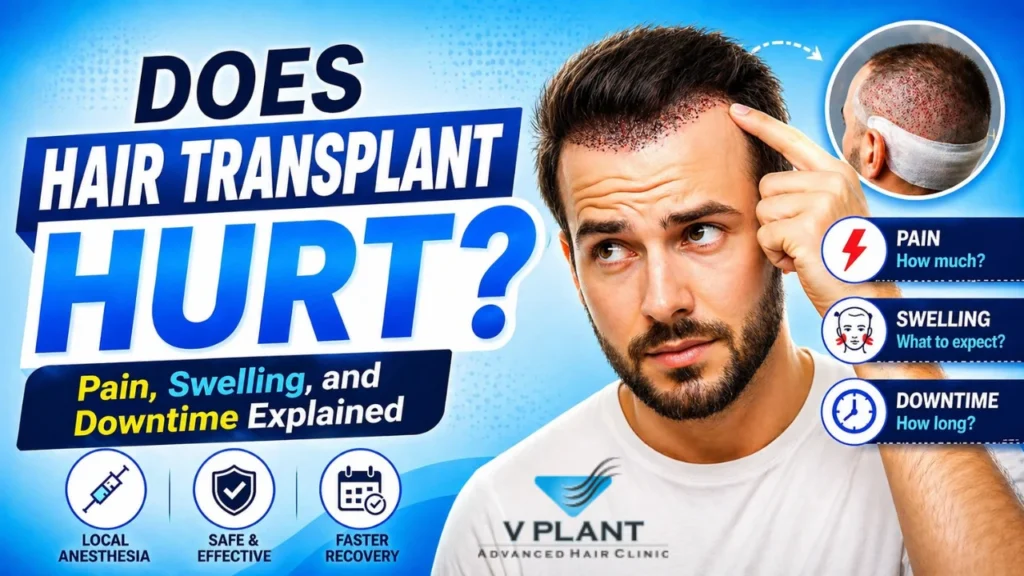
Do Hair Transplants Hurt? Pain, Swelling, and Downtime Explained is one of the most common worries for people looking for a solution for hair loss. If you have Androgenetic Alopecia, notice bald spots, or are starting to lose hair, understanding what a real hair transplant experience feels like can make your decision much easier.
The good news? Modern hair transplant surgeries are designed to be comfortable, effective, and safe for both men and women who want long-term hair restoration and natural new hair growth.
You may have wondered: “Will a hair transplant procedure hurt?”
Getting to Know Modern Hair Transplants
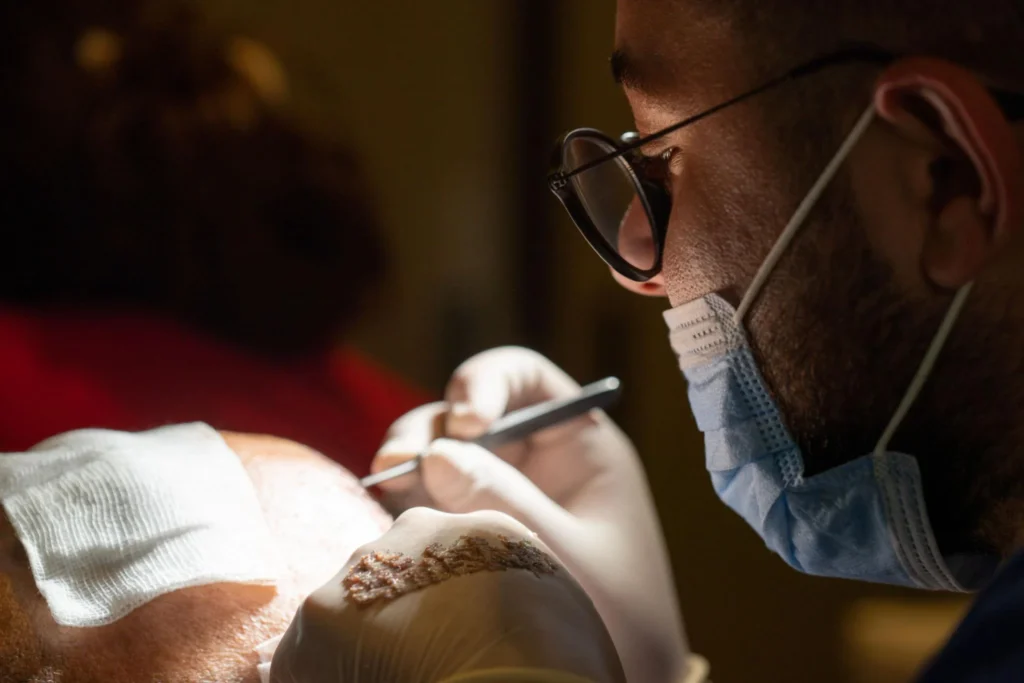
It’s a fair concern—but today’s advanced types of hair transplant techniques are far less intimidating than they sound. Let’s break it down in a simple and honest way so you know exactly what to expect.
The goal of modern hair transplant procedures is simple: move healthy hair follicles from a donor area (usually the back of the scalp) to thinning or bald areas (recipient area).
Common Types of Hair Transplant Procedures
- Follicular Unit Extraction (FUE): Individual hair grafts are extracted from the donor site and implanted into the recipient area.
- Follicular Unit Transplantation (FUT): A strip of scalp is taken from the donor area and divided into grafts.
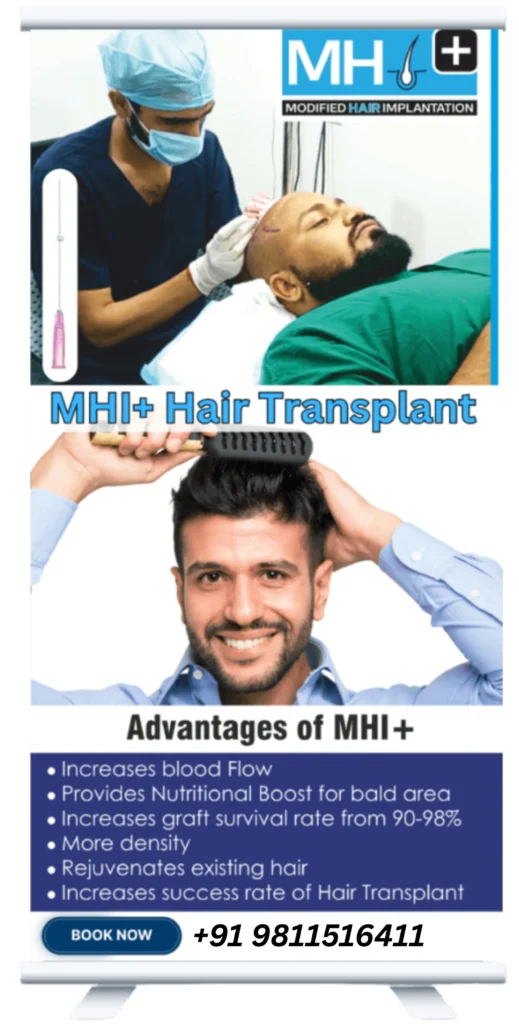
- MHI (Direct Hair Implantation): Hair follicles are implanted directly using a specialized implanter tool.
- DHI Methods: Similar to MHI, allowing precise placement of each hair follicle for natural density.
These advanced hair transplant surgeries use precision tools to ensure minimal discomfort and faster healing. Compared to older techniques, modern hair restoration is less invasive and much more patient-friendly.
During the Procedure: Not as Painful as You Think
A skilled hair transplant surgeon performs the procedure under local anesthesia, which numbs the scalp completely.
You may feel:
- A quick pinch during anesthesia
- Slight pressure while placing hair grafts
But actual pain? Very minimal.
Most patients say their hair transplant experience is surprisingly comfortable. You can relax, listen to music, or even watch something during the procedure.
What Happens After the Procedure?
Once the anesthesia wears off, you may feel mild discomfort—this is completely normal.
Common sensations include:
- Mild soreness in the donor area and recipient area
- Slight tightness (more common in FUT)
- Light tenderness
This usually lasts only a few days and feels more like discomfort than real pain.
Why Does Discomfort Happen?
During a hair transplant procedure, tiny incisions are made to place transplanted hair. Your body naturally begins healing.
Causes include:
- Small micro-incisions during implantation
- Mild swelling
- Temporary sensitivity in donor and recipient areas
This healing process is essential for successful hair regrowth and healthy hair follicle development.
Swelling: Should You Be Worried?
Swelling is common but temporary and harmless.
What to expect:
- Mild swelling on the forehead or near the eyes
- Appears around day 2–3
- Subsides within 3–5 days
Simple ways to manage swelling:
Other Temporary Side Effects
These are normal parts of the hair transplant process:
1. Redness
A light pink tone in the recipient area that fades within a few days.
2. Scabbing
Tiny scabs form around each hair follicle and fall off naturally within 7–10 days.
3. Itching
A sign that healing is progressing.
4. Numbness
Temporary numbness in the donor site that improves over time.
All of these are expected and part of healthy recovery after hair transplant surgeries.
How Long Is the Downtime?
One of the biggest advantages of modern hair transplant procedures is quick recovery.
Typical Timeline
Days 1–3:
- Mild discomfort and swelling
- Rest recommended
Days 4–7:
- Scabs begin to fall off
- Swelling reduces
Week 2:
- Scalp looks mostly normal
- Resume routine activities
After 1 Month:
- Transplanted hair may shed (normal phase)
- New hair growth begins in a few months
Most people return to work within 3–5 days, making this a convenient solution to hair loss.
Does FUT Hurt More Than FUE?
When comparing types of hair transplant techniques:
- FUE hair transplant is less invasive, heals faster, and involves minimal discomfort.
- FUT may cause slight tightness due to stitches in the donor area.
Both methods are effective, but many patients prefer FUE for quicker recovery and less downtime.
Tips to Reduce Discomfort and Heal Faster
Proper aftercare improves comfort and enhances hair regrowth results.
Follow these simple tips:
- Take prescribed medications on time
- Avoid touching transplanted hair
- Follow cleaning instructions carefully
- Stay hydrated and maintain a healthy diet
- Avoid smoking and alcohol for a few days
These steps support faster healing and long-term hair restoration success.
Why Choosing the Right Clinic Matters
Your comfort and results depend heavily on your hair transplant surgeon.
An experienced transplant surgeon will:
- Handle hair grafts with precision
- Protect the donor area
- Ensure accurate placement in the recipient area
- Minimize pain and speed up recovery
This directly affects your overall hair transplant expectations and final results.
Trusted Expert in Mumbai
If you are looking for a reliable solution to hair loss, consider consulting Dr. Amit Agarkar at VPlant Hair Clinic.
He is known for:
- Expertise in advanced hair transplant procedures like FUE, FUT, MHI & DHI
- Focus on natural-looking transplanted hair
- Personalized treatment for different types of hair loss
- Comfortable and patient-friendly hair transplant experience
Patients appreciate the clinic’s attention to detail and commitment to achieving natural new hair growth with minimal downtime.
Final Thoughts: Is It Worth It?
So, do hair transplants hurt?
The honest answer: not much.
- During the procedure: Almost painless
- After the procedure: Mild discomfort
- Recovery: Quick and manageable
Thanks to modern hair transplant techniques, this has become a safe, effective, and long-term solution for hair loss.
Thinking About the Next Step?
If you’re experiencing thinning hair, bald spots, or ongoing hair loss, a hair transplant procedure could be the right solution for you.
A consultation will help you:
- Understand the best types of hair transplant procedures for your condition
- Set realistic hair transplant expectations
- Plan your journey toward long-lasting hair regrowth
With the right information and the right expert, you can move forward with confidence toward successful hair restoration.