

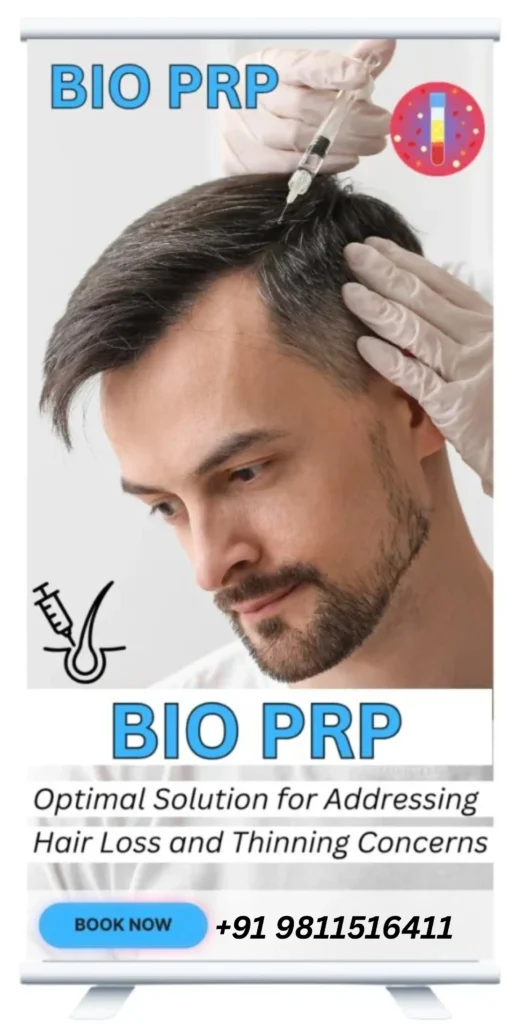

Exosome Hair Therapy: The Future of Hair Regrowth is a sophisticated hair restoration therapy that employs powerful regenerative signals known as exosomes to stimulate natural hair growth. These tiny cell messengers help to stimulate weak hair follicles, improve scalp health and reduce excessive hair fall.
Exosome hair therapy, unlike traditional treatments that only treat symptoms, works to repair and restore the scalp environment, resulting in healthier, thicker-looking hair in the long run. This is especially useful for men and women with thinning hair, early baldness, androgenetic alopecia, stress-related hair loss, or low hair density.
This non-surgical treatment for hair loss is gaining popularity as it involves minimal downtime and stimulates long-term hair rejuvenation naturally. As regenerative medicine advances, exosome therapy is becoming one of the most discussed innovations in modern hair restoration and a promising solution for hair loss.
If you are looking for a scientific approach to hair loss, this treatment is one that is future-looking and may be a complementary treatment to the latest hair transplant techniques such as MHI & DHI methods, follicular unit extraction FUE, and follicular unit transplantation FUT.
Hair loss is no longer a cosmetic problem. For many people, it impacts confidence, self-image and social interactions daily.
Understanding Hair Loss: What is Happening?
Hair loss can be caused by a number of things and generally develops slowly over time. It is important to determine the type of hair loss you are experiencing before beginning any treatment or hair transplant.
Common causes include:
1. Heredity
One of the main causes of thinning hair in men and women is hereditary hair loss, also known as androgenetic alopecia. Without treatment this condition can slowly weaken the hair follicle and cause bald spots to appear.
2. Stress and Lifestyle
Poor sleep, emotional stress, unhealthy eating habits, smoking and pollution can weaken hair follicles and increase hair fall.
3. Hormonal Changes
Excessive hair fall and poor hair regrowth can be caused by hormonal imbalances during pregnancy, menopause, thyroid disorders or PCOS.
4. Nutritional Deficiencies
Low iron, lack of protein, vitamin deficiencies and crash dieting can all impact healthy hair growth and scalp health.
5. Medical Conditions & Treatments
Certain diseases, medications, scalp infections or overuse of chemical and heat treatments can damage hair and delay regrowth.
Early treatment is important as hair follicles deteriorate with time. The earlier the condition is treated, the better the results.
Common Signs You Should Not Ignore
Hair loss does not always happen overnight. The warning signs often come gradually:
- Abnormal hair loss when washing or combing
- Thinning hair at the crown
- Receding hairline
- Scalp patches or bald spots
- Hair thinning
- Strands of thin, limp hair
- Slower growth of new hair
If these signs persist for several months, it may be time to consider professional hair restoration treatments or consult experienced transplant surgeons.
What is Exosome Hair Therapy?
Exosome Hair Therapy is a regenerative treatment that stimulates natural hair growth and improves scalp health. Exosomes are tiny extracellular vesicles containing growth factors, proteins, peptides and signalling molecules that repair and rejuvenate damaged cells.
Simply put, exosomes are tiny messengers that communicate with underperforming hair follicles and encourage them to function better.
Unlike temporary treatments that only slow hair loss, exosome therapy improves the scalp environment and activates dormant follicles. It can also support faster recovery after hair transplant surgeries and advanced procedures like MHI & DHI, FUE and FUT.
Many experts and hair transplant surgeon specialists consider exosome therapy one of the most promising innovations in modern hair restoration.
How Does Exosome Hair Treatment Work?
The treatment process is simple, minimally invasive and patient-friendly.
Step 1: Scalp Examination
A hair specialist or hair transplant surgeon evaluates scalp condition, hair density, donor area, donor site quality, recipient area and type of hair loss.
Step 2: Scalp Prep
The scalp is cleaned thoroughly. In some cases, microneedling is performed to improve absorption and stimulate circulation.
Step 3: Application of Exosomes
The exosome solution is applied to targeted thinning areas to nourish weakened follicles and support hair regrowth.
Step 4: Follicle Activation
Regenerative molecules work at the cellular level to improve blood circulation, reduce inflammation and stimulate follicles.
Over the next few months, many patients notice reduced shedding, improved scalp health, thicker texture and improved hair growth.
Why Is Exosome Therapy Gaining Popularity?
Exosome Hair Therapy is becoming popular because it offers several advantages over traditional hair loss treatments:
- Non-surgical treatment – No stitches, scars or long recovery
- Minimal downtime – Resume normal activities quickly
- Natural hair regrowth support – Works with body’s healing process
- Suitable for men and women – Works across different hair loss types
- Improves hair quality – Enhances thickness and scalp health
- Effective in early stages – Best before severe baldness develops
Can It Be Combined with Hair Transplant Procedures?
Yes. Many clinics use exosome therapy along with advanced hair transplant procedures such as FUE, FUT and MHI & DHI methods to improve healing and graft survival.
Is Exosome Hair Therapy Superior to PRP?
PRP (Platelet-Rich Plasma) uses the patient’s own blood platelets, while exosomes contain concentrated regenerative signals designed to enhance follicular activity.
Exosome therapy is often considered more advanced because it delivers consistent regenerative molecules directly to the scalp and may improve hair transplant outcomes when combined with surgical methods.
However, the ideal treatment depends on scalp condition, hair loss severity, transplant experience and personal goals.
Who Should Consider Exosome Hair Therapy?
Exosome Hair Therapy may help individuals experiencing:
- Early hair thinning
- Androgenetic alopecia
- Female pattern hair loss
- Male pattern baldness
- Stress-related hair loss
- Brittle or damaged hair
- Reduced hair density
- Post-pregnancy hair loss
It may also support recovery after FUE, FUT or MHI & DHI hair transplant procedures.
What Results Can You Expect?
Hair regrowth takes time, so patience is important. Most people begin noticing improvements within a few months.
Common improvements include:
- Reduced hair fall
- Stronger roots
- Improved scalp health
- Increased hair density
- Better hair texture
- New hair growth in thinning areas
Results vary depending on genetics, lifestyle, scalp condition and treatment consistency.
7 Easy Ways to Support Natural Hair Regrowth
Even with advanced treatments, lifestyle plays a major role in long-term hair health.
1. Eat a Healthy Diet
Include protein, leafy vegetables, nuts, seeds and iron-rich foods.
2. Manage Stress
Meditation, exercise and quality sleep support hair regrowth.
3. Avoid Excess Heat Styling
Heat weakens hair strands and follicles.
4. Use Gentle Hair Care Products
Avoid harsh chemicals and choose mild shampoos.
5. Stay Consistent with Treatment
Hair restoration requires regular follow-ups.
6. Maintain Scalp Hygiene
A clean scalp supports better follicle health.
7. Seek Expert Guidance
Choose experienced professionals for safe and effective treatment.
Choosing the Right Hair Clinic
Only trained professionals should administer advanced regenerative treatments. Proper diagnosis, realistic expectations and expert care are essential.
Many patients in Mumbai trust advanced hair restoration services at:
VPlant Hair Clinic
The clinic is known for modern solutions such as Exosome Hair Therapy, FUE hair transplantation, follicular unit extraction (FUE), follicular unit transplantation (FUT) and MHI & DHI methods.
The team provides personalized consultations, scalp evaluation, donor area assessment, recipient area design and customized treatment plans.
Is Exosome Hair Therapy Safe?
Exosome therapy is generally considered minimally invasive and well-tolerated when performed by trained professionals. Most patients experience little to no downtime.
However, medical evaluation is important before starting any treatment. A qualified hair transplant surgeon can determine suitability based on scalp condition and hair restoration goals.
Future of Hair Restoration
Hair restoration has evolved significantly over the years. From topical solutions to advanced surgical procedures and regenerative therapies, treatment options are becoming more effective and personalized.
Exosome Hair Therapy represents a major advancement because it targets follicle health at the cellular level rather than just addressing symptoms.
As research continues, regenerative treatments are expected to play a major role in the future of hair regrowth and restoration.
Conclusion
Hair loss can affect anyone, but modern science now offers more effective solutions than ever before. Exosome Hair Therapy is emerging as one of the most promising non-surgical treatments for those seeking a science-backed approach to hair regrowth.
It helps revitalize dormant follicles, improves scalp health, and supports natural regrowth—offering hope for those struggling with thinning hair or bald patches.
If you are noticing early signs of hair loss or exploring advanced restoration options, consulting an experienced specialist can help you choose the right path.
Clinics like VPlant Hair Clinic are helping patients explore regenerative therapies, modern hair transplant procedures and personalized treatment plans with expert guidance.
Early action can make a significant difference—and healthier, thicker-looking hair may be closer than you think.