image

Vplant Hair Clinic

Do’s and Don’ts After Hair Transplant

Do’s and Don’ts After Hair Transplant

Do’s and Don’ts After Hair Transplant: A Complete Guide helps anyone recovering from a hair transplant understand the essential steps for safe healing and effective hair regrowth. This guide explains which actions to follow and which habits to avoid after surgery, making it easier to protect your transplanted hair follicles and achieve natural, long-lasting results. Whether you’ve undergone FUE (Follicular Unit Extraction), FUT (Follicular Unit Transplantation), MHI, DHI, or other types of hair transplant procedures, knowing these guidelines prevents infection, reduces swelling, and ensures your new hair growth is healthy and strong. From gentle washing and proper sleeping positions to avoiding scratching or strenuous activity, these tips cover practical day-to-day care. Following this guide also helps manage hair transplant expectations and builds confidence during recovery. Perfect for anyone considering a hair transplant or in the healing process, it offers expert advice in a clear, approachable way that supports hair restoration. Understanding Hair Transplant Recovery After a hair transplant procedure, your scalp needs time to heal. The hair follicles are delicate and require careful care to survive and grow. During the first few days, small scabs may form, and mild redness or swelling might appear in the recipient area. These are normal signs of healing. An experienced hair transplant surgeon provides detailed post-operative instructions. Following these steps improves the chances of hair regrowth, reduces complications, and protects your transplanted hair. Proper care is especially important if your type of hair loss is androgenetic alopecia or if you are treating bald spots in men and women. Essential Do’s After Hair Transplant 1. Follow Your Surgeon’s Instructions Every patient has unique needs. Your hair transplant surgeon tailors instructions based on your type of hair loss, the donor area, and the types of hair transplant techniques used. Following these directions carefully ensures optimal recovery and meets your hair transplant expectations. 2. Keep the Scalp Clean Scalp hygiene is vital. Use only the recommended shampoo and wash gently. Avoid scrubbing or rubbing the recipient area. Cleanliness prevents infections and helps transplanted hair thrive. 3. Protect Your Scalp from Sunlight Newly transplanted hair follicles are sensitive. UV exposure can damage grafts and slow hair regrowth. Wear a loose hat or stay indoors during peak sun hours for the first few weeks. 4. Take Prescribed Medications Your doctor may recommend antibiotics, painkillers, or anti-inflammatory medicines. These reduce swelling, prevent infection, and protect hair grafts. Never skip doses or change instructions without consulting your hair transplant surgeon. 5. Sleep Properly For the first nights, elevate your head at a 45-degree angle. This minimizes swelling in the donor site and recipient area. Multiple pillows or a recliner work well. 6. Eat Nutritiously and Stay Hydrated A healthy diet supports hair restoration and faster healing. Include protein, vitamins (especially B-complex and E), and minerals like zinc and iron. Proper hydration keeps your scalp healthy for new hair growth. 7. Gentle Hair Care For at least two weeks, avoid combing or brushing aggressively. Use soft brushes and skip styling products until cleared by your hair transplant surgeon. 8. Monitor Your Progress Hair regrowth usually starts within 3–4 months, with significant results by 6–12 months. Regular check-ups help track your hair transplant experience and ensure transplanted hair is healthy. Crucial Don’ts After Hair Transplant 1. Don’t Touch or Scratch the Scalp Itching is normal, but scratching can dislodge hair grafts. Avoid picking scabs—they fall off naturally in 7–10 days. 2. Avoid Smoking and Alcohol Smoking limits blood flow, slowing healing and hair regrowth. Alcohol increases swelling and can interfere with medications. Avoid both for a few weeks post-surgery. 3. Skip Strenuous Activities Heavy workouts, gym sessions, or sweating can irritate the donor site and recipient area. Avoid strenuous activity for 2–3 weeks. 4. Avoid Heat Treatments Saunas, steam rooms, and hair dryers can weaken transplanted hair follicles. Avoid heat until fully healed. 5. Don’t Use Styling Products Gels, sprays, or waxes can irritate your scalp. Only use them after your hair transplant surgeon permits. 6. Avoid Tight Hats or Helmets Tight headgear can rub the recipient area and damage hair grafts. Wear loose hats only after a few days. 7. Don’t Panic About Shedding Some transplanted hair may fall out in 2–4 weeks (shock loss). This is normal. Hair regrowth occurs in phases, so stay patient. Long-Term Care for Hair Transplant Success Even after immediate recovery, long-term habits impact hair transplant surgeries: Common Mistakes to Avoid Benefits of Following Post-Operative Guidelines By adhering to the do’s and don’ts after hair transplant, you can: Proper post-surgery care is as important as the hair transplant procedure itself. Conclusion Hair transplant surgery is a major step toward resolving hair loss and restoring confidence. Understanding the do’s and don’ts after hair transplant ensures your hair transplant experience is smooth, your transplanted hair thrives, and hair regrowth meets your hair transplant expectations. Consulting an experienced hair transplant surgeon is essential. With proper care, whether through FUE, FUT, MHI & DHI methods, or other types of hair transplant procedures, your hair grafts can grow naturally, filling bald spots and giving long-term results for men and women dealing with androgenetic alopecia or other types of hair loss.

Do’s and Don’ts After Hair Transplant Read More »

Common Myths About Hair Transplants

Common Myths About Hair Transplants

Common Myths About Hair Transplants are widespread misconceptions that often confuse people considering hair restoration. Many believe hair transplants are painful, leave obvious scars, or only work for men—but these ideas are outdated. In reality, modern types of hair transplant procedures, including Follicular Unit Extraction (FUE), Follicular Unit Transplantation (FUT), and advanced MHI & DHI methods, make the hair transplant procedure minimally invasive, natural-looking, and effective for men and women experiencing different types of hair loss such as androgenetic alopecia. Understanding these myths is vital for anyone seeking a solution for hair loss, as it helps set realistic hair transplant expectations and eases concerns about the process. By debunking false beliefs, individuals can make informed decisions about their hair health and explore options that encourage hair regrowth safely. Whether dealing with thinning hair or bald spots, knowing the truth empowers you to choose the right treatment for hair loss and regain confidence with natural, lasting results. Hair loss affects millions worldwide. Thanks to medical advancements, hair restoration through hair transplant surgeries offers a reliable way to regain hair and confidence. Yet, myths about transplanted hair, donor areas, and hair follicle survival can prevent people from exploring these effective treatments. Understanding facts versus myths is key before committing to a hair transplant experience. This article debunks the most common misconceptions and provides clear insights into modern hair transplant techniques. Myth 1: Hair Transplants Are Painful A common misconception is that hair transplants are extremely painful. While many fear invasive surgery, hair transplant surgeons use local anesthesia to numb the scalp, ensuring minimal discomfort. Patients may feel slight pressure or mild tugging, but severe pain is rare. Post-procedure soreness or mild swelling is normal and easily managed with medications. Modern types of hair transplant techniques, such as FUE, FUT, MHI, and DHI, are designed to minimize discomfort. Many patients report the process is far easier than expected, with most resuming daily activities shortly after the hair transplant procedure. Myth 2: Hair Transplants Look Unnatural Early techniques sometimes produced unnatural results because hair grafts were placed improperly. Today, advanced hair transplant surgeries focus on precision and aesthetics. A skilled hair transplant surgeon analyzes hair density, hairline design, recipient area, and donor site to create seamless results. Correctly executed, transplanted hair blends naturally with existing hair, resulting in new hair growth that is indistinguishable from original hair. Myth 3: Hair Transplants Are Only for Men Although male pattern baldness is a common reason for hair restoration, hair transplants are effective for women too. Hair thinning due to hormonal changes, genetics, or medical conditions can be addressed with modern types of hair transplant procedures. Techniques like FUE, FUT, MHI, and DHI methods can be adapted to meet women’s needs, offering natural results. Transplant surgeons emphasize both hair density and aesthetic appeal for all patients. Myth 4: Hair Transplants Are a One-Time Permanent Solution Many believe a single hair transplant procedure ends all hair loss. While hair restoration offers long-term results, it cannot stop future hair thinning in untreated areas. Hair loss may continue due to genetics, medical conditions, or hormonal changes, which could require additional treatment for hair loss. Combining hair transplant surgeries with hair regrowth treatments like minoxidil or finasteride can maintain the health of transplanted hair and existing hair. Setting realistic hair transplant expectations is key to long-term satisfaction. Myth 5: Hair Transplants Leave a Large Scar Scarring concerns deter many patients. The procedure type influences scar visibility. FUT removes a strip from the donor area, potentially leaving a linear scar, though it’s usually hidden by surrounding hair. FUE hair transplantations, MHI, and DHI methods extract individual hair follicles, leaving tiny, nearly invisible marks that heal quickly. With proper care and skilled transplant surgeons, scarring is rarely an issue. Myth 6: Hair Transplants Are Only for the Young Hair transplants benefit individuals of various ages. Success depends on type of hair loss, scalp health, and donor site availability. Older patients often seek treatment to restore thinning hair and confidence. A thorough consultation with a hair transplant surgeon ensures the best timing and method. Age matters less than overall health, hair density, and realistic hair transplant expectations. Myth 7: Transplanted Hair Falls Out Immediately Transplanted hair may shed initially, a normal stage called “shock loss.” The hair follicles remain intact and produce new hair growth over months. Patients usually see results within 3–4 months, improving steadily over a year. Understanding this process prevents unnecessary worry and highlights the natural progression of hair regrowth. Myth 8: Hair Transplants Are Extremely Expensive Cost concerns are common, but hair transplant procedures are a long-term investment. Prices vary based on the number of hair grafts, technique, and surgeon expertise. Compared to temporary solutions or ongoing hair loss products, procedures like FUE, FUT, MHI, and DHI can be cost-effective, offering permanent hair restoration. Financing options further improve accessibility. Myth 9: Hair Transplants Are Risky or Unsafe Performed by certified hair transplant surgeons, hair transplant surgeries are generally safe. Complications are rare and minor, such as swelling or temporary numbness in the donor site. Advanced types of hair transplant techniques and decades of clinical experience ensure safety and successful hair regrowth. Myth 10: You Can Do a Hair Transplant Anywhere Without Consultation Successful hair transplant experience requires personalized planning. A proper consultation evaluates type of hair loss, hair density, scalp elasticity, and donor area. A qualified surgeon determines the best types of hair transplant procedures, number of hair grafts, and sets realistic hair transplant expectations, ensuring satisfying results. Myth 11: Hair Transplants Are Only About Hair Quantity Modern hair restoration focuses on natural density and hairline design, not just quantity. Transplant surgeons consider hair direction, thickness, and curl to ensure transplanted hair blends seamlessly. Those seeking a solution for hair loss should prioritize clinics that emphasize aesthetics and natural results, not just covering bald spots. Conclusion Hair transplants are an effective solution to hair loss, offering hair regrowth, confidence, and lasting results. Myths about pain, scars, gender, or age

Common Myths About Hair Transplants Read More »

Can Smoking Really Make Your Hair Fall Out?

Can Smoking Really Make Your Hair Fall Out?

Can Smoking Really Make Your Hair Fall Out? This is a question many men and women ask when they start noticing thinning hair, bald spots, or early signs of hair loss. Smoking doesn’t just harm your lungs and heart—it also affects your scalp and hair follicles. The toxins in cigarettes reduce blood flow, limit oxygen delivery, and create oxidative stress, which weakens hair roots and speeds up shedding. Over time, this can cause visible thinning, receding hairlines, and worsen androgenetic alopecia. Research shows that quitting smoking can make a real difference. Improved circulation and nutrient absorption help hair follicles recover and support new hair growth. For anyone exploring treatment for hair loss, hair regrowth, or long-term solutions, understanding the link between smoking and hair health is the first step toward stronger, healthier hair. Understanding the Link Between Smoking and Hair Loss Hair loss affects millions of men and women worldwide. While genetics, hormonal imbalances, nutritional deficiencies, and stress are common causes, lifestyle habits like smoking are often overlooked. Scientific research confirms that smoking accelerates hair thinning and can trigger early hair loss. Studies published in Dermatology show that smokers are more likely to experience pattern baldness, diffuse hair thinning, and type of hair loss linked to oxidative stress and inflammation. How Smoking Contributes to Hair Loss: Scientific Evidence Supporting the Smoking–Hair Loss Connection Research highlights the direct relationship between smoking and hair loss: These studies confirm that smoking is not a minor contributor—it actively speeds up hair loss in men and women. How Smoking Damages Hair Follicles Understanding the follicular impact explains why smoking harms hair: Does Quitting Smoking Help With Hair Regrowth? The good news is yes. Quitting smoking improves overall health and creates a better environment for hair regrowth: While some hair loss may be permanent, combining quitting with proper nutrition, topical treatments, and professional hair restoration procedures, like FUE (Follicular Unit Extraction) or FUT (Follicular Unit Transplantation), can produce new hair growth. Advanced techniques, including MHI & DHI methods, provide long-term solutions for thinning areas and bald spots. Lifestyle Factors That Worsen Hair Loss With Smoking Smoking rarely acts alone. Other contributing factors include: Preventing and Managing Smoking-Related Hair Loss Steps to protect your hair: Common Myths About Smoking and Hair Loss When to See a Doctor Notice excessive shedding, thinning crowns, or receding hairlines? Consult a dermatologist or hair restoration specialist. Early intervention improves outcomes for hair regrowth, transplanted hair, and overall scalp health. Final Thoughts Can Smoking Really Make Your Hair Fall Out? Yes. Cigarette toxins reduce blood flow, create oxidative stress, and damage hair follicles, accelerating androgenetic alopecia and visible thinning. Genetics may drive baldness, but smoking worsens it. The good news: quitting smoking, proper nutrition, scalp care, and professional hair transplant surgeries—including FUE, FUT, MHI & DHI methods—can support new hair growth and long-term hair restoration. Taking action today protects both your health and your hair, offering a sustainable solution for hair loss.

Can Smoking Really Make Your Hair Fall Out? Read More »

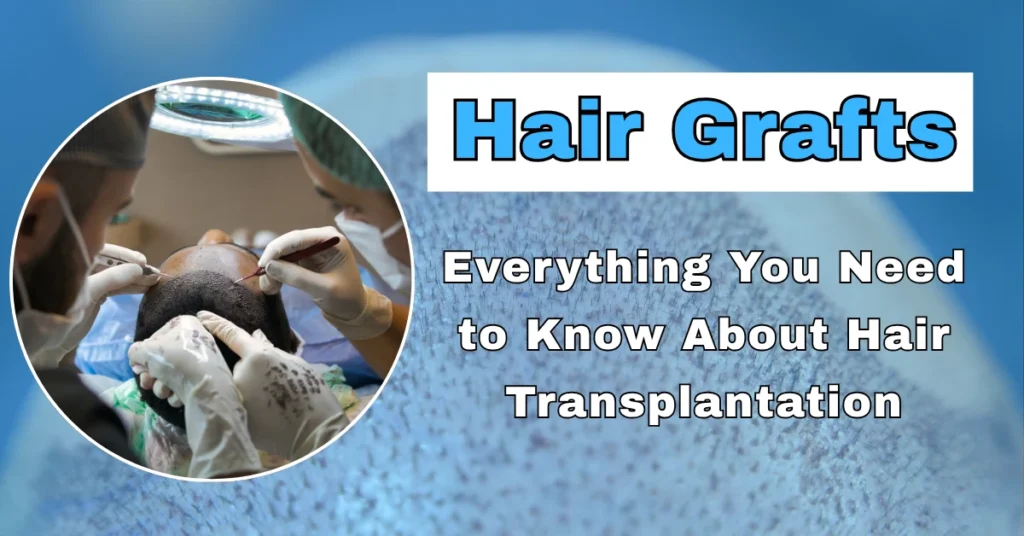
Hair Grafts: Everything You Need to Know About H air Transplantation

Hair Grafts: Everything You Need to Know About Hair Transplantation

Hair Grafts: Everything You Need to Know About Hair Transplantation is your complete guide to understanding how modern hair restoration works. If you’re struggling with thinning hair or bald spots, hair grafts offer a long-term, natural-looking solution for hair loss. A hair graft involves moving healthy hair follicles—usually from the donor area at the back or sides of your scalp—to bald or thinning zones known as the recipient area. This hair transplant procedure, commonly performed using advanced types of hair transplant techniques like follicular unit extraction (FUE) or follicular unit transplantation (FUT), helps rebuild receding hairlines, fill sparse areas, and restore confidence. It’s suitable for men and women dealing with androgenetic alopecia, aging, stress, or hormonal changes. Wondering how many hair grafts you’ll need or what your hair transplant expectations should be? This guide breaks down every aspect of the process — from consultation to recovery — to help you understand your options for hair regrowth and long-lasting results. Whether you’re exploring hair transplant surgeries, comparing MHI & DHI methods, or seeking a non-surgical solution to hair loss, this resource will give you the clarity you need before you take the next step. Understanding Hair Loss and the Role of Hair Grafts Hair loss affects millions of men and women globally. Whether triggered by genetics, hormonal imbalance, aging, or stress, the experience of seeing your hair thin or lose hair can deeply impact confidence. Luckily, medical science now offers proven treatments for hair loss — and one of the most effective is hair graft transplantation. In this guide, we’ll cover what hair grafts are, how different types of hair transplant procedures work, recovery details, costs, and frequently asked questions. If you’re considering a hair restoration surgery, this article will give you all the essential knowledge you need. What Are Hair Grafts? A hair graft is a small section of the scalp containing hair follicles, carefully taken from the donor site (usually the back or sides of the head) and implanted into the balding recipient area. Each hair graft generally contains 1–4 hairs. These transplanted hair follicles are genetically resistant to balding, meaning they’ll continue to grow even after relocation. Hair grafts are the foundation of hair transplant surgeries, serving as the building blocks for new hair growth and a natural appearance. Step-by-Step Hair Transplant Procedure The hair transplant procedure involves multiple steps and is performed under local anesthesia by an experienced hair transplant surgeon. Here’s what typically happens: 1. Consultation and Evaluation Your journey begins with a detailed assessment. The transplant surgeon examines your scalp, identifies the type of hair loss, checks the quality of your donor area, and decides whether you’re a good candidate. Factors like androgenetic alopecia, hair texture, and overall health play a role. 2. Designing the Hairline Next, the surgeon designs a natural hairline that complements your face and age. A realistic hairline is key to achieving a balanced and natural look after hair restoration. 3. Harvesting the Grafts There are several types of hair transplant techniques used to collect hair grafts: 4. Preparing the Recipient Area Tiny incisions are made in the recipient area following the natural growth pattern. Each transplanted hair is placed at the right angle and direction to ensure a realistic outcome. 5. Post-Procedure Care After the surgery, you’ll receive aftercare instructions — including how to clean your scalp, medications to prevent infection, and ways to promote healing and new hair growth. Types of Hair Grafts Each hair graft serves a unique role in achieving a balanced and natural appearance: Modern hair transplant surgeries often use a mix of these grafts to create a realistic blend across the scalp. Advantages of Hair Grafts Risks and Side Effects While modern types of hair transplant procedures are safe, a few risks exist: Choosing a qualified, experienced hair transplant surgeon ensures safety and optimal hair regrowth. How Many Hair Grafts Do You Need? The number of hair grafts depends on your type of hair loss, scalp area, and desired density. Norwood Scale (Hair Loss Stage) Estimated Grafts Required Stage 2 – Mild recession 500–1,500 grafts Stage 3 – Moderate recession 1,500–2,500 grafts Stage 4 – Hairline and crown thinning 2,500–3,500 grafts Stage 5–6 – Extensive baldness 3,500–5,000+ grafts A skilled hair transplant surgeon can use strategic placement to deliver full coverage even with fewer grafts. Cost of Hair Grafts The price of hair restoration varies by location, surgeon experience, and number of hair grafts needed: Some clinics charge per graft, typically $2–$10. While affordability matters, always prioritize the skill of the transplant surgeons over cost for the best hair transplant experience. Recovery and Hair Regrowth Timeline Ideal Candidates for Hair Grafts You’re a good candidate if you: Alternatives to Hair Grafts Not ready for surgery? Non-surgical treatments for hair loss include: While these may improve thickness, they cannot replace transplanted hair in bald areas. Frequently Asked Questions Q1: Is the hair transplant procedure painful?A: It’s performed under local anesthesia, so discomfort is minimal. Mild soreness may occur post-surgery. Q2: Are results permanent?A: Yes, transplanted hair from resistant donor areas typically lasts a lifetime. Q3: Can women undergo hair transplant surgeries?A: Absolutely. Hair restoration benefits both men and women dealing with thinning or bald spots. Q4: Will I need more than one session?A: It depends on your type of hair loss and density goals. Severe baldness may require multiple FUE hair transplantations. Q5: How soon will I see results?A: New hair growth usually begins by the third month, with full results appearing within a year. Final Thoughts Hair grafts provide a medically proven, long-term solution to hair loss. With advanced types of hair transplant procedures like FUE, FUT, MHI, and DHI methods, patients can now enjoy natural, permanent hair regrowth with minimal downtime. If you’re considering this treatment for hair loss, consult an experienced hair transplant surgeon, review before-and-after photos, and set realistic hair transplant expectations. A successful hair transplant experience can truly transform your appearance, restore your confidence, and help you enjoy a lifetime

Hair Grafts: Everything You Need to Know About Hair Transplantation Read More »

Natural-Looking Hairline Design: The Art of Hair Transplant at Vplant

When most people envision hair transplants, they have in mind restoring volume and density. But the real stamp of a successful procedure is in the hairline design. A natural-looking hairline is what distinguishes an obvious transplant from one that seamlessly integrates with your face.  At Mumbai-based Vplant Advanced Hair Clinic, with Dr. Amit Agarkar at the helm, hairline design is approached as much science as art. Every procedure is individualized, meaning the results not only replace hair but also create facial harmony and confidence. Why Hairline Design is So Important Your hairline encircles your face, and if it appears too straight, too low, or not natural, the outcome can be disappointing despite good density. Design is therefore as crucial as the procedure itself. At Vplant, each hairline is then meticulously designed to correspond to nature growth patterns, harmonize with the patient’s forehead size and facial shape, look age-related, and merge with native hair softly. The aim is always to have a soft, irregular, and natural appearance instead of a hard or artificial line. The Art and Science of Hairline Design Putting grafts is not just an issue of creating a natural hairline; it is all about balance and subtlety. Dr. Agarkar marries sense of aesthetics and medical accuracy to make each transplant as natural as possible. Each consultation begins with a thorough analysis of the patient’s face shape, forehead size, age, and lifestyle. This ensures the resulting hairline resembles the individual. Using advanced digital software, Vplant maps out a hairline blueprint pre-operatively in direction, angle, and density of grafting.The clinic employs advanced techniques such as FUE, DHI, and MHI, where every graft is placed under magnification in a way that mimics natural growth. Instead of placing hair in flat arrays, grafts are arranged in a feathered array, constructing density from front to back for a seamless transition. Technology’s Role in Hairline Perfection Technology itself is also at the center of creating natural hairlines. Surgeons at Vplant use high-magnification microscopes to work on grafts, specially designed implantation instruments for precise placement, PRP and stem cell therapy for optimizing growth, and 3D simulations to enable patients to see in advance the new hairline. This symbiotic combination produces predictable, long-lasting, natural-looking results. Male and Female Hairline Differences Hairline design also differs for males and females Men typically need an M-shaped or slightly receding hairline, fashioned to be mature yet balanced without appearing too low. Women tend to like softer, curvaceous hairlines that rest a bit lower and add fullness to the face. By adapting the method to gender disparity, Vplant guarantees effects that always appear natural for the client. Avoiding Common Hairline Mistakes in Design Most clinics err in ways that result in unnatural-looking outcomes, including making ruler-hairline straightness, setting them too low, or adding too much density only on the front. Vplant does not make these kind of mistakes through focusing on long-term naturalness. Every design is created with consideration of future hair loss progress, so the hairline still appears balanced and graceful as clients get older. Real Transformations at Vplant The changes at Vplant are self-evident. A 35-year-old male with temple recession was given 2,800 grafts and in six months had a natural M-shaped hairline with absolutely no scar or trace of surgery. A 42-year-old female was given hairline lowering surgery along with PRP therapy, and within a year, she had a softer, more voluminous border around her face that improved her youthful look. These testimonials are indicative of Vplant’s philosophy of science-informed, art-inspired outcomes. Why Aftercare Matters Designing and setting the hairline is only the beginning. Vplant provides PRP therapies to accelerate healing, customized medication programs to control ongoing balding, and regular check-ins to monitor progress. This complete care ensures all of its patients receive the best outcome from their procedure. Why Choose Vplant for Hairline Transplants Selecting Vplant is selecting experience, accuracy, and artistry. With Dr. Amit Agarkar’s 15+ years of experience, personalized hairline design, cutting edge technology, clear cost, and affordable-on-the-wallet medical tourist facilities for international patients, Vplant has become a leading name in hair reconstruction. Here, patients don’t only get back their hair—they get back their confidence. Conclusion A natural hairline is the essence of a successful hair transplant. It is a matter of skill, precision, and an artistic touch. At Vplant Advanced Hair Clinic, every hairline is designed to fit your face, age, and personality. If you are considering a hair transplant in Mumbai, choose a clinic that approaches hair restoration as much a science as an art. With Vplant, your outcome will always be natural, long-lasting, and confidence-inspiring. Frequently Asked Questions (FAQs) 1. Who is indicated for hair transplant?  Ideal candidates exhibit stable hair loss, healthy donor hair, realistic expectations, and good general health based on a consultation even if it was briefly. 2. How long does it take to see results?  New hair usually starts growing in 3 to 6 months and you will see fully visible results from 9 to 12 months. 3. Will I feel pain or discomfort?  Local anesthesia makes the process nearly pain-free, and any minor discomfort or swelling is a phase of the process, temporary and easily manageable. 4. What are the risks or side effects?  Mild swelling, redness or temporary loss of shock hair sometimes occurs but other side effects are rare with an experienced hair restoration surgeon. 5. How is the hairline designed for my face? The surgeon will consider your face shape, features and hair color to design a balanced hairline that looks appropriate and natural for your face. 6. Will the transplanted hair last forever?  Yes. Transplanted follicle hair is resistant to hair loss for the life of the hair, naturally occurring hair may thin in your later years. 7. Can I still do it if I have very little donor hair?  If you have very little hair for donor purposes, you may be limited in options, otherwise alternatives such as PRP or scalp micropigmentation may be explored.

Natural-Looking Hairline Design: The Art of Hair Transplant at Vplant Read More »

Why Baldness Occurs in Males: Causes, Myths & Solutions

Baldness is something that nearly every man is familiar with it can often come in the form of thinning hair or a receding hairline. The cause of baldness is mostly male pattern baldness which is caused by genetics and hormones (like DHT) that cause hair follicles to shrink over time. Other factors can worsen hair loss, including age, lifestyle factors like stress, poor diet, and some medical conditions. There are several superstitions to overcome. Some believe that wearing a helmet brings on baldness or that oiling your hair brings on baldness. However, the truth is baldness is mostly genetic. Thank goodness baldness can be managed. With modern treatments and lifestyle changes, even surgery, baldness can be managed. Men who accept baldness can come to a place within themselves to manage baldness confidently. What is Male Pattern Baldness? Male pattern baldness, or androgenetic alopecia, is the most widespread type of hair loss in men. Typically, male pattern baldness begins with either a receding hair line or thinning at the crown (top of the head), and it will eventually arrive at partial or complete baldness levels.  Male pattern baldness is a long-term and progressive type of baldness that is different from temporary hair fall caused by stress or illness. The most prevalent cause of male pattern baldness is simply the follicles that go from producing normal hair to periods of producing then wasting away hair over time as well as becoming more sensitive to a hormone, dihydrotestosterone (also known as DHT). Hair follicles are small “pockets” in your skin that hair grows from. Follicles that are sensitive to DHT will shrink and produce less hair until that follicle will no longer produce hair again. Main Causes of Baldness in Male Genetics Heredity is the strongest cause of baldness in men. If baldness is a trait in your family (on either your mother’s or father’s side), the likelihood that you’ll also have baldness is higher. Baldness that is genetically determined is called androgenetic alopecia (male pattern baldness). You are given genes that determine how sensitive your hair follicles are to DHT (dihydrotestosterone, a hormone that diminishes the hair follicles). The sensitivity to DHT decreases the hair growth cycle over time, leading to thinner hair that can lead to bald spots. Hormones Testosterone, the male sex hormone, turns into a more potent form called DHT. In men with a genetic predisposition, DHT attaches to receptors at the hair follicles and causes the follicles to get smaller. As the follicles continue to get smaller, they produce weaker, shorter strands of hair until they stop producing hair altogether. This is why hormones are one of the biggest triggers of male baldness. Age The possibility of male (or androgenic) pattern baldness increases with age. About 25% of men show early signs of male pattern baldness before the age of 21. Early signs are as simple as a receding hair line or thinning crown; by age 50, about half of men have some significant loss of hair and about age 70, 70% of men have male pattern baldness. The hair growth cycle slows as we age, producing finer hair strands, and the most common signs of baldness show up. Lifestyle & Environmental Factors Your habits and environment can accelerate hair loss. The most common lifestyle factors affecting hair loss are: Stress & Anxiety: Stress in your life may lead to telogen effluvium, where hair follicles stop producing hair and enter the resting phase.  This process can lead to sudden shedding. Poor Diet: Either due to a poor diet or some other deficiency (a lack of protein, vitamins [especially Vitamin D, B12, or Biotin], iron, and minerals), hairroots are weakened. Smoking and Alcohol: Smoking is known to reduce blood flow to the hair follicles, while alcohol is linked to nutrient deficiencies if excessive. Poor Sleep: Not having 7-8 hours of sleep can neutralize hormone balances which can even indirectly reduce hair loss! Medical Conditions & Medications Certain medical problems and treatments can play a main role in male baldness. Thyroid disorders, whether overactive or underactive, can lead to thinning hair on the scalp. Autoimmune diseases such as alopecia areata activate the immune system to attack hair cavities resulting in patchy bald spots. Infections such as scalp ringworm can weaken or kill the root of hair and result in shedding. Additionally, numerous medications or treatments, such as chemotherapy, drugs used for heart disease, high blood pressure, or depression, or extended use of steroids; are also noted as the cause of temporary or even permanent hair loss problems. These health-related factors may exacerbate baldness beyond genetics or age Stages of Male Baldness Stage 1: No Significant Hair Loss At this stage, there is no visible hair loss. The hairline looks full and natural, although some men may start to notice a hint of thinning at temples. Stage 2: Mature Hairline  The hairline has receded slightly, usually around the temple area, giving it a slight “M” shape. This is sometimes referred to as a “mature hairline.” This is a form of normal aging, and would not be classified as true baldness. Stage 3: Early Baldness  The receding hairline is now more noticeable, showing more depth of the “M” or “U” shape on the temples. Some men may also notice their hair thinning in the crown (top of head area). Stage 3: Vertex  This is an example of a stage 3 presentation where you can see thinning of hair loss occurring in the crown (vertex) area while the front hairline still appears full. Stage 4: Moderate Hair Loss  The receding hairline and thinning crown area are more obvious to the observer. At this stage there are still two bald spots on the head, with a strip of hair across the scalp still uninvaded by the baldness area. Stage 5: Significant Hair Loss  The hairline and crown bald spots have diffused into larger areas, and the strip of hair separating the two bald spots is narrowing. The bald areas are close to merging.

Why Baldness Occurs in Males: Causes, Myths & Solutions Read More »

Tips for Hair Transplants Aftercare: Maximizing Recovery

Undertaking a hair transplant marks a considerable turning point in regaining your hair alongside your self-assurance. Equally as important as how a surgeon performs the procedure is the aftercare, since post-care is a significant factor in the results. Following aftercare guidelines can make certain the transplanted hair grafts heal securely and grow appropriately. This guide will aid in informing the steps that ensure a smooth recovery and optimal results.  Timeline for Recovery  Gaining familiarity with the recovery timeline allows you to better manage your expectations and prevent undue stress. In the initial days post surgery, your scalp will likely be tender and already showing redness along with swelling, with tiny scabs developing around each transplanted follicle. This is all part and parcel of normal healing. During the initial week, your main focus should be to safeguard these delicate grafts from any disturbances. By week two, most scabs will clear on their own, and the swelling will reduce. Around week four to five, mild shedding is likely with some transplanted hairs. This process is known as “shock loss” which is completely normal. New hair growth generally starts around the three month mark, progressively improving for up to a year. The Initial Days: Safeguarding the Grafts The first seventy-two hours after a hair transplant are the most important for care. During the first three days, the moved follicles are most susceptible to movement, friction, pressure, and indeed any form of strain. It is critical not to touch, scratch, or rub the scalp, no matter how itchy or taut it feels. Elevating the head during sleep reduces swelling, sunlight and dust irritation, and scalp sunlight exposure. Outdoors, a loose, clean cap which does not compress the scalp can be worn. Strenuous physical activities should be avoided during this timeframe, since they lead to perspiration and raised blood pressure which are not conducive to healing. Gentle Washing and Scalp Care  Hair care after a transplant surgery is a meticulous process. Most practitioners suggest a waiting period of 48 to 72 hours before attempting to wash the hair. When it’s time to wash, lukewarm water and a sulfate-free shampoo should be used to mitigate irritation. The scalp should not be scrubbed; rather, dry shampoo foam should be positioned on the scalp with the use of fingertips. During rinse, the water should be allowed to flow naturally, avoiding strong pressure. Post wash, the hair should be dried gently and ideally allowed to air dry. The patient’s regimen should be maintained for the first two weeks, after which, and depending on the doctor’s advice, normal hair care practices can be gradually reintroduced. Controlling Soreness and Swelling Mild soreness and swelling are commonplace after a hair transplant, especially around the forehead area. These symptoms are transient and usually resolve within a few days. It is essential to adhere to your surgeon’s direction on medications. Painkillers will relieve soreness, and antibiotics will reduce the chances of infection. For forehead swelling, cold compresses are useful, but they must never be put directly on the grafted areas. Balanced diet, proper hydration, rest, and the aforementioned measures will be effective in recovery, and further sustain the maintenance of healthy hair growth. Practices to Steer Clear of for Optimal Outcomes Some habits may not be conducive to achieving positive results. Smoking and drinking during the early recovery phase must be avoided. These habits decrease blood flow to the scalp, which is vital during the healing phase. Swimming, both in chlorinated pools and in the sea, should be avoided for at least a month to prevent irritation and infection.During the recovery phase, tight caps and helmets should also be avoided as they can increase friction and trap heat on the scalp. Even beyond the initial recovery phase, it will be essential to avoid scratching and picking at the scalp to avoid harm to both the transplanted hair and the existing hair. Long-Term Care for Sustaining Healthy Hair After the initial healing stage, the focus shifts to maintaining a nurturing environment for hair to flourish. In this stage, a well balanced diet will help to a certain degree, but gentle hair care products that are free from chemicals can help maintain a clean and healthy environment to a large extent. After gaining your doctor’s approval, light scalp massages will enhance blood circulation to the area, which is already improved, and help with hair growth. In this stage, your surgeon might suggest some therapies or supplements that can enhance the outcomes. In this stage, persistent follow ups are essential to ensure that the patient’s concerns are effectively handled and there are no underlying problems. Exercising Patience Helping achieve the desired outcome is exercising patience. After a surgical procedure, hair growth is a slow and timely procedure. It will take a few months for some dynamic changes to be visible. In the first few weeks of hair growth, shedding is a common occurrence, and will be followed slowly by new hair growth. Significant improvement can be experienced by the sixth month and the full change will surface between 9 to 12 months. In this stage it is essential to continue to follow the surgeon’s guidance, maintain scalp hygiene, and trust the process to achieve the best and lasting outcomes. Conclusion  The process of hair restoration begins with a hair transplant procedure, which is most effective with proper aftercare. With regard to the protection of the grafts, gentle hair washing, controlling pain, refraining from maladaptive practices, and maintaining and adopting a healthy lifestyle, the hair that is transplanted will thrive. While the process is demanding, it yields a tremendous and often exceeding the anticipated result of a natural and confident look for many years.

Tips for Hair Transplants Aftercare: Maximizing Recovery Read More »

Hair Graft Surgery in India: Cost, Procedure & What to Know Before You Start

Losing hair can be emotionally painful, especially for one’s confidence and self-image. To resolve this challenge, a growing number of people in India are electing to have hair transplant surgery. One of the most asked questions in this regard is, what is the price of a hair transplant in India? In the following article, we explain hair graft surgery costs and other related issues, as well as the various stages you can expect in your restoration journey. What is Hair Graft Surgery?  Hair graft surgery is a type of cosmetic surgery which is defined by the process of moving hair follicles from a donor area of the scalp to a bald area. Most patients undergoing the procedure receive satisfactory and long lasting results. Regardless of the advantages of undergoing hair graft surgery, the expenses seem to have an impact on the decision-making process of people who are thinking of this procedure.  In this case, the expenses of hair graft surgery are determined by a number of factors, some of which are the number of grafts, clinic’s image, experience of the surgeon, and the method used. While searching for clinics in India, it is important to understand these factors to ensure value for money.  Average Hair Transplant Cost in India  Unlike some Western countries, the price of hair transplants in India is relatively lower. Here, the price is based on the complexity of the procedure and the number of grafts. Hair transplants in India can range from ₹30,000 to ₹150,000 or even higher. For the ones wondering “What is a good price in India for hair transplants?”, it eventually depends on the level of baldness someone has. A hair transplant operation has multiple expenses, including the pre-surgery consultation fee, the tests conducted before the surgery, the operation itself, and the prescribed medicine after the surgery. Certain clinics do have packages that help lower the surgery’s overall expenses.  Things to Note that impact the Pricing of Hair Graft Surgery  The following things need to be kept in mind as they impact the overall cost of the hair graft surgery:  Amount of Grafts Needed  The amount of grafts required influences the extent of baldness, and as baldness increases, the cost of hair grafts also increases. If someone needs around 2000 to 3000 grafts, the cost of hair grafting will be significantly high. Types of Hair Transplants   There are several methods of hair transplantations, these include hair follicle extractions FUE, follicular unit transplantations FUT, and Modified Hair Implantation -MHI / Direct Hair Implantation DHI. MHI / DHI, along with FUE, are more expensive than FUT because they are advanced methods of surgery. Location and Infrastructure of the Clinic   Still, the clinics furthest located in the metro cities like Delhi, Bangalore, and Mumbai, are packed with patients. Even with the steep operational and transplant costs, the quality of service these clinics offer in these cities is unmatched, and is usually much lower than the prices charged in America and Canada.  The Surgeon’s Background  The more experienced and skilled surgeons hike their fees due to the high demand. While this raises your hair graft service price, it gives a guarantee on good outcomes and fewer problems while dealing with possible challenges post surgery.  Offered Follow-Up Care   Most clinics offer follow-up consultations, therapy sessions like PRP, and specialized aftercare. Although these services increase the total cost of hair transplant, they are worth the long-term investment because they ensure efficient results. What Are the Costs of a Hair Transplant in India Compared to Other Countries?  Out of all the countries in the world an Indian hair clinic’s services are really cheap in comparison to other countries. In the Western world, a hair transplant can cost anywhere from ₹300,000 to ₹1,000,000. Indian clinics, however, have sought to level the playing field by offering quality treatment at a fraction of the price. Therefore, if you have been searching for how much a hair transplant costs in India, the simple answer is that it is affordable.  This is the primary reason India became a travel destination for overseas patients—not only because of the low expense of a hair transplant but also due to the experienced surgeons and their higher success rates. The hair graft surgery cost in India is fairly reasonable, while maintaining global standards of hygiene and care.  What Hair Grafting Prices Should You Expect?  When looking at the price of hair grafting some may ask whether the price is reasonable. Everyone understands the services of hair repossession are not designed to be short-term solutions. The services offer a permanent solution to a customer’s hair problems. In the long run, the hair transplant expense offers far more value compared to the alternative of hair maintenance with expensive topical products, wigs, and other nonsurgical methods. With recent advances, professionals are alleviating the problems of hair loss and low self-esteem, enabling a successful metamorphosis. The cost of hair grafting is an investment of sorts, but the contemporary methods available make the outcomes truly rewarding. Hair Transplant How to Reduce Spending Without Sacrificing Quality While going from clinic to clinic to gather quotes is incredibly monotonous, it is the only way to get a fair deal. The price for hair graft surgeries varies from clinic to clinic, and both extremes are unjustified. Quite often in these situations, the cheaper option ends up with a greater loss because the clinic had to cut corners to run on such low prices. Great prices might be appealing at the start, but the sums can rise dramatically with all the hidden add-ons. If the customer does not check what is included in the base price, these fees can spiral out of control. Always ensure the clinic provides a detailed breakup for all quote line items so that you can exactly see how the cost compares to others. Surgeons in smaller tier two cities offer their services at a remarkably lower cost, providing a great advantage for budget-friendly care. An increasing number of trained professionals are assisting

Hair Graft Surgery in India: Cost, Procedure & What to Know Before You Start Read More »

Best Eyebrow Hair Transplant Clinic in Mumbai

Best Eyebrow Hair Transplant  Clinic in Mumbai

Best Eyebrow Hair Transplant Clinic in Mumbai is a popular search among people looking for a permanent, natural fix for thin or patchy brows. Whether you’ve lost hair due to over-plucking, genetics, scarring, or medical conditions like androgenetic alopecia, expert hair transplant surgeons in Mumbai offer advanced hair restoration solutions using modern types of hair transplant techniques such as FUE (Follicular Unit Extraction), FUT (Follicular Unit Transplantation), MHI, or DHI methods. In these procedures, hair follicles are carefully removed from a donor area—often the back of the scalp—and placed precisely into the recipient area of your eyebrows to ensure a natural look. These hair transplant surgeries are designed to restore shape, thickness, and symmetry using real, growing transplanted hair. Thinking About Eyebrow Restoration in India? Start Here. If you’re dreaming of fuller, shaped eyebrows that look and feel natural, an eyebrow hair transplant may be the solution to hair loss you’ve been searching for. In a city like Mumbai—known for its leading-edge treatment for hair loss—you can access world-class clinics that specialize in hair regrowth and cosmetic hair transplant procedures for both men and women. Understanding the Eyebrow Hair Transplant Procedure This cosmetic hair restoration process is ideal for those who lose hair in their brow area due to age, hormones, injury, or genetics. It’s one of the more targeted types of hair transplant surgeries, offering precise and natural outcomes. How It Works During the procedure, your transplant surgeon extracts healthy hair grafts from a donor site, usually the back of your head. These follicles are then implanted in the brow area with attention to direction, angle, and density—mimicking natural eyebrow growth. Depending on the type of hair loss, your surgeon may choose between FUE hair transplantations, FUT, DHI, or MHI techniques to suit your case best. Benefits of Eyebrow Hair Transplants Why Mumbai for Eyebrow Transplants? Expert Hair Transplant Surgeons Mumbai is home to highly trained transplant surgeons experienced in eyebrow restoration and other types of hair transplant procedures. They stay current with the latest technologies in hair transplant techniques, including MHI, DHI, FUE, and FUT. Affordable but High-Quality Compared to Western countries, eyebrow hair transplant procedures in Mumbai are far more budget-friendly—without cutting corners on quality. It’s a smart choice for locals and international clients looking for a long-term solution for hair loss. Complete Support Top clinics offer everything from initial consultations to post-op care. They ensure that you’re informed, comfortable, and supported at every step—from preparing for your hair transplant surgery to monitoring your new hair growth. Eyebrow Transplant: What to Expect Consultation Your journey begins with a one-on-one consultation where the hair transplant surgeon assesses your type of hair loss, discusses your goals, and crafts a customized plan. Procedure Day On the day of the surgery, the donor area is numbed with local anesthesia. Your doctor will extract healthy hair grafts and transplant them to the brow zone. The process usually takes a few hours. Recovery Expect mild redness or swelling around the recipient area, which fades in a few days. You’ll receive clear instructions on how to care for your brows to ensure successful hair regrowth. How to Choose the Best Eyebrow Hair Transplant Clinic in Mumbai Check Clinic Reputation Look for reviews and before-after photos. Real feedback tells you a lot about the clinic’s success rate and how patients felt about their hair transplant experience. Surgeon Credentials Make sure the clinic employs skilled transplant surgeons with proven expertise in hair transplant procedures, especially for brows. Clean, Modern Facilities A clean, well-equipped clinic means safer surgeries and better results. Check for modern tools and international hygiene standards. Strong Aftercare A good clinic doesn’t stop caring after the surgery. Post-op support is key to proper healing and successful hair regrowth. Conclusion: Why Mumbai Is the Ideal Destination for Eyebrow Hair Transplants When it comes to choosing the right place for your eyebrow hair transplant procedure, Mumbai stands out as a top-tier destination. The city is renowned for its pool of expert hair transplant surgeons, most notably Dr. Amit Agarkar, who is celebrated for delivering consistent, natural-looking results and personalized care. Mumbai also leads in innovation, offering cutting-edge techniques like Modified Hair Implantation (MHI) and Direct Hair Implantation (DHI), which ensure more precise, efficient, and minimally invasive treatments. These advancements translate to faster recovery, less discomfort, and more refined aesthetic outcomes. Beyond medical excellence, Mumbai’s appeal as a vibrant tourist hub makes it a smart choice for medical tourism. With top-tier infrastructure, comfortable recovery options, and affordable treatment packages, patients can combine world-class care with a relaxing, memorable experience. From affordability and expertise to technology and recovery support, Mumbai offers everything you need for successful, natural-looking hair restoration. It’s more than just a city—it’s a complete solution for your eyebrow transplant journey.

Best Eyebrow Hair Transplant  Clinic in Mumbai Read More »

The Ultimate Guide to Hair  Transplant Aftercare The Dos and  Don ts for Optimal Results

The Ultimate Guide to Hair Transplant Aftercare: The Dos and Don’ts for Optimal Results is your go-to resource for healing smarter—not harder. Whether you’re preparing for a hair transplant procedure or recovering from one, this guide walks you through the critical aftercare phase that impacts your long-term success. From how to clean your scalp to the best sleeping positions, each tip helps avoid mistakes that can slow down hair regrowth or affect your transplanted hair. Designed for real people seeking real answers, this guide is especially helpful for anyone undergoing FUE hair transplantations, Follicular Unit Transplantation (FUT), DHI, MHI, or other types of hair transplant techniques. We’ll cover post-op routines, hair transplant expectations, and ways to support new hair growth naturally. If you’re searching for treatment for hair loss, insights into the types of hair transplant procedures, or guidance after meeting with a hair transplant surgeon, this guide helps you move forward with clarity and confidence. Because the success of your hair restoration depends not just on surgery—but on smart aftercare. Why Aftercare Matters in Hair Transplant Surgeries Having a hair transplant is a big decision. It’s more than filling in bald spots—it’s a confidence boost and a solution to hair loss that many men and women pursue for both appearance and self-esteem. But the outcome of hair transplant surgeries doesn’t rely only on the skill of transplant surgeons. Your results depend just as much on how you care for your scalp and donor site afterward. Proper aftercare protects your hair grafts, prevents complications, and encourages new hair growth in the recipient area. It also minimizes the risk of infections, speeds up healing, and enhances the look and feel of your transplanted hair. Whether you’ve chosen follicular unit extraction (FUE), FUT, MHI, or DHI, your hair transplant experience is shaped by what you do once you leave the clinic. The First 24 Hours: Protecting Your Donor and Recipient Areas Right after your hair transplant procedure, your scalp is sensitive and vulnerable. Here’s what to prioritize during those first crucial hours: First Few Days: Gentle Care for Long-Term Results During days 2–5, your job is to protect the transplanted hair and support healing: By the End of Week One: Managing Hair Shedding & Recovery Most swelling fades within the first 7 days. But don’t be alarmed if your transplanted hair starts to shed—this is totally normal. Second Week: Preparing for New Hair Growth During week two, hair regrowth hasn’t started yet—but it will. Your hair follicles are simply entering a resting phase. Long-Term Care: Supporting Hair Restoration Over Time Once the healing period is behind you, your focus should shift to protecting your results for the long term: If you notice redness, irritation, or discomfort, don’t self-diagnose. Always consult your clinic for trusted solutions. Special Note for FUT Patients If you had Follicular Unit Transplantation (FUT), healing is slightly different due to the linear incision on the donor area: What’s in a Hair Transplant Aftercare Kit? Your surgeon may recommend a kit. Typical essentials include: Final Thoughts: Great Hair Takes Great Care Whether you’re addressing androgenetic alopecia, looking for a solution for hair loss, or treating a specific type of hair loss, your commitment to aftercare defines your results. Smart choices during healing make all the difference in your hair transplant expectations and the appearance of your final results. With guidance, patience, and a little care, your hair transplant experience can be everything you hoped for—and more. You’re not just recovering—you’re restoring confidence, revitalizing your look, and reclaiming the hair you love.

The Ultimate Guide to Hair  Transplant Aftercare The Dos and  Don ts for Optimal Results Read More »