image

Vplant Hair Clinic

The Journey To Luscious Locks Tracking Hair Transplant Growth Over Time

The Journey To Luscious Locks Tracking Hair Transplant Growth Over Time is your personal roadmap to understanding how your new hair takes shape after a hair transplant procedure. Whether you’re fresh from surgery, researching your options, or simply curious, this journey offers a clear picture of how transplanted hair grows across days, weeks, and months. It’s perfect for anyone navigating the hair transplant experience, especially those seeking a solution for hair loss that feels real, achievable, and personal. This guide breaks down each phase—from post-op healing to visible new hair growth—so you know exactly what to expect. Shedding? Totally normal. Soft regrowth? A great sign. Understanding these stages helps manage hair transplant expectations, lowers stress, and brings clarity to what can feel like an emotional rollercoaster. If you’re searching for hair transplant growth stages, hair restoration progress, or the types of hair transplant procedures available, this guide keeps it real, hopeful, and helpful—for men and women alike dealing with bald spots or androgenetic alopecia. A Real Solution to Hair Loss That LastsLosing hair can feel devastating, affecting both how you look and how you feel. But the growing popularity of hair transplant surgeries offers a long-term solution to hair loss that’s more effective and natural-looking than ever before. Thanks to advancements in types of hair transplant techniques like Follicular Unit Extraction (FUE), Follicular Unit Transplantation (FUT), Direct Hair Implantation (DHI), and Modified Hair Implantation (MHI), people have real choices that fit different types of hair loss and lifestyle needs. A skilled hair transplant surgeon today carefully selects the most suitable approach for your needs, harvesting hair follicles from a strong donor area—usually located at the back or sides of the scalp—for optimal, natural-looking results. and implanting them in thinning or bald zones, known as the recipient area. This not only ensures permanent results but blends seamlessly with your natural hair pattern. Why It’s Worth ItHere are a few life-changing benefits you can expect: Hair Transplant Growth Timeline – What To ExpectKnowing what happens post-op helps you stay calm and informed. Here’s what the typical timeline looks like: 📅 Week 1: Mild redness and swelling are normal. The donor site and recipient area are healing, so be gentle and follow your hair transplant surgeon‘s care instructions. 📅 Week 2: Scabs start falling off naturally. Don’t pick them—it could harm your hair grafts or delay healing. 📅 Month 1-2: Shedding may occur. This “shock loss” is temporary and expected. At this stage, your hair follicles are going through a natural reset, preparing to shift into the active growth phase where visible hair regrowth begins. 📅 Month 3: Still no visible changes? That’s okay. It’s common to worry about “3 months after hair transplant no growth”, but trust the process. 📅 Month 4-6: Early hair regrowth begins. Some hairs appear soft or thin—this is completely normal. It’s the start of your transformation. 📅 Month 7-9: As the process continues, hair thickens more visibly, and the recipient area gradually fills out, giving you a denser and more defined appearance. You’ll start seeing significant aesthetic improvements. 📅 Month 10-12: Fuller coverage and real confidence. Your transplanted hair feels stronger and looks completely natural. 📅 After 12 Months: Your final result is near. Hair density improves even more, and your hair transplant experience pays off with a natural, healthy appearance. Tips for Long-Term Success Track Your TransformationTaking photos every few weeks helps you see progress you might otherwise miss. It also allows your clinic to evaluate how well the hair transplant procedure is working and suggest tweaks if needed. Whether you’ve just booked your consultation or are deep into your healing phase, remember this: every stage of hair restoration is part of a meaningful, lasting change. With the right treatment for hair loss, guided by expert transplant surgeons, you’re not just growing hair—you’re growing your confidence, identity, and sense of self. So be patient. Trust the timeline. And get ready for the luscious locks you’ve always dreamed of.

The Journey To Luscious Locks Tracking Hair Transplant Growth Over Time Read More »

Rooted for Life Unveiling The Long-Term Results of Hair Transplants

Rooted for Life Unveiling The Long-Term Results of Hair Transplants reveals what truly happens years after undergoing a hair transplant procedure. If you’re thinking about restoring a receding hairline or thinning crown, this is likely your biggest question: does it really last? The answer is yes—when done right. Today’s advanced types of hair transplant techniques like Follicular Unit Extraction (FUE), Follicular Unit Transplantation (FUT), Direct Hair Implantation (DHI), and Micro Modified Hair Implantation (MHI) make it possible to enjoy permanent hair restoration that looks and feels natural. This guide is for anyone seeking real, long-term results—not a temporary fix. You’ll discover what to expect at 1, 5, and even 10 years post-surgery, including tips for caring for your new hair growth and maintaining results. Whether you’re searching for hair transplant expectations, types of hair transplant procedures, or just a trusted solution for hair loss, this journey provides clarity and hope. Because restoring your hair should mean reclaiming your life—for good. Understanding Hair Transplant Surgeries A hair transplant involves moving healthy hair follicles from a donor area—usually the sides or back of the scalp—to a recipient area where hair is thinning or absent. This technique is a reliable solution to hair loss, especially for those experiencing androgenetic alopecia, also known as male or female pattern baldness. It’s effective for both men and women who want a lasting treatment for hair loss. Types of Hair Transplant Procedures There are several types of hair transplant options available: Your type of hair loss, individual hair quality, and personal goals all play a role in choosing the right technique that suits you best.  A skilled hair transplant surgeon or transplant specialist can recommend the best method during your consultation. Post-Procedure: What to Expect Right after your hair transplant experience, you may see swelling, redness, and scabbing in the treated areas. These side effects are temporary, usually resolving within two weeks. Following proper care, exactly as your transplant surgeons recommend, plays a crucial role in healing your scalp and boosting healthy hair regrowth. Don’t be alarmed by “shock loss,” a common part of the process where some transplanted hair may fall out within the first month. It’s just the follicles entering a natural resting phase before producing permanent, healthy strands. The First Year: Transformation in Progress The first 12 months after your hair transplant procedure are full of transformation. Early new hair growth may be fine and patchy, but by six to nine months, you’ll notice stronger, fuller hair that blends well with your natural strands. Most people experience a major confidence boost as their appearance improves. Around the one-year mark, results become fully visible—your transplanted hair looks natural, thick, and is virtually indistinguishable from the rest of your scalp. Long-Term Results of Hair Transplants The magic of hair transplants lies in their long-term effect. Because hair grafts taken from the donor area usually resist the hormones responsible for hair thinning, they tend to remain permanently. After the first year, hair continues to thicken and improve in texture, requiring no special care—just your regular grooming routine. This lasting success is what makes hair transplants such a powerful treatment for hair loss. The goal isn’t only to regain hair—it’s to ensure you’re keeping it for the long haul. Real Stories, Real Results Many share their personal journeys, proving the life-changing power of hair restoration: These stories show that whether you’re a man or woman, the right hair transplant technique can truly transform your look—and how you feel about yourself. Managing Hair Transplant Expectations Hair transplants often deliver excellent results, but achieving satisfaction depends on setting realistic goals from the start. In cases of severe hair loss, multiple hair transplant surgeries may be needed over time, making it important to explore these options during your consultation. Your hair transplant surgeon will assess your scalp, review your type of hair loss, and suggest the best plan to match your needs and long-term goals. The Takeaway: A Permanent Solution to Hair Loss Hair transplants aren’t just cosmetic—they’re a deeply personal solution to a frustrating issue. With modern techniques like FUE, FUT, DHI, and MHI, and experienced transplant surgeons, the chances of achieving thick, natural-looking hair are better than ever. The journey may require patience, but the reward is worth it: a full head of hair that stays with you for life. If you’re searching for a solution to hair loss, this might be the most permanent, reliable, and confidence-restoring option available. Say goodbye to temporary fixes. Say hello to hair that’s rooted for life.

Rooted for Life Unveiling The Long-Term Results of Hair Transplants Read More »

Post Hair Transplant Care When Can I  Wash My Hair Normally After  Hair Transplant

Post Hair Transplant Care When Can I Wash My Hair Normally After Hair Transplant is a common question for anyone navigating the recovery process after undergoing hair transplant surgeries. Whether you’ve chosen Follicular Unit Extraction (FUE), Follicular Unit Transplantation (FUT), or newer methods like MHI / DHI , knowing when and how to wash your hair is crucial. Proper care protects your hair grafts, encourages hair regrowth, and prevents complications. Typically, gentle rinsing can begin around day 3, but a full wash using mild shampoo is usually safe after 10–14 days. Sticking to your hair transplant surgeon’s aftercare timeline is essential for smooth healing and the best possible results. In the early stages, use a gentle, sulfate-free shampoo, and avoid direct water pressure to protect both the recipient area and donor site. This simple step supports the healing of transplanted hair and boosts new hair growth. If you’re wondering “how long after a hair transplant can I wash my hair,” know that thoughtful aftercare greatly impacts your long-term results. Being patient and consistent with your post hair transplant care sets the stage for stronger, fuller, and more natural-looking hair. Undergoing a hair transplant procedure can be a life-changing solution for men and women facing androgenetic alopecia, bald spots, or any type of hair loss. It’s not just a solution for hair loss—it’s a chance to regain confidence and self-esteem. From FUE hair transplantations to types of hair transplant techniques like FUT or DHI, the journey doesn’t end in the operating room. Remember, what you do after the procedure matters—post-surgery care holds just as much weight as the surgery itself when it comes to long-term success. One of the top concerns patients share with transplant surgeons is: “When can I wash my hair normally after a hair transplant?” The answer lies in how well you understand and follow aftercare, especially during the crucial early healing phase. In the first few days after a hair transplant experience, your scalp will be delicate. In the early stages, your newly placed hair follicles begin adapting to their new environment, and this period is critical for proper growth. This period is vital for healing and establishing strong hair restoration results. Proper washing and scalp care help avoid infection, reduce irritation, and create the right conditions for successful hair regrowth. It’s completely normal to experience mild redness, swelling, or discomfort within the first week. This healing response varies based on the type of hair transplant performed. It’s critical during this time to stick closely to your hair transplant aftercare routine as outlined by your surgeon. In the first 48 hours post-surgery, you shouldn’t wash your hair at all. Your hair grafts need time to settle securely into the recipient area. Instead of washing, you can gently dab your donor area and scalp with a clean, damp cloth to keep it clean. This ensures that you maintain hygiene without harming the delicate grafts. By day three, you can start washing your hair very gently. Use a mild shampoo—preferably one suggested by your clinic—and mix it with water before applying it to your scalp. Pour the diluted shampoo over your head and pat softly with your fingers. Be gentle while washing—avoid scrubbing or applying pressure to the transplanted hair to protect the grafts during healing. After a week, your scalp should begin to stabilize. At this point, you can wash more normally but should still avoid rough scrubbing. Continue with gentle, sulfate-free products to promote healthy scalp conditions and encourage long-term hair regrowth. Proper scalp care involves more than cleansing; taking care of your scalp goes beyond just washing and plays a big role in hair recovery. A solid routine boosts healing and supports new hair growth after any types of hair transplant procedures. Supporting your recovery also includes internal health: In the weeks following surgery, it’s normal to see transplanted hair shed—this is part of the natural hair growth cycle. Don’t worry. In a few months, new hair growth will begin, replacing the shed strands. Mild itching can also happen while healing. Avoid scratching. Instead, use a calming lotion or spray to relieve the itch without affecting the hair grafts. Swelling and redness should fade within days. If they don’t, talk to your doctor. If swelling appears, you can use a cold compress near—but never directly on—the recipient area to help calm the inflammation. In the end, proper care after hair transplant surgeries ensures the best outcome. Stick to your hair transplant surgeon’s advice, wash your hair gently, eat a balanced diet, and use recommended products. Patience during this healing period often leads to satisfying, long-lasting results. Every person’s journey is different. So if you ever feel unsure, reach out to your doctor for personalized guidance. Following your aftercare plan closely is the best way to turn your treatment for hair loss into a lasting success story—whether you’ve had FUT, FUE, MHI or DHI.

Post Hair Transplant Care When Can I  Wash My Hair Normally After  Hair Transplant Read More »

Platelet-Rich Plasma Does PRP Really Work for Hair Growth

Platelet-Rich Plasma Does PRP Really Work for Hair Growth is a question many men and women ask when they notice thinning hair or the early signs of bald spots. PRP, or Platelet-Rich Plasma therapy, uses a small amount of your blood—concentrating the platelets rich in healing factors—and injects it into the scalp to stimulate new hair growth. It’s a non-surgical, natural hair restoration method that’s become increasingly popular among people searching for a safe, minimally invasive solution for hair loss. So, does it work? While individual results vary, many people—especially those with androgenetic alopecia or early-stage thinning—see noticeable improvements in hair thickness, strength, and overall density. Compared to store-bought treatments, PRP works deeper by activating weakened hair follicles, encouraging hair regrowth in a more targeted way. If you’ve been researching options like non-surgical hair restoration, or asking about a solution to hair loss, PRP is a science-based, safe treatment worth exploring—especially with a skilled hair transplant surgeon or specialist in treatment for hair loss. In recent years, Platelet-Rich Plasma (PRP) has gained attention as a promising solution to hair loss. From celebrities to everyday people, many have turned to this approach to regain their confidence and restore natural-looking hair. But does PRP really work for hair growth? Let’s break it down. What Is PRP and How Does It Work? When undergoing treatment, it’s important to understand that PRP is a concentration of platelets and growth factors extracted from your blood, designed to support tissue regeneration and stimulate hair growth naturally. These growth factors, like PDGF and TGF, play a big role in tissue repair and regeneration—including waking up dormant hair follicles. When injected into thinning areas, PRP boosts blood flow, stimulates new hair growth, and improves the strength of existing strands. This regenerative boost supports the recipient area, potentially reversing the miniaturization process that happens in conditions like androgenetic alopecia. The PRP Process: Step-by-Step Here’s what a typical PRP hair restoration session looks like: The procedure usually takes under an hour, and since it uses your own cells, the risk of side effects or allergic reactions is very low. Most people return to daily activities right after—making it a convenient option. PRP Benefits: What You Can Expect PRP treatments aim to: Although not everyone is an ideal candidate—particularly those with extensive hair loss—people in the early stages of thinning often find PRP useful when paired with other types of hair transplant techniques or maintenance therapies. What Does the Research Say? Studies back up the potential of PRP for hair restoration. For example, the Journal of Dermatology found significant hair regrowth in participants treated with PRP versus those who weren’t. The International Journal of Trichology reported improved hair follicle density in people with androgenetic alopecia after PRP sessions. Results aren’t instant and require consistency. Multiple sessions build on each other, and effects are often visible after 2–3 months. As with any treatment for hair loss, setting realistic hair transplant expectations is essential. PRP vs. Hair Transplant: Can They Work Together? While PRP can be effective on its own, it’s often used to complement types of hair transplant procedures like: FUE hair transplantations are often combined with PRP to support quicker healing and better hair regrowth. A good transplant surgeon might suggest PRP as part of your aftercare plan to strengthen the outcome of your hair transplant experience. Who Should Consider PRP? PRP therapy is best suited for people who: Those with scarring alopecia or certain medical conditions might need a different approach, so always consult with a certified specialist. Real People, Real Results Many individuals—men and women alike—report thicker hair, better coverage, and less shedding after just a few sessions. Testimonials often highlight minimal downtime and the natural feel of transplanted hair or regrown strands. When combined with healthy habits and follow-up care, PRP can offer a real boost in both appearance and self-esteem. Final Thoughts Platelet-Rich Plasma Does PRP Really Work for Hair Growth? For many, yes. It’s not a miracle overnight solution, but it’s a scientifically backed, natural option that helps restore confidence and improve hair health. Whether you’re exploring PRP therapy, types of hair transplant, or simply researching a better solution to hair loss, make sure to speak with a qualified hair transplant surgeon to find the best path forward.

Platelet-Rich Plasma Does PRP Really Work for Hair Growth Read More »

Moustache Hair Reconstruction – A Reliable Solution to Hair Loss in the Facial Region

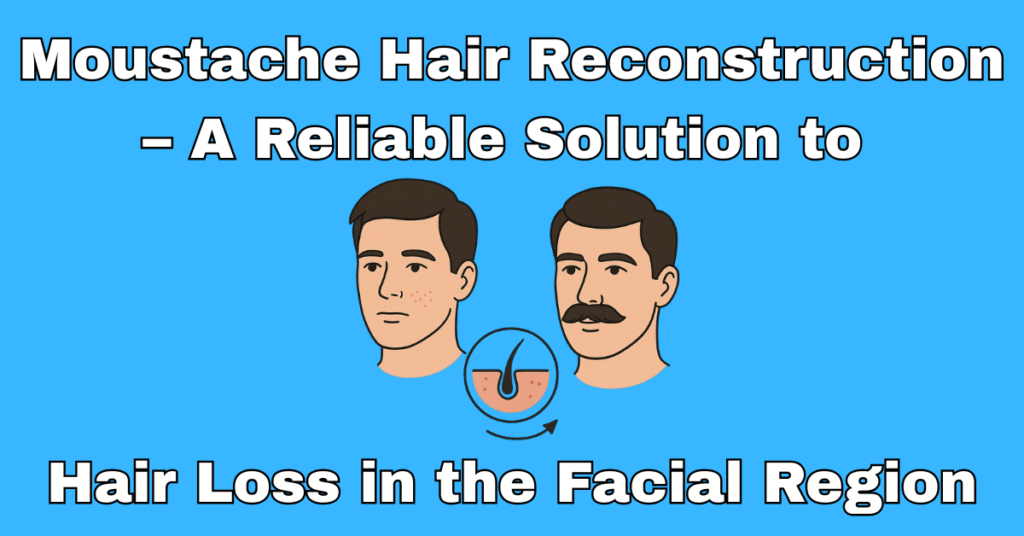
Moustache Hair Reconstruction offers a practical and long-term solution for hair loss affecting the upper lip. This treatment for hair loss is perfect for men and women who have sparse, thin, or patchy moustache hair caused by genetics, scarring, or medical conditions such as androgenetic alopecia. One key factor to understand is the Hair Transplant Growth Timeline, which helps you know what to expect before and after the procedure. This hair transplant procedure uses advanced types of hair transplant techniques, like Modified Hair Implantation (MHI / DHI), follicular unit extraction (FUE), where experienced transplant surgeons remove healthy hair follicles from a donor site—typically the back of the scalp—and place them into the recipient area, which in this case is the upper lip. Over time, the transplanted hair begins to grow naturally, giving you a fuller, more balanced moustache. This modern hair restoration method can enhance your appearance, cover bald spots, and restore facial harmony—all with minimal downtime and excellent, long-term results. Why More People Are Choosing Moustache Transplants There’s been a growing interest in facial hair transplant surgeries, especially moustache hair reconstruction. Many people face challenges in growing an even, symmetrical moustache due to: Thanks to improvements in types of hair transplant procedures, even small or sensitive areas of the face can now be treated successfully. Whether you’re looking to improve appearance or correct patchy growth, this approach offers a personalized and lasting solution to hair loss. What Is a Moustache Transplant? A moustache transplant is a type of hair transplant procedure that involves moving hair follicles from a donor area—typically the back or sides of the scalp—to the upper lip. Like beard and eyebrow transplants, this is a specialized form of hair restoration and is performed by a qualified hair transplant surgeon. Using advanced tools and careful planning, the surgeon ensures the new hair blends well with your natural moustache. The result is realistic, permanent, and easy to maintain. The Moustache Hair Reconstruction Process 1. Consultation and Planning The process begins with a one-on-one consultation with an experienced hair transplant surgeon. They’ll review your type of hair loss, assess your current facial hair pattern, and discuss your hair transplant expectations. You’ll learn about the best types of hair transplant techniques for your case, such as FUE, FUT, DHI, or MHI, and get an estimate of how many hair grafts you’ll need for the procedure. 2. Harvesting Hair Follicles from the Donor Area The surgeon carefully removes healthy hair follicles from the donor site, typically where hair grows thickest—usually the back of the scalp. This ensures that the transplanted hair will match the texture and color of your natural moustache. The harvesting process may involve FUE hair transplantations, follicular unit transplantation (FUT), or newer methods like MHI and DHI. 3. Implanting the Hair into the Recipient Area Once the follicles are harvested, they are gently implanted into the moustache area with great precision. Each hair follicle is placed to match the direction, angle, and pattern of natural growth. This step is crucial for achieving a seamless, lifelike look. Modern methods such as DHI, MHI, and FUE allow surgeons to work with great accuracy, even in small facial zones. 4. Recovery and New Hair Growth After the surgery, it’s common to experience slight redness or swelling, which fades in a few days. New hair growth starts within 3–4 months, and most people see full results between 6 and 12 months. The transplanted hair grows just like your natural facial hair—so you can shave, trim, and style it as you wish. Benefits of Facial Hair Transplants Choosing the Right Hair Transplant Surgeon Choosing the right hair transplant surgeon is essential for a successful procedure. Here’s what to look for: Reviews and Testimonials: Feedback from other patients can give you insights into their care and results. Alternative Solutions for Hair Loss While moustache transplants are a reliable treatment for hair loss, you may also consider other options, especially for early-stage thinning: These options work best when combined with or used before considering a surgical procedure. Cost and Considerations The cost of moustache hair reconstruction depends on several factors: It’s worth noting that this is a long-term investment in your appearance and confidence. Unlike products that need ongoing use, this surgery delivers lasting results after a single session. Life After Your Transplant Once your transplanted hair grows in, it behaves like the rest of your facial hair. You can shave it, trim it, or let it grow—it’s up to you. There’s no need for special shampoos or medications. Just follow your surgeon’s aftercare instructions and maintain a healthy lifestyle to keep your results looking great. Conclusion Moustache hair reconstruction is a proven, effective solution for hair loss in the facial region. Whether your issue is due to genetics, a past injury, or a medical condition like androgenetic alopecia, this hair transplant procedure can give you a fuller, natural-looking moustache. To get the best results, choose a skilled hair transplant surgeon with experience in hair transplant surgeries for facial areas. Whether you go with FUE, FUT, MHI, or DHI, this personalized approach to hair restoration can help you regain confidence and a well-groomed appearance through natural, permanent hair regrowth.

Moustache Hair Reconstruction – A Reliable Solution to Hair Loss in the Facial Region Read More »

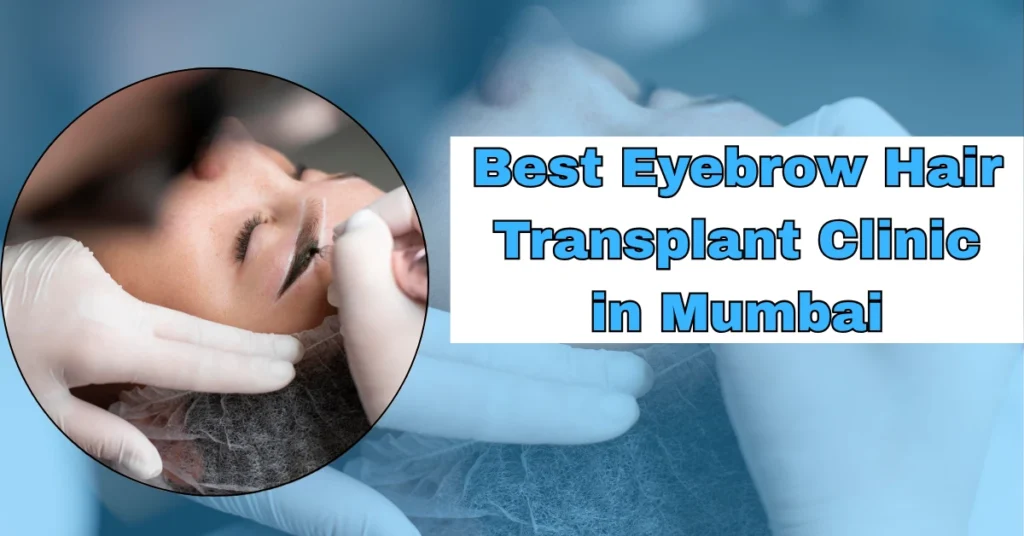
Elevate Your Look with Expert Eyebrow Transplant in Mumbai at VPlant Advanced Hair Clinic

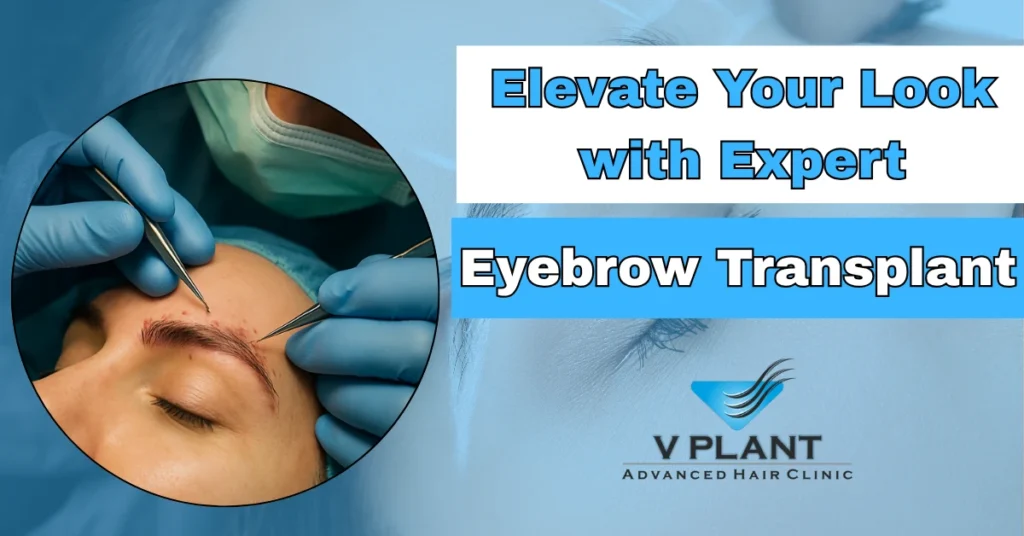
Are your eyebrows thinning, patchy, or lacking the shape that complements your face? At VPlant Advanced Hair Clinic, Dr. Amit Agarkar, an experienced hair transplant surgeon, offers precise and natural-looking eyebrow transplant procedures. This advanced solution for hair loss not only restores fuller brows but also enhances your facial expression and boosts your confidence. What Is an Eyebrow Transplant? An eyebrow transplant is a refined hair transplant procedure designed to bring fullness and definition to thin or sparse brows. In this method, healthy hair follicles are carefully harvested from a donor area—usually the back or sides of the scalp—and transplanted into the recipient area of the eyebrows. This method uses advanced types of hair transplant techniques such as Modified Hair Implantation (MHI / DHI),Follicular Unit Extraction (FUE) or Follicular Unit Transplantation (FUT) to achieve natural new hair growth. The result is permanent, natural-looking hair regrowth that eliminates the need for daily brow makeup. Why Opt for an Eyebrow Hair Transplant in Mumbai? Eyebrow thinning can be distressing, especially for men and women who value their facial aesthetics. Whether it’s due to androgenetic alopecia, over-plucking, trauma, or aging, an eyebrow transplant provides a long-term solution to hair loss. At VPlant Mumbai, we ensure every patient enjoys a personalized and safe hair restoration experience under expert transplant surgeons using modern types of hair transplant procedures. Common Causes of Eyebrow Hair Loss Understanding the type of hair loss helps in creating the right treatment plan. Common causes include: Injury or trauma to the recipient area Benefits of Eyebrow Transplant Choosing this hair transplant procedure offers many long-term benefits: Am I a Good Candidate for an Eyebrow Transplant? If you’re healthy and have realistic hair transplant expectations, you’re likely a good fit. At VPlant, Dr. Amit Agarkar, a trusted hair transplant surgeon, conducts a detailed evaluation of your donor site, eyebrow area, and goals to craft a tailored hair restoration plan. Eyebrow Transplant Procedure at VPlant Clinic 1. Consultation The journey starts with a thorough consultation. Dr. Agarkar will examine your hair grafts, discuss your desired brow shape, and explain the full process, including types of hair transplant techniques and expected results. 2. The Procedure This minimally invasive surgery takes about 2–3 hours under local anesthesia. Hair is extracted using Modified Hair Implantation (MHI / DHI) or FUE hair transplantations (commonly from above the ears), and then implanted precisely into the brows, following the natural angle and direction of hair growth. 3. Recovery and Aftercare Potential Risks and Side Effects Eyebrow hair transplant surgeries are generally safe, especially when performed by experienced transplant surgeons. Possible side effects include: At VPlant, we follow strict hygiene protocols to ensure a safe and smooth hair transplant experience. Cost of Eyebrow Transplant in Mumbai The price depends on the number of hair grafts required and the complexity of the case. VPlant offers transparent pricing based on a personalized evaluation, helping you find a cost-effective solution to hair loss. Why Choose Dr. Amit Agarkar for Your Eyebrow Transplant? Dr. Amit Agarkar combines medical precision with an artistic eye. As a seasoned hair transplant surgeon, he has performed numerous successful hair transplant surgeries across Mumbai. At VPlant, every hair transplant experience is guided by innovation, empathy, and excellence in results—giving you brows that naturally reflect your personality. Frequently Asked Questions (FAQs) Q1: Are eyebrow transplants permanent?Yes, transplanted hair continues to grow just like your natural brow hair. Q2: Is the procedure painful?Not at all. We use local anesthesia to ensure a pain-free hair transplant procedure. Q3: How long is the recovery?Most people return to their routine within a few days. Full healing and visible hair regrowth may take a few weeks. Q4: Will the transplanted hair need trimming?Yes. Since hair follicles are taken from the scalp, the transplanted hair may grow longer and require trimming.Q5: Is this treatment suitable for men and women?Yes. We offer effective treatment for hair loss in eyebrows for both men and women. Book Your Free Consultation Today It’s time to redefine your look with natural and fuller eyebrows. Book a free consultation with Dr. Amit Agarkar at VPlant Advanced Hair Clinic, Mumbai. Let us help you regain your confidence with an expert-led, long-lasting solution for hair loss.

Elevate Your Look with Expert Eyebrow Transplant in Mumbai at VPlant Advanced Hair Clinic Read More »

Effective Scalp Therapy Techniques for  Healthier Hair

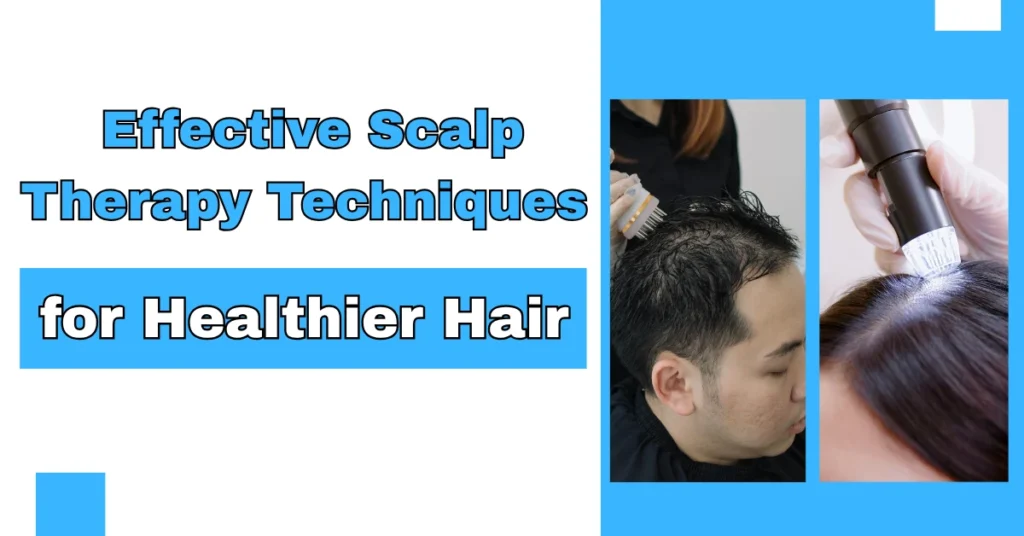
Healthy hair starts with a healthy scalp. Effective scalp therapy techniques are not just about aesthetics—they create the right environment for strong, vibrant new hair growth and long-term hair restoration. If you’re dealing with dryness, itchiness, buildup, or even bald spots, your scalp could be the underlying issue. These techniques—such as exfoliating scalp scrubs, hydrating oils, scalp massages, and professional options like LED therapy or microneedling—target the root, or more accurately, the hair follicle, to support hair regrowth and healthier strands. For men and women facing any type of hair loss, from androgenetic alopecia to stress-induced shedding, investing in your scalp care is a smart, supportive solution to hair loss. A nourished scalp means better nutrient absorption, less inflammation, and stronger growth from the donor site to the recipient area. Whether you’re using these techniques on their own or with hair transplant procedures like FUE hair transplantations, MHI, DHI, or FUT, scalp care enhances results and ensures your hair transplant experience leads to optimal outcomes. Why Scalp Health Matters Your scalp forms the base for every strand of transplanted hair and natural growth alike. Neglecting it can cause hair loss, split ends, breakage, and dullness—even after hair transplant surgeries. By actively taking care of your scalp, you encourage stronger, more resilient hair grafts. If you’ve undergone any types of hair transplant techniques, maintaining scalp health ensures long-lasting results. A clean, moisturized, and well-circulated scalp helps hair grow thicker, shinier, and more consistently over the long term. What Makes a Healthy Scalp? A healthy scalp is balanced—free from dandruff, irritation, and excessive oil. It has proper blood flow, ample moisture, and healthy follicles ready to support hair regrowth. A scalp in this condition reduces risk for infections and maximizes the success of any treatment for hair loss, including both medical therapy and hair transplant surgeries like Modified Hair Implantation (MHI / DHI), follicular unit extraction (FUE) or follicular unit transplantation (FUT). Factors like climate, lifestyle, stress, and genetics can all affect scalp health. Being mindful of these can help you tailor your care—especially if you’re considering a hair transplant procedure or working with a hair transplant surgeon on your solution for hair loss. Typical scalp problems can significantly affect hair growth, making it harder for the hair follicle to thrive and support long-term hair regrowth. 1. Dandruff Flaky, itchy skin caused by overactive shedding. Dandruff can clog follicles and hinder hair regrowth. 2. Dryness Tightness and irritation from dehydration often lead to inflammation and thinning. 3. Scalp Buildup Accumulated product, sebum, and dead skin block hair follicles, harming the donor area and recipient area alike. 4. Itchy Scalp Often triggered by dryness or product reactions, this irritation can worsen hair loss over time. Recognizing the root cause helps you select the right technique or product—especially when preparing for or maintaining results from a hair transplant procedure or treating specific types of hair transplant concerns. Effective Scalp Therapy Techniques Scalp Massage Boosts blood flow and nutrient delivery to each hair follicle—essential for new hair growth and supporting transplanted hair. How to Massage Your Scalp: This simple step can improve the hair transplant experience and stimulate the recipient area post-surgery. Scalp Buildup Treatment Buildup can suffocate follicles. Use exfoliators like the Malibu scalp therapy treatment or DIY scrubs with sugar or oatmeal. A clean scalp ensures that transplant surgeons have an optimal canvas and that hair grafts thrive post-procedure. Moisturizing a Dry Scalp Products like L’anza scalp therapy provide hydration and restore comfort. For deep moisture, use ingredients like shea butter and avocado oil. This is especially helpful for donor site healing after FUE hair transplantations or Modified Hair Implantation (MHI / DHI) procedures. Dandruff Solutions Use targeted shampoos like Paul Mitchell scalp therapy or Nioxin to reduce flakes and itchiness. Natural alternatives like tea tree oil or neem are antifungal and soothe irritated areas. Keeping dandruff under control is key to protecting hair grafts and encouraging hair regrowth. Natural Remedies for Scalp Health These are excellent additions for maintaining the health of the donor area and supporting the success of types of hair transplant procedures. Specialized Salon-Grade Scalp Treatments Oxygen Scalp Therapy Delivers oxygen directly to the scalp, helping increase blood flow and reenergize each hair follicle for improved new hair growth. This is a great pre-treatment before hair transplant surgeries or as a follow-up to support healing. Malibu Scalp Therapy Removes built-up impurities and enhances product absorption—perfect for preparing the donor site and recipient area ahead of a hair transplant procedure. Choosing the Right Scalp Shampoo Pick one based on your scalp’s condition: Even post-FUT or FUE or Modified Hair Implantation (MHI / DHI), selecting the right products supports the longevity of your hair restoration results. Is Head & Shoulders Good for Hair Health? Yes, it’s effective for dandruff but should be matched to your specific needs. It’s best used in combination with gentler or hydrating shampoos if you’ve had a hair transplant procedure. Scalp Care Tips for Daily Maintenance Bonus tip: Use silk pillowcases to reduce friction and promote overall scalp wellness. Final Thoughts Taking care of your scalp is essential—whether you’re preparing for hair transplant surgeries, trying to maintain transplanted hair, or simply seeking a natural solution to hair loss. From DIY scrubs to high-end therapies like MHI or DHI, every step toward scalp health strengthens your chances of achieving the lush, full hair you want. A healthy scalp supports strong hair regrowth, preserves the results of your hair transplant experience, and boosts your confidence from the roots up. Whether you’re working with a hair transplant surgeon, considering types of hair transplant techniques, or managing androgenetic alopecia, never underestimate the power of scalp care.

Effective Scalp Therapy Techniques for  Healthier Hair Read More »

Corrective Hair Transplant Failed Hair Transplant Repair in Mumbai

Corrective Hair Transplant Failed Hair Transplant Repair in Mumbai is a trusted solution for men and women who’ve gone through a disappointing hair transplant experience. If you’re dealing with unnatural hairlines, visible scars, or poor hair regrowth, corrective hair transplant procedures can help restore your confidence. In Mumbai, highly trained hair transplant surgeons like Dr. Amit Agarkar now offer personalized treatments using advanced types of hair transplant techniques like Follicular Unit Extraction (FUE), Follicular Unit Transplantation (FUT), MHI, and DHI. Today’s advanced techniques combine medical accuracy with aesthetic skill to achieve results that appear completely natural.. This solution for hair loss is ideal for those who feel let down by earlier hair transplant surgeries—whether done in India or abroad. Skilled transplant surgeons carefully analyze your donor area, recipient area, and type of hair loss, creating a custom plan to repair damage and support new hair growth. If your previous hair transplant did not meet your expectations, you are not alone—and fortunately, effective solutions are available. With the right care, technology, and expert hands, you can finally enjoy long-term results and natural-looking transplanted hair. What is a Corrective Hair Transplant? Corrective hair transplants are specialized treatment for hair loss focused on fixing problems from a previous hair transplant procedure. Whether it’s an oddly placed hairline, uneven hair grafts, or visible scars, these advanced procedures aim to restore natural appearance and boost self-confidence. Why Do Hair Transplants Sometimes Fail? Some of the most common reasons why people seek corrective procedures include: Finding the Right Clinic in Mumbai Mumbai offers many clinics, but choosing the right one for corrective hair transplant surgeries is critical. Here’s how to pick the best: The Corrective Hair Transplant Procedure: What to Expect Benefits of a Successful Corrective Hair Transplant ✔️ Natural-Looking Hairline: Redesigns your hairline to match your face and age.✔️ Even Growth: Fills in patchy spots and improves overall coverage.✔️ Scar Repair: Modern techniques reduce the appearance of past scars.✔️ Confidence Boost: Fixing a failed transplant often restores emotional and social confidence. Hair Restoration in Mumbai: Quality, Care & Cost As a top city for hair restoration, Mumbai combines expert care with affordability. From advanced types of hair transplant options to skilled hair transplant surgeons, patients can expect excellent outcomes.Cost Factors:The cost depends on how much repair is needed, how many hair grafts are used, and the clinic’s expertise. But remember—quality and experience should always come before price. Final Thoughts Losing hair or facing a failed transplant can be emotionally difficult. But you’re not stuck with it. With corrective hair transplant services in Mumbai, you now have a second chance. Expert hair transplant surgeons can fix past mistakes and give you the look you deserve. From fixing bald spots to achieving full hair regrowth, this is a real solution to hair loss for both men and women. The key is finding the right team—one that listens, uses the best hair transplant techniques, and delivers results that last. If you’ve lost hair and hope, this might be your fresh start.

Corrective Hair Transplant Failed Hair Transplant Repair in Mumbai Read More »

Low-Level Laser Hair Therapy in Mumbai: A Safe & Effective Hair Loss Solution

Hair loss can be a distressing experience for many individuals, affecting self-esteem and overall quality of life. Fortunately, advancements in hair restoration technologies offer a variety of solutions. One such innovative option gaining popularity is Low-Level Laser Hair Therapy (LLLT). Particularly in a bustling metropolis like Mumbai, where the quest for effective hair loss treatments is high, LLLT presents a promising, non-invasive alternative to traditional hair transplant procedures. Understanding Hair Loss: Androgenetic Alopecia Before diving into the intricacies of Low-Level Laser Hair Therapy, it’s essential to understand the common causes of hair loss. The most prevalent type is androgenetic alopecia, which affects both men and women. Known as male pattern baldness in men and female pattern baldness in women, this condition is characterized by progressive thinning of the hair, leading to noticeable bald spots and receding hairlines. Male and Female Pattern Baldness Male pattern baldness usually begins with a receding hairline and thinning at the crown, eventually leading to partial or complete baldness. In contrast, female pattern baldness typically presents as overall hair thinning, particularly on the top and crown of the scalp, while the frontal hairline often remains unaffected. Despite these differences, both conditions share a common underlying cause: a genetic sensitivity to dihydrotestosterone (DHT), a derivative of testosterone. This sensitivity leads to the miniaturization of hair follicles, which eventually stop producing hair. What is Low-Level Laser Hair Therapy? Low-Level Laser Hair Therapy is a non-surgical, painless treatment that uses red light to stimulate hair growth. The laser devices emit light at a specific wavelength that penetrates the scalp and is absorbed by the hair follicles. This process is believed to enhance cellular metabolism and increase blood flow to the hair follicles, thereby promoting hair growth and reversing the effects of hair thinning. The Science Behind Laser Hair Growth The effectiveness of LLLT lies in its ability to invigorate hair follicles that have become dormant. By stimulating blood circulation and providing energy to the cells, LLLT can revive these follicles, encouraging them to produce thicker and healthier hair strands. Research suggests that LLLT can increase hair density and thickness, making it a viable option for those experiencing hair loss. Benefits of Low-Level Laser Hair Therapy Choosing LLLT as a hair loss treatment offers several advantages, particularly for individuals seeking a less invasive option than surgical hair transplants. Non-Invasive and Painless One of the primary benefits of LLLT is its non-invasive nature. The therapy does not involve any surgical procedures or incisions, making it a painless and comfortable option for patients. Furthermore, there is no downtime required, allowing individuals to resume their daily activities immediately after treatment. Suitable for Both Men and Women LLLT is an effective treatment for both male and female pattern baldness. As the therapy targets the hair follicles directly, it can be customized to address the specific patterns of hair loss experienced by men and women. Complements Other Treatments LLLT can be used in conjunction with other hair loss treatments, such as topical minoxidil or oral finasteride, to enhance overall results. By combining therapies, patients may experience more significant improvements in hair density and growth. Low-Level Laser Hair Therapy in Mumbai Mumbai, a city synonymous with innovation and progress, offers a range of clinics and specialists providing LLLT services. These clinics are equipped with state-of-the-art technology and staffed by experienced professionals dedicated to helping patients achieve their hair restoration goals. Finding a Reputable Clinic When seeking LLLT treatment in Mumbai, it is crucial to choose a reputable clinic with a proven track record of success. Look for clinics that offer personalized treatment plans tailored to your specific needs and hair loss pattern. Additionally, ensure that the clinic employs certified practitioners who are knowledgeable about the latest advancements in laser hair therapy. What to Expect During Treatment The typical LLLT session lasts between 20 to 30 minutes. Patients are seated comfortably while a laser device is positioned over the scalp to deliver targeted light therapy. Most individuals require multiple sessions over several months to achieve optimal results, with maintenance sessions recommended to sustain hair growth. Red Light Therapy for Hair: An Effective Alternative For those hesitant about surgical hair transplants, LLLT represents a promising alternative. The therapy’s ability to stimulate natural hair growth without the need for invasive procedures makes it an attractive option for many individuals experiencing hair thinning and loss. Cost and Accessibility While the cost of LLLT can vary depending on the clinic and the number of sessions required, it is generally more affordable than surgical hair restoration options. Moreover, the non-invasive nature of the treatment means there is minimal risk of complications, further enhancing its appeal. Conclusion Low-Level Laser Hair Therapy in Mumbai offers a cutting-edge solution for individuals struggling with hair loss. By harnessing the power of red light therapy, LLLT provides a safe, effective, and non-invasive alternative to traditional hair restoration methods. Whether you’re dealing with androgenetic alopecia or simply looking to enhance your hair’s fullness and thickness, LLLT may be the answer you’ve been searching for. As always, consult with a qualified hair restoration specialist to determine the best course of action for your specific needs and circumstances. Faqs :- 1. What is Low-Level Laser Hair Therapy (LLLT)?LLLT is a non-invasive, painless treatment that uses red light lasers to stimulate hair follicles, improve blood flow, and promote hair growth, making it a popular alternative to surgical hair transplants. 2. How does LLLT help with hair loss?The laser light penetrates the scalp and energizes dormant hair follicles, enhancing cellular metabolism and blood circulation, which can lead to thicker, healthier hair and reduced hair thinning. 3. Who is a good candidate for LLLT?LLLT is suitable for both men and women experiencing androgenetic alopecia (pattern baldness) or general hair thinning who want a non-surgical, low-risk hair restoration option. 4. How long does each LLLT session last, and how many sessions are needed?Sessions typically last 20-30 minutes. Multiple sessions over several months are usually necessary to see significant results, with periodic maintenance sessions

Low-Level Laser Hair Therapy in Mumbai: A Safe & Effective Hair Loss Solution Read More »

What is a Receding Hairline  Reconstruction

What is a Receding Hairline Reconstruction? It’s a personalized hair restoration approach designed to reshape a thinning or uneven hairline. Often caused by androgenetic alopecia, aging, stress, or genetics, a receding hairline can affect both men and women. This solution for hair loss offers a long-term fix by moving healthy hair follicles from a dense donor area—usually the back or sides of your scalp—to the thinning recipient area in front. Performed by experienced hair transplant surgeons, this isn’t just about aesthetics. It’s about rebuilding confidence, enhancing facial symmetry, and feeling like yourself again. Whether you’re after a full hair transplant procedure or want a subtle touch-up, this method delivers natural-looking results. If you’re exploring options like hairline lowering surgery, MHI or DHI methods, or non-surgical treatment for hair loss, receding hairline reconstruction is often part of a wider, tailored plan. Always consult with a skilled transplant surgeon to understand your options, set clear hair transplant expectations, and choose the right approach for your type of hair loss. Understanding Receding Hairlines Before jumping into the different types of hair transplant procedures, it’s helpful to understand what causes a hairline to recede. For many people, it’s a natural part of aging. Genetics and hormonal shifts (especially androgenetic alopecia) are major triggers. Poor nutrition, chronic stress, or certain medical issues can also cause you to lose hair. Common Signs of a Receding Hairline A receding hairline usually shows up as gradual hair loss at the front of the scalp. For men, this might look like an “M” shape. Women may notice their forehead looks wider or their hairline starts thinning out. Spotting it early helps you find the right solution to hair loss before it progresses to bald spots. Hairline Restoration Techniques Several options exist depending on your needs, expectations, and hair type. Hair Transplant Surgeries A popular, proven solution for hair loss, hair transplant surgeries involve relocating healthy hair grafts from a donor site to the balding area. Two primary types of hair transplant techniques are widely used: New methods like MHI and DHI techniques also offer improved precision and comfort, often resulting in more natural hair regrowth. Non-Surgical Hairline Solutions If surgery isn’t right for you, there are effective non-surgical options for restoring your hairline: Simple Lifestyle Tweaks That Support Hair Growth Sometimes, small changes go a long way. Eating a nutrient-rich diet, reducing stress, and avoiding harsh treatments can strengthen your existing hair and improve the results of any hair transplant experience. What to Expect From the Hairline Reconstruction Process Benefits & Risks of Hairline Reconstruction ✅ Benefits ⚠️ Risks Conclusion Receding hairline reconstruction is more than cosmetic—it’s a real, effective solution to hair loss that helps people feel like themselves again. From innovative techniques like FUE, FUT, MHI, and DHI, to supportive non-surgical treatments, there’s a plan for every person and every type of hair loss. Talking to an experienced hair transplant surgeon is the best way to start your journey. Whether you’re treating early signs or filling in bald spots, the path to thicker, natural-looking hair begins with knowledge and action.

What is a Receding Hairline  Reconstruction Read More »