image

Vplant Hair Clinic

Female Hair Transplant: Myths, Realities & What Works

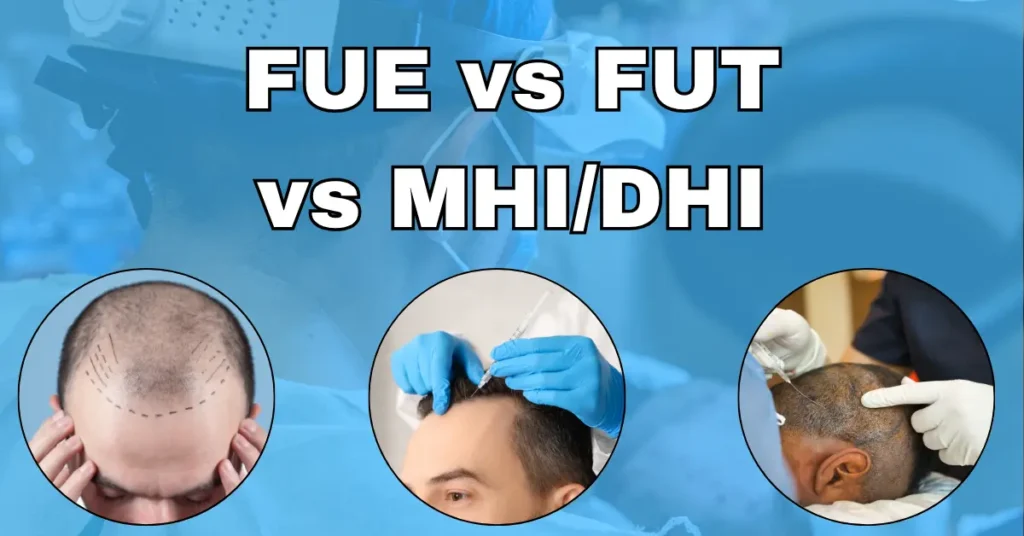
Female Hair Transplant: Myths, Realities & What Works explores the truth behind modern hair restoration methods for women struggling with thinning hair, bald spots, or receding hairlines. Many women still believe that hair transplant surgeries are only for men, but today’s advanced types of hair transplant techniques — including Follicular Unit Extraction (FUE), Follicular Unit Transplantation (FUT), and newer MHI & DHI methods — are designed to deliver natural, long-term results tailored to female hair patterns. This guide breaks common myths, shares real experiences, and explains how a skilled hair transplant surgeon can provide a lasting solution for hair loss. Whether caused by genetics, hormonal changes, or stress, understanding the right treatment for hair loss and setting realistic hair transplant expectations is key. This article helps women explore proven solutions for new hair growth and make informed choices that lead to confident, natural-looking hair regrowth. Understanding Female Hair Loss Hair loss affects millions of men and women worldwide, yet the topic of female hair transplant is often misunderstood. This guide clears the confusion. Here, you’ll learn what a hair transplant procedure can and can’t do, the types of hair transplant procedures available, how to choose the right transplant surgeons, and what to expect during your hair transplant experience. Why Women Consider Hair Transplants Women can lose hair due to androgenetic alopecia, hormonal changes (like menopause or pregnancy), medical conditions, stress, or even scarring. When thinning hair or visible scalp affects confidence, a hair transplant can become a life-changing solution to hair loss. While not every woman needs surgery, for many, it’s an effective path to hair restoration and lasting self-assurance. Common Myths (and the Realities) Myth 1 — “Hair transplants are only for men.” Reality: Women can and do undergo successful hair transplant surgeries. When performed by an experienced hair transplant surgeon, results can look natural and feminine. Myth 2 — “One surgery fixes everything.” Reality: A single session may not solve all issues. Hair is redistributed from the donor area to thinning regions, and some patients may require multiple sessions or supporting hair loss treatment for optimal hair regrowth. Myth 3 — “Transplanted hair looks fake.” Reality: Modern FUE hair transplantations, FUT, and DHI techniques ensure that transplanted hair grows at a natural angle and density. With expert planning, it’s nearly impossible to distinguish between natural and transplanted strands. Myth 4 — “Transplants regrow hair instantly.” Reality: The hair transplant experience requires patience. Initial shedding is normal, followed by gradual new hair growth over several months. Most patients see visible results within 9–12 months. Myth 5 — “Anyone with hair loss can get a transplant.” Reality: Ideal candidates have a stable donor site, healthy hair follicles, and realistic hair transplant expectations. Those with diffuse thinning or poor donor supply may need other solutions for hair loss. The Realities — What Actually Happens Assessment and Candidacy Before surgery, the hair transplant surgeon examines the scalp, reviews medical history, and identifies the type of hair loss. This ensures the best approach — whether a hair transplant procedure or other treatment for hair loss. Types of Hair Transplant Procedures Each of these types of hair transplant techniques has pros and cons, and your surgeon will suggest what best fits your scalp condition and aesthetic goals. What to Expect During a Hair Transplant Procedure The hair transplant procedure typically uses local anesthesia. Depending on the size of the area, surgery may take several hours or more than one session. Post-surgery, you’ll receive instructions on caring for your transplanted hair to ensure healthy hair regrowth and prevent infection. What Works — Combining Surgery and Supportive Treatments Medical Treatments Lifestyle and Home Care Pre- and Post-Op Care Choosing the Right Surgeon and Clinic Your choice of transplant surgeon determines the outcome. Setting Realistic Hair Transplant Expectations A hair transplant moves healthy follicles to thinning areas, but it can’t create infinite density. Most women can expect: Honest discussion with your surgeon ensures your hair transplant expectations match achievable outcomes. Risks and Complications Even the best hair transplant surgeons discuss possible risks, such as: Choosing a reputable clinic and following aftercare minimizes these issues. When to Consider Alternatives A hair transplant may not be ideal if: Alternatives include medical treatment for hair loss, wigs, or non-surgical hair restoration options. Quick FAQs Conclusion — Taking the Next Step If you’re losing hair and want a solution to hair loss, begin with a detailed consultation with a trusted hair transplant surgeon. Get your type of hair loss diagnosed, understand your hair transplant expectations, and plan a personalized hair restoration journey that fits your lifestyle. With advanced FUE, FUT, DHI, or MHI techniques, and the right post-surgery care, women can achieve fuller, natural hair regrowth that lasts. Trust experienced transplant surgeons who prioritize your comfort, long-term results, and confidence.

Female Hair Transplant: Myths, Realities & What Works Read More »

When Can You Hit the Gym After a Hair Transplant?

When Can You Hit the Gym After a Hair Transplant? This is one of the most frequently asked questions by anyone who has undergone a hair transplant procedure. Knowing the answer is crucial because exercising too soon can affect healing and the survival of transplanted hair. After hair transplant surgeries—whether follicular unit extraction (FUE), follicular unit transplantation (FUT), or advanced MHI & DHI methods—your scalp needs time to recover before it can handle sweat, pressure, or strain. Light activities like walking can usually resume after two weeks, but intense workouts, weightlifting, or contact sports should wait at least four to six weeks. This recovery period allows the hair grafts to settle properly, ensuring optimal hair regrowth and long-term hair restoration results. Following your hair transplant surgeon’s instructions carefully protects your donor area, recipient area, and overall hair transplant experience. Patience now ensures healthier, stronger new hair growth in the months ahead. A hair transplant is a life-changing solution for people struggling to lose hair or dealing with bald spots. It restores not only your hairline but also your confidence. But if you’re active and love the gym, one of the first things on your mind after surgery is: “When can I safely return to workouts?” Resuming exercise too early can compromise healing and affect your hair transplant expectations. This article explains when it’s safe to work out, which activities to avoid, and how to protect your hair follicles while maintaining a healthy fitness routine. Understanding the Hair Transplant Healing Process Before planning your return to the gym, it’s essential to understand what your body and scalp go through after hair transplant surgeries. A typical hair transplant procedure involves removing healthy hair follicles from the donor site and implanting them into thinning or bald areas (recipient area). This can be done using FUE, FUT, or newer MHI & DHI techniques, depending on the type of hair loss, patient goals, and types of hair transplant procedures recommended by your hair transplant surgeon. The Initial Recovery Stage (First 7 Days) This stage is crucial for the survival of hair grafts. Any physical strain, sweat, or friction can interfere with graft adhesion and increase the risk of infection or loss of transplanted hair. Why You Should Avoid Working Out Immediately After a Hair Transplant Exercise is healthy, but right after hair transplant surgeries, it can do more harm than good. Here’s why: 1. Sweating Can Cause Infection Sweating opens pores and can lead to bacterial buildup around the new hair grafts, increasing infection risk and slowing hair regrowth. 2. Increased Blood Pressure and Heart Rate Exercise raises blood flow, which can cause swelling or bleeding in the recipient area, potentially dislodging the follicular unit extraction (FUE) grafts, FUT grafts, or other hair transplant techniques. 3. Risk of Trauma or Friction High-impact workouts, running, or contact sports can traumatize the scalp. Even helmets, caps, or headbands can rub the donor area and damage transplanted hair. 4. Extended Swelling and Delayed Healing Heat and strain can increase forehead and scalp swelling, particularly during the first week. In short — your body and hair follicles need rest. When Is It Safe to Resume Exercise After a Hair Transplant? Recovery timelines depend on the type of hair transplant, your healing rate, and your hair transplant surgeon’s advice. Here’s a practical guide: 1. First Week (Days 1–7): Absolute Rest 🩺 Why: The hair grafts are fragile. Even minor strain can dislodge transplanted hair and compromise new hair growth. 2. Second Week (Days 8–14): Light Movement Only 🩺 Why: By now, scabs may begin falling off, and hair grafts start stabilizing. Too much movement or sweat can still irritate the scalp and delay hair regrowth. 3. Third to Fourth Week: Resume Light Exercise 🩺 Why: Transplanted hair follicles are delicate but can usually handle light exercise by the third week. 4. After One Month: Gradual Return to Regular Workouts 🩺 Why: Both the donor area and recipient area have mostly healed, reducing the risk of hair graft damage. 5. After Six Weeks: Full Gym Routine 🩺 Why: The hair follicles are now anchored, and new hair growth is beginning in the resting phase. Precautions to Take When Returning to the Gym Even after approval, protect your transplanted hair: The Role of Exercise in Hair Regrowth Once fully healed, exercise can boost hair restoration by: Expert Advice: Follow Your Hair Transplant Surgeon Healing is unique for everyone. Factors affecting return to exercise include: Follow post-op care instructions closely. If you notice excessive redness, itching, or delayed healing, stop workouts and consult your hair transplant surgeon. Maintaining Long-Term Hair Transplant Results After hair transplant surgeries, maintaining results is as important as the procedure: Patience is key. Full results from FUE, FUT, or MHI & DHI methods take 6–12 months. Consistent care ensures long-term hair restoration. Final Thoughts Returning to the gym after a hair transplant procedure is possible, but timing matters: Your patience directly affects your hair transplant experience, solution for hair loss, and the success of transplanted hair. Follow guidance, care for your hair follicles, and enjoy strong, healthy new hair growth. This version naturally incorporates all the requested keywords, humanizes the tone, simplifies sentences, and improves readability while keeping SEO and structure intact.

When Can You Hit the Gym After a Hair Transplant? Read More »

How Can Hair Transplant Help in Achieving Perfect Hairline With Enhanced Density? – A Complete Guide

How Can Hair Transplant Help in Achieving Perfect Hairline With Enhanced Density? – A Complete Guide

Introduction  People everywhere want a perfect hairline and full, beautiful hair; however, thinning hair, bald spots, or receding hairlines may impede our appearance and confidence. There are many modern hair transplant options available today that will permanently restore what you had in terms of density and hairline.  In this comprehensive guide, we will discuss how a hair transplant procedure works, the types of procedures that you might encounter, the benefits of these types of procedures, and what you can expect before and after. What is a hair transplant?  A hair transplant procedure is a cosmetic surgical procedure that takes healthy hair follicles from a “donor area” (usually the back or sides of your head) to implant in a bald area, or an area with thinning hair. Once the hair follicles are transplanted, your hair will continue to grow naturally, provide fullness, and eventually develop into thicker hair and a nice hairline. Types of hair transplantation This is where individual hair follicles are removed and placed into sites on the recipient’s scalp.  This method involves taking a strip of scalp from the donor area and has a process of dissection to acquire the hair follicle for transplantation.  The MHI procedure is a sophisticated, non-surgical hair restoration option that employs an implanter device to accurately and efficiently place hair follicles into the scalp while ensuring minimal damage to the hair tissue. How Hair Transplants Assist in Achieving the Ideal Hairline For a hairline to look natural, it must be designed artistically and executed surgically with precision. Once the hairline has been planned on the basis of the patient’s characteristics (general facial shape, age, and natural growth character of hair), the surgeon moves on with the hair transplant, which results in: How Hair Transplant Enhances Overall Density When hair is thin or spotty, it may sometimes be possible to see the scalp, and this can affect a person’s confidence. When multiple grafts are placed simultaneously in a strategic manner, the hair transplant can improve total hair density, providing the appearance of thicker and more voluminous hair. Over time, as the new hair continues to grow, it becomes indistinguishable from existing hair. Recovery and Post-Care Considerations Post-procedure swelling and redness are common, although they typically subside in a few days. Post-care items to consider when returning home: Benefits of Hair Transplant Comparison A hair transplant is one of the most effective methods of restoring a perfect hairline and improving hair density. With advanced techniques such as MHI / DHI or FUE and FUT, permanent and natural-looking results can be achieved with excellent results for hair density and self-esteem. If you are faced with thinning hair or a receding hairline, an experienced hair transplant surgeon should be your first step in transformation. Commonly Asked Questions 1. Is a hair transplant permanent?  Yes, the hair follicles transplanted into the scalp maintain resistance to hair loss and provide permanent and natural growth. 2. How long does it take to see results? Noticeable growth will usually start to be seen in 3-4 months, and full results of the transplant will typically be evident in 9-12 months. 3. Is it painful? Hair transplant surgery is performed under local anesthesia, so the patient will feel virtually nothing and only minimal discomfort. 4. Can women have a hair transplant? Absolutely! Women can undergo a hair transplant as both genders can suffer from hair thinning or bald patches. 5. How much does a hair transplant cost? The cost of a hair transplant is dependent on the number of grafts, the location of the clinic, and the surgeon’s experience. As with any procedure, choosing a reputable and experienced surgeon is the best chance to obtain the best results.

How Can Hair Transplant Help in Achieving Perfect Hairline With Enhanced Density? – A Complete Guide Read More »

The Truth About Creatine and Hair Loss

The Truth About Creatine and Hair Loss

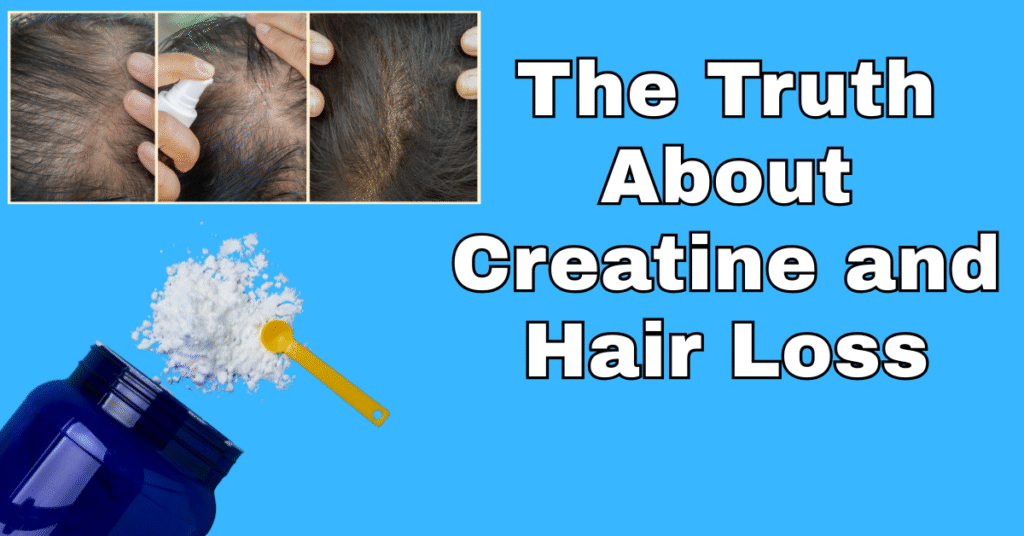
The Truth About Creatine and Hair Loss explores whether the widely used fitness supplement creatine can contribute to hair thinning, bald spots, or accelerated hair loss. Athletes, bodybuilders, and fitness enthusiasts often use creatine to boost strength, endurance, and muscle growth. Yet, concerns about hair loss have created confusion. This topic is particularly relevant for men and women with a genetic predisposition to androgenetic alopecia, as elevated DHT levels—known to affect the hair follicle and cause follicle shrinkage—might be influenced by supplementation. Understanding the science behind creatine, hair health, and potential interventions like hair restoration can help users make informed choices. By monitoring hormone levels, adjusting dosages, maintaining proper nutrition, and consulting a hair transplant surgeon, individuals can minimize risks. Whether you are considering supplements or already experiencing thinning, knowing the truth about creatine and hair loss offers practical strategies, peace of mind, and guidance toward hair regrowth and long-term hair health. What Is Creatine? Creatine is a naturally occurring compound found in foods like red meat and fish, and it is also produced in the body from amino acids. It plays a vital role in producing adenosine triphosphate (ATP), the energy currency for muscles. By increasing ATP availability, creatine allows muscles to perform at higher intensity for longer, making it essential for strength training and high-intensity workouts. Creatine is usually consumed as creatine monohydrate, the most researched and effective form. While its benefits for muscle growth and performance are well-known, concerns about a possible link to hair loss remain among some users. Understanding Hair Loss To grasp the potential connection, it is important to understand hair loss mechanisms. The most common type of hair loss is androgenetic alopecia, also called male or female pattern baldness. This condition is influenced by genetics and hormones, particularly dihydrotestosterone (DHT). DHT binds to hair follicles, shrinking them over time. Miniaturized follicles produce thinner hair, eventually leading to bald spots. Genetic sensitivity to DHT determines how quickly and extensively hair loss occurs. Other causes include stress, nutrient deficiencies, thyroid issues, autoimmune conditions, medications, and lifestyle factors such as poor diet, smoking, or excessive use of heat and chemicals on hair. The Creatine and Hair Loss Connection Concerns about creatine and hair loss are mainly based on a 2009 study involving rugby players. Participants taking creatine supplements for three weeks showed a significant rise in DHT levels, while testosterone remained unchanged. Since DHT drives androgenetic alopecia, some speculated creatine could accelerate hair loss in those genetically predisposed. Key Points from the Study What It Means While the study hints at a connection, there’s no definitive proof that creatine directly causes hair loss. Elevated DHT might accelerate thinning in predisposed individuals, but creatine itself is not a direct cause. Myths vs. Facts Myth 1: Creatine causes hair loss in everyone.Fact: Only individuals genetically predisposed to androgenetic alopecia may be affected. Others are unlikely to lose hair due to creatine. Myth 2: Creatine damages hair follicles directly.Fact: Creatine doesn’t harm follicles. Concerns are indirect: DHT may impact sensitive follicles. Myth 3: Stopping creatine reverses hair loss.Fact: Once follicles miniaturize, full reversal is unlikely. However, discontinuing creatine may prevent further DHT-related acceleration. Managing Hair Health While Taking Creatine If you want to benefit from creatine while protecting your hair, consider these steps: Creatine Benefits Outweigh Risks for Most People Creatine remains safe and effective for healthy adults. Benefits include: For those without a strong genetic risk for hair loss, the performance benefits outweigh potential risks. Special Considerations Women and Hair Loss: Women naturally have lower DHT levels. While creatine may slightly raise DHT, impact on hair loss is usually minimal. Those with a family history of androgenetic alopecia should stay cautious. Preexisting Hair Loss: Individuals already experiencing thinning should consult professionals. Combining creatine use with treatment for hair loss, including hair regrowth therapies or hair transplant procedures, can provide safer outcomes. Alternative Approaches to Enhance Performance Conclusion The link between creatine and hair loss is inconclusive. A minor rise in DHT may accelerate hair loss in genetically susceptible individuals, but creatine is not a direct cause. For most, it remains a safe, effective performance enhancer. Monitoring hormones, maintaining a healthy lifestyle, and consulting hair transplant surgeons or specialists ensures informed decisions. With proper precautions, you can enjoy creatine’s fitness benefits while supporting hair regrowth, maintaining healthy hair follicles, and exploring hair restoration options like FUE, FUT, and MHI & DHI methods for long-term results.

The Truth About Creatine and Hair Loss Read More »

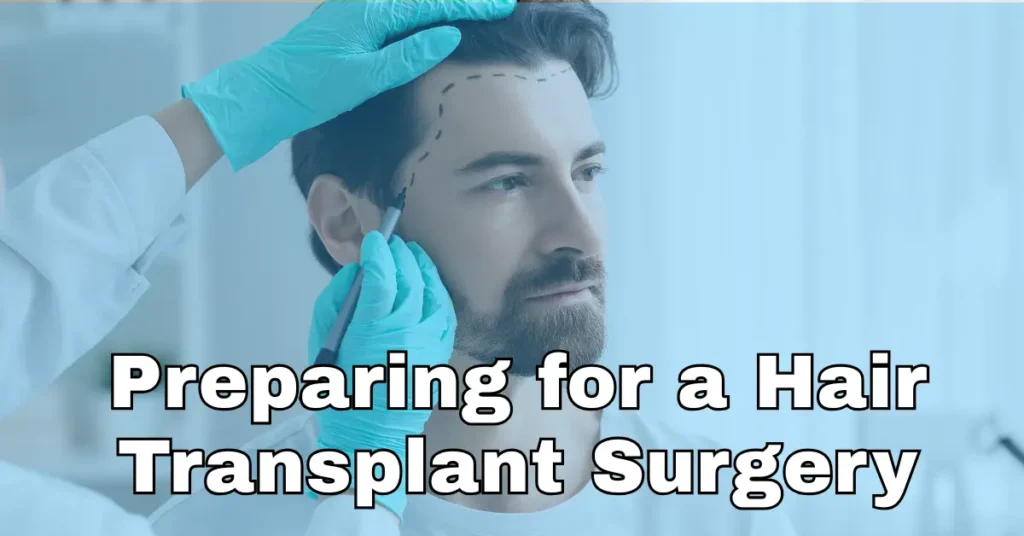
Preparing for a Hair Transplant Surgery

Preparing for a Hair Transplant Surgery

Preparing for a Hair Transplant Surgery: A Complete Guide is meant for anyone planning hair restoration and looking for confidence in the process. A hair transplant surgery is a life-changing procedure where healthy hair follicles from a donor area are carefully moved to bald spots or thinning regions (recipient area). This helps men and women regain natural-looking density and new hair growth. This guide doesn’t just explain the hair transplant procedure—it shows you how to prepare mentally, physically, and practically. The right preparation makes recovery easier, increases the survival rate of transplanted hair, and leads to long-term results. From stopping smoking to adjusting medications and setting realistic hair transplant expectations, every step matters. If you are exploring a solution for hair loss or want clarity on types of hair transplant procedures like FUE or FUT, this guide will simplify your journey. With expert advice and practical preparation steps, you’ll feel informed, relaxed, and ready for transformation. Hair Transplant Surgery and Its Impact Hair is more than just appearance—it’s tied to confidence and identity. For many men and women who lose hair, a hair transplant surgery offers not just hair regrowth but also self-esteem. Still, it’s not a decision to rush. Like all medical procedures, preparation ensures the best outcome. Whether you choose follicular unit extraction (FUE hair transplantations), follicular unit transplantation (FUT), MHI & DHI methods, or other types of hair transplant techniques, being prepared reduces stress and improves your overall hair transplant experience. This guide covers everything you need before surgery—consultations, lifestyle changes, and day-of-surgery tips. 1. Understanding Hair Transplant Surgery A hair transplant surgery is a minimally invasive cosmetic treatment where healthy hair follicles are moved from a donor site (usually the back or sides of the scalp) to thinning or bald spots on the scalp (recipient area). Common Types of Hair Transplant: Your hair transplant surgeon will assess your hair loss pattern, donor area quality, and long-term goals before recommending the best option. 2. Why Pre-Surgery Preparation Matters A successful hair transplant doesn’t rely only on the surgical skill of transplant surgeons—it also depends on how well you prepare. Good preparation: Skipping this stage may reduce the quality of your hair restoration results. 3. Pre-Consultation with Your Hair Transplant Surgeon Before booking surgery, you’ll meet a transplant surgeon. In this consultation, the following will be reviewed: Being honest during this stage helps the surgeon design a realistic solution to hair loss and ensure a smooth hair transplant experience. 4. Preparing Physically Before Surgery 4.1. Stop Blood-Thinning Medications Around two weeks before your hair transplant procedure, avoid aspirin, anti-inflammatory drugs, and certain supplements. They thin blood and increase bleeding risks. 4.2. Quit Smoking and Alcohol Smoking blocks healthy blood flow to the scalp and slows recovery. Alcohol also interferes with anesthesia and healing. Stop smoking at least 2–3 weeks before surgery and alcohol one week before. 4.3. Eat a Nutrient-Rich Diet Proteins, iron, zinc, and vitamins help hair follicles stay healthy. Add eggs, nuts, fish, and leafy greens to your meals before surgery to support recovery and new hair growth. 4.4. Scalp and Hair Care Wash your hair thoroughly the night before or morning of surgery. Avoid gels, oils, or sprays that may affect the procedure. 5. Mental and Emotional Preparation It’s normal to feel nervous before a hair transplant procedure. Preparing emotionally makes a big difference. 6. Practical Preparations for Surgery Day Make your surgery day stress-free: 7. Mistakes to Avoid Before Surgery Avoid these common mistakes: 8. Questions to Ask Your Hair Transplant Surgeon Being informed helps reduce anxiety. Ask questions like: 9. Preparing Your Home for Recovery Make recovery more comfortable by preparing in advance: 10. What to Expect After Surgery Knowing the recovery process helps set realistic hair transplant expectations. Conclusion Preparing for a hair transplant surgery is more than booking a date—it’s about lifestyle changes, setting expectations, and following surgeon’s advice. Every step of preparation supports better results and long-term satisfaction. Whether you choose FUE hair transplantations, FUT, or advanced MHI & DHI methods, preparation ensures smoother recovery, successful hair restoration, and natural results. A hair transplant is not just about treating bald spots or a quick fix—it’s about confidence, identity, and peace of mind. Prepare well, trust your transplant surgeons, and look forward to your transformation with healthy, natural new hair growth.

Preparing for a Hair Transplant Surgery Read More »

Long-Term Hair Care After Transplant

Long-Term Hair Care After Transplant

Long-Term Hair Care After Transplant: A Complete Guide is designed to help anyone who has undergone a hair transplant understand how to maintain healthy, strong, and natural-looking hair for years. This guide explains practical, easy-to-follow steps for caring for both transplanted hair and the surrounding scalp. Proper care ensures new hair growth thrives, the hair restoration results last, and your hair transplant expectations are met. Whether you had FUE, FUT, MHI, DHI, or other types of hair transplant procedures, this guide covers essential routines like gentle washing, proper scalp nutrition, preventing damage, and lifestyle habits that promote hair strength. Regular follow-ups with your hair transplant surgeon help monitor growth, track hair regrowth, and address concerns. Following these strategies helps minimize shedding, support long-term scalp health, and preserve your solution for hair loss with confidence. Understanding Hair Transplant and Its Impact A hair transplant involves moving hair follicles from a donor area, typically the back or sides of the scalp, to areas affected by hair loss in the recipient area. The transplanted hair is carefully placed to mimic natural growth, creating permanent coverage over time. Different types of hair transplant techniques include: Each approach has unique considerations, but all require consistent long-term hair care after transplant to support hair regrowth and ensure new hair growth appears natural. Immediate Post-Transplant Care The first few weeks after hair transplant surgeries are critical for transplanted hair survival. Key steps include: This early care lays the foundation for lasting hair restoration and ensures your solution to hair loss is effective. Long-Term Hair Care Practices Once your scalp heals, maintaining hair health over the long term is essential. Here are key strategies: 1. Gentle Hair Care These steps protect transplanted hair, reduce breakage, and support hair regrowth. 2. Nutritional Support Supplements recommended by your hair transplant surgeon can help accelerate new hair growth. 3. Scalp Care Good scalp care complements your hair transplant procedure and enhances hair restoration. 4. Avoiding Damage Protecting transplanted hair ensures your hair transplant experience remains positive and your results last. Monitoring and Professional Follow-Up Long-term care also involves professional guidance: Regular check-ins with your hair transplant surgeon help maintain your solution for hair loss and improve outcomes. Common Challenges and Solutions Shedding: Normal for 2-3 weeks post-surgery. New hair growth usually starts in 3-4 months. Slow hair growth: Genetics, lifestyle, or type of hair loss can affect regrowth. Nutrition and topical solutions help. Scar visibility: Common with FUT. Long-term care and FUE touch-ups may address this. Lifestyle Tips for Hair Health These habits complement your hair restoration journey for long-lasting results. Enhancing Hair Density Over Time Some patients choose additional hair transplant surgeries: Consulting a skilled hair transplant surgeon ensures alignment with your hair transplant expectations. Myths About Post-Transplant Hair Care Following professional advice ensures your hair transplant experience is smooth and sustainable. Recommended Hair Care Products Always consult your hair transplant surgeon before adding new products. The Role of Technology Modern types of hair transplant procedures and hair restoration technologies aid hair regrowth: Technology integration enhances your hair transplant experience and ensures long-term satisfaction. Conclusion Long-term hair care after transplant is crucial for achieving lasting results. Gentle washing, proper nutrition, lifestyle adjustments, and follow-ups with your hair transplant surgeon all support transplanted hair, hair regrowth, and overall confidence. Whether you’ve had FUE, FUT, MHI, or DHI methods, consistent care ensures your solution for hair loss is effective and enduring. Patience, consistency, and expert guidance turn your hair transplant experience into a lifelong success.

Long-Term Hair Care After Transplant Read More »

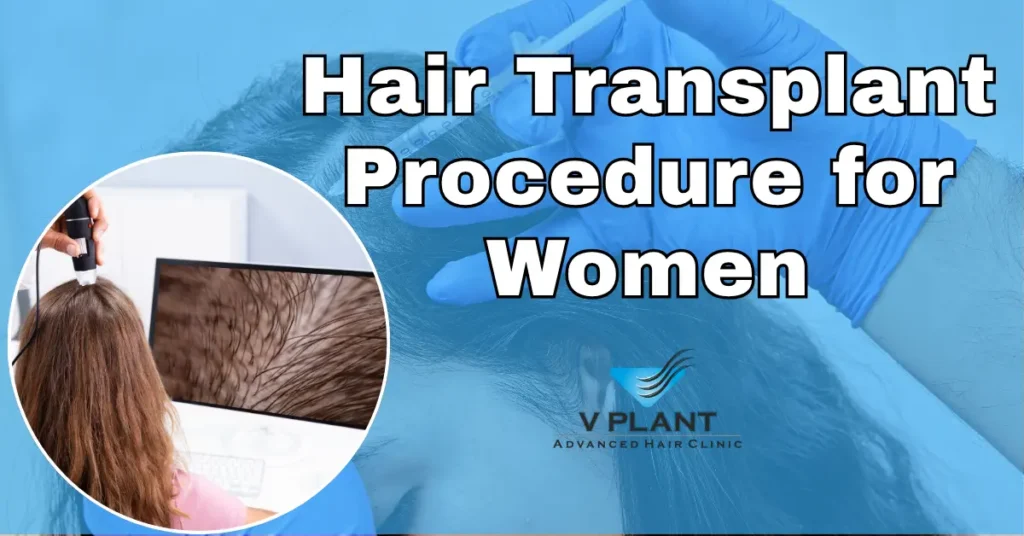
Hair Transplant Procedure for Women

Hair Transplant Procedure for Women

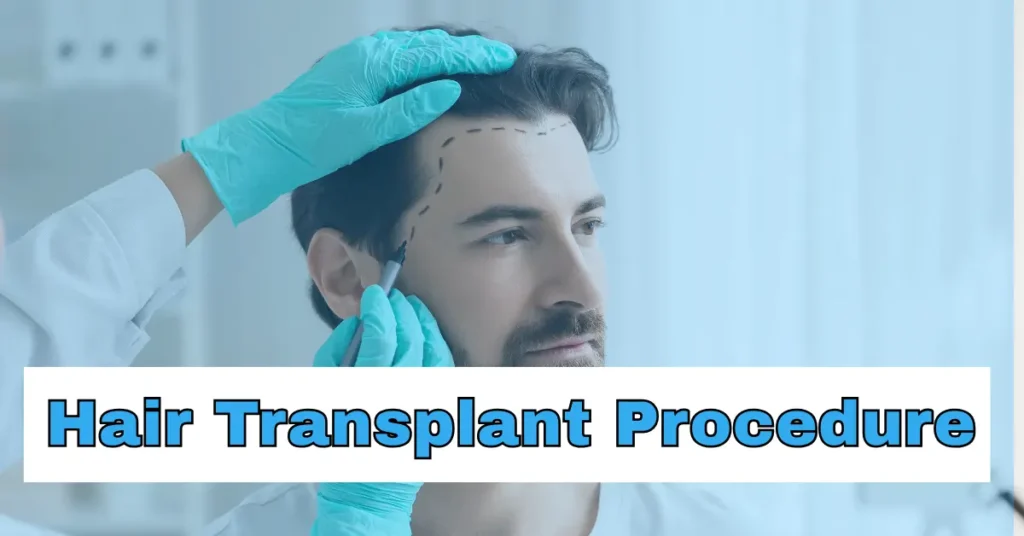
Hair Transplant Procedure for Women: A Complete Guide to Hair Restoration and Regrowth is your complete resource for understanding how modern types of hair transplant techniques help women regain natural volume and confidence. The hair transplant procedure safely moves healthy hair follicles from a donor area to thinning or bald spots, offering a long-term solution for hair loss caused by genetics, hormonal changes, or stress. Designed specifically for female hair patterns, this treatment for hair loss restores natural density without visible scars or damage. Whether you’re struggling with a receding hairline, postpartum shedding, or androgenetic alopecia, this guide explains how procedures like Follicular Unit Extraction (FUE), Follicular Unit Transplantation (FUT), MHI, and DHI methods provide lasting hair regrowth with minimal downtime. Beyond improving your hair, it rebuilds confidence and enhances your overall appearance. If you’re looking for a safe, natural, and effective solution to hair loss, this guide is your first step toward renewed self-esteem and beautiful, healthy hair. Understanding Female Hair Loss Before considering a hair transplant surgery, it’s essential to know why women lose hair. Unlike men who may develop defined bald spots, most women experience diffuse thinning — where hair becomes sparse across the entire scalp rather than specific areas. Common Causes of Hair Loss in Women Understanding your type of hair loss helps a hair transplant surgeon determine whether a hair restoration procedure is suitable for you. Who Is a Good Candidate for a Hair Transplant? Not every woman who loses hair is eligible for surgery. Since women often have diffuse hair loss, even the donor site may be affected. You’re an ideal candidate if you: Women with overall thinning may not benefit much, as both the donor and recipient areas could be compromised. How Does a Hair Transplant Procedure for Women Work? A hair transplant surgery transfers healthy hair follicles from a donor site (usually the back or sides of the scalp) to a recipient area where hair is thinning. These transplanted hairs continue to grow naturally. There are several types of hair transplant procedures available today, and choosing the right one depends on your hair type, goals, and the hair transplant surgeon’s recommendation. 1. Follicular Unit Transplantation (FUT) Also known as the strip method, FUT involves removing a thin strip of scalp from the donor area. The strip is divided into smaller hair grafts, each containing 1–4 follicles, and implanted into the recipient area. Advantages: Disadvantages: 2. Follicular Unit Extraction (FUE) Follicular Unit Extraction (FUE), one of the most advanced types of hair transplant techniques, removes individual hair follicles directly from the donor site and implants them into thinning areas. Advantages: Disadvantages: 3. DHI (Direct Hair Implantation) and MHI (Modified Hair Implantation) DHI and MHI methods are newer, refined versions of FUE hair transplantations. They use specialized tools to extract and implant follicles simultaneously, ensuring natural angles, denser results, and faster recovery. These modern types of hair transplant procedures provide a seamless, natural finish and reduce the risk of scarring or trauma to the scalp. Step-by-Step Hair Transplant Experience for Women 1. Consultation and Diagnosis Your journey begins with a consultation with a skilled transplant surgeon. The doctor will: Blood tests or scalp analyses may be done to check for underlying health issues before the procedure. 2. Pre-Operative Preparation Before the surgery, your doctor may advise: 3. The Hair Transplant Procedure The hair transplant surgery is done under local anesthesia and usually takes 4–8 hours. Steps include: 4. Recovery and Aftercare Post-surgery care is vital for new hair growth and optimal healing: Some transplanted hair may fall out temporarily after two to three weeks — this is normal. Fresh hair regrowth starts around 3–4 months, and full results appear within 9–12 months. Benefits of Hair Transplant Surgeries for Women What Results Can Women Expect? Results depend on donor density, surgeon skill, and aftercare. Realistic hair transplant expectations are key. While you might not regain your original density, the procedure can significantly improve thickness and coverage. Alternative Treatments and Home Remedies If you’re not ready for surgery, you can explore non-surgical solutions to hair loss, such as: These methods can help delay or support hair restoration before considering surgery. Choosing the Right Hair Transplant Surgeon The success of hair transplant surgeries depends largely on the hair transplant surgeon’s expertise. Choose a qualified transplant surgeon who: Remember, the goal isn’t just hair regrowth — it’s achieving natural, long-lasting beauty. Conclusion: Empowering Women Through Hair Restoration A hair transplant procedure for women is more than cosmetic — it’s transformative. It restores confidence, enhances appearance, and provides a permanent solution to hair loss. With innovative techniques like FUE, FUT, MHI, and DHI, women can now enjoy natural, long-term results with minimal downtime. If you’re struggling with thinning hair or bald spots, consult an experienced hair transplant surgeon to discover the best types of hair transplant options for your needs. With expert care, patience, and the right solution for hair loss, your journey toward healthy new hair growth and renewed self-confidence starts today.

Hair Transplant Procedure for Women Read More »

You are an SEO expert with 10 years of experience in SEO. Write an SEO title for Hair Transplant Procedure for Women and also add this keyword naturally in the title. make title under 60 characters

Hair Transplant is Permanent or Not?

Hair Transplant is Permanent or Not? This is one of the most common questions people ask when considering a solution for hair loss. A hair transplant procedure involves moving healthy hair follicles from the donor area, usually the back or sides of the scalp, to thinning or bald spots in the recipient area. Because these transplanted hair follicles are resistant to DHT—the hormone linked to androgenetic alopecia (male and female pattern baldness)—the results are usually permanent. Once transplanted, the hair grows naturally. You can cut, style, and maintain it just like your original hair. However, while transplanted hair lasts a lifetime, the non-transplanted hair around it may still thin over time. That’s why some patients may need additional care or follow-up sessions to maintain a fuller look. If you’re searching for a treatment for hair loss that feels natural, boosts confidence, and offers lasting results, hair transplant surgeries remain one of the most effective options. Hair Loss and Why People Consider Transplants Hair loss affects millions of men and women worldwide. For many, the experience of losing hair is not just a cosmetic issue—it impacts confidence and self-esteem. From thinning crowns to receding hairlines, the struggle is real. That’s where hair restoration through hair transplant surgeries comes in. These surgeries are often viewed as the most reliable solution for hair loss. Yet the big question remains: “Is a hair transplant permanent or not?” This guide explains everything you need to know—how transplants work, whether results last forever, types of hair transplant techniques, and what you can expect in the long term. Understanding Hair Transplant Basics A hair transplant procedure is a surgical method of moving healthy hair follicles from one part of the scalp (the donor site) to areas with thinning or baldness (the recipient area). The main types of hair transplant procedures are: Both traditional (FUT, FUE) and advanced (MHI, DHI) techniques aim to restore new hair growth naturally. The success and permanency of results largely depend on the transplant surgeons’ skill and the chosen method. Is a Hair Transplant Permanent? The short answer: Yes, hair transplants are considered permanent—with some conditions. So while the hair transplant experience provides permanent hair in treated areas, the overall look may change over time depending on how your natural hair continues to thin. Factors That Influence Permanency Not every hair restoration outcome is the same. These factors play a role: What Happens After a Hair Transplant? Patients often want to know the recovery timeline and hair transplant expectations: Does Transplanted Hair Fall Out Again? To prevent this, transplant surgeons may combine the procedure with medications like minoxidil or finasteride to protect the remaining hair. Comparing Permanency with Other Hair Treatments In comparison, FUT, FUE, and advanced FUE hair transplantations like DHI and MHI provide a lasting solution to hair loss. Pros and Cons of Permanent Hair Transplant ✅ Pros ❌ Cons Can You Lose Transplanted Hair in the Long Term? Though rare, transplanted hair may thin due to: With an experienced hair transplant surgeon, most patients enjoy permanent results and lifelong hair regrowth. Long-Term Maintenance Tips Even permanent hair needs care: Realistic Hair Transplant Expectations Conclusion: Is Hair Transplant Truly Permanent? Yes, a hair transplant is permanent because transplanted hair follicles are resistant to balding. But permanency applies only to the transplanted area, not the rest of the scalp. Untreated areas may continue to lose hair. If you’re struggling with thinning or baldness, consult an expert hair transplant surgeon. They can guide you on the best types of hair transplant procedures—whether FUT, FUE, MHI, or DHI—to match your needs. In summary, while no treatment is perfect, hair transplant surgeries remain the most reliable long-term solution for hair loss, hair regrowth, and natural hair restoration for both men and women.

Hair Transplant is Permanent or Not? Read More »

Hair Transplant Before and After

Hair Transplant Before and After

Hair Transplant Before and After: What to Expect from Your Hair Restoration Journey helps you understand how modern hair transplant procedures can transform your appearance and confidence. If you’re dealing with hair loss and searching for a permanent solution, this guide explains what really happens before and after a hair transplant procedure. You’ll see how skilled hair transplant surgeons move healthy hair follicles from a donor area to thinning or bald spots, encouraging new hair growth naturally over time. It highlights realistic results, recovery expectations, and what kind of hair density you can expect months after surgery. Whether you’re considering FUE, FUT, MHI, or DHI methods, understanding the process ensures a smooth hair transplant experience and long-term hair restoration. This guide is perfect for anyone looking for solutions for hair loss, hair regrowth timelines, or effective treatments for hair loss. Clear, honest, and approachable—it’s your first step to seeing real transformations from modern hair transplant surgeries. Understanding Hair Transplants A hair transplant procedure is a minimally invasive hair restoration technique that moves healthy hair follicles from a donor site to areas of thinning or baldness (recipient area). Once transplanted, the follicles continue to grow naturally, providing a permanent solution to hair loss. The main types of hair transplant procedures include: All methods provide effective hair regrowth when performed by experienced transplant surgeons. Before the Hair Transplant Procedure Preparing for a hair transplant procedure is essential for a successful outcome. 1. Initial Consultation Meeting a skilled hair transplant surgeon is the first step. During consultation, the doctor will: The surgeon will also discuss realistic hair transplant expectations and outline the timeline for new hair growth. 2. Pre-Operative Preparation Before surgery, you may be asked to: Before photos are often taken to document your hair transplant before and after results. During the Hair Transplant Procedure The day of surgery is the start of your hair restoration journey. The procedure typically includes: 1. Local Anesthesia and Preparation Your scalp is cleaned and numbed with local anesthesia. The donor site is prepared according to the chosen technique. 2. Extraction of Hair Follicles The hair grafts are preserved to maintain vitality. 3. Graft Implantation Small incisions are made in the recipient area, following natural hair patterns. Each hair follicle is implanted carefully to match angle, direction, and spacing. The hair transplant procedure can take 4–8 hours, depending on the number of hair grafts and the method used. After the Hair Transplant Procedure Post-surgery, your hair regrowth journey begins. Knowing what to expect helps you stay patient and confident. 1. Immediately After Surgery The recipient area may be red or swollen, and small scabs may form around the transplanted hair — this is normal. Post-op instructions often include: 2. Shedding Phase (Weeks 2–4) Some transplanted hair may shed — this is a natural phase. The hair follicles remain healthy and start a new growth cycle. 3. New Hair Growth Phase (Months 3–6) Around month three, you’ll notice new hair growth. Initial strands may be thin but will thicken gradually. By month six, you can expect around 50–60% growth. 4. Full Results (After 12 Months) After a year, most patients achieve full hair restoration, with natural-looking density. The transplanted hair grows like your original hair and can be styled freely. Before and after hair transplant photos reveal dramatic physical and emotional transformations. Hair Transplant Before and After Results: What Real Change Looks Like Typical results include: Results depend on type of hair loss, donor strength, and overall health. Skilled hair transplant surgeons ensure natural placement, optimal density, and long-term satisfaction. Maintaining Your Transplanted Hair Long-term hair regrowth requires care: Hair Transplant: A Long-Term Solution for Hair Loss A hair transplant is one of the most effective and permanent solutions for hair loss. Unlike temporary treatments, it uses your own hair follicles for lasting hair regrowth, suitable for men and women. Choosing the right technique—FUE, FUT, MHI, or DHI—depends on type of hair loss, donor availability, and desired density. Consulting an experienced hair transplant surgeon ensures a personalized, long-term hair restoration plan. Final Thoughts A hair transplant is more than cosmetic—it’s a life-changing investment in confidence and self-image. The before and after results show visible new hair growth and renewed emotional well-being. While full results take months, the outcome is worth it: thicker, natural-looking hair and restored confidence. If you’re dealing with thinning hair or bald spots, speaking to a certified hair transplant surgeon is your first step toward lasting hair restoration and a renewed sense of self.

Hair Transplant Before and After Read More »

Does Stress and Anxiety Affect Hair Loss?

Does Stress and Anxiety Affect Hair Loss?

Does Stress and Anxiety Affect Hair Loss? Many people notice their hair thinning or shedding more during stressful periods, and it’s not just in their imagination. Stress and anxiety can disrupt the natural hair growth cycle, pushing more hair follicles into the resting phase, which leads to visible hair fall. This topic is particularly relevant for anyone noticing sudden shedding, patchy thinning, or changes in hair density, whether due to work pressures, life events, or chronic anxiety. Understanding the link between mental well-being and hair health allows you to take proactive steps—such as stress management techniques, proper nutrition, or professional treatment for hair loss—to support hair regrowth and maintain a healthy scalp. Exploring solutions, from hair treatment at home for hair fall to advanced procedures like hair transplant surgeries, empowers you to protect your hair while managing stress. By addressing both emotional and physical factors, you can reduce hair loss and promote long-term hair vitality. Why Hair Health Matters Hair is more than just strands of keratin; it reflects overall health, lifestyle, and emotional well-being. Among the many factors affecting hair, stress and anxiety have emerged as major contributors to hair loss. In today’s fast-paced world, where emotional pressures are common, understanding how stress impacts hair is essential. Understanding Hair Growth To see how stress affects hair, it’s important to understand the hair growth cycle. Hair grows in phases: A healthy scalp maintains a balance between these phases. Chronic stress disrupts this balance, often causing telogen effluvium, a type of hair loss that increases shedding. How Stress Affects Hair Health Stress is the body’s natural response to challenges. While occasional stress is normal, chronic stress triggers hormonal imbalances that directly affect hair follicles. Key mechanisms include: 1. Telogen Effluvium In telogen effluvium, stress pushes more hair follicles into the telogen phase prematurely. This causes excessive shedding, usually noticeable 2–3 months after a stressful event. Unlike permanent hair loss, this condition is often reversible when stress is managed. 2. Alopecia Areata Alopecia areata is an autoimmune condition where the immune system attacks hair follicles, resulting in bald spots. Stress and anxiety can trigger or worsen episodes, leading to sudden patchy hair loss on the scalp, eyebrows, or other areas. 3. Trichotillomania Trichotillomania is a psychological condition where people pull out their hair due to anxiety. Over time, this leads to visible thinning or bald spots. The Hormonal Connection Stress affects hair through hormones: Prolonged hormonal imbalance can have long-term effects on scalp health. Signs Stress Is Causing Hair Loss Recognizing stress-related hair loss early helps you take action. Signs include: Stress-induced hair loss is usually diffuse, affecting the entire scalp rather than specific patches. Psychological Impact of Hair Loss Hair loss can increase stress, creating a vicious cycle. Individuals may feel self-conscious, anxious, or socially withdrawn. Addressing stress is thus a critical component of hair restoration. Managing Stress to Prevent Hair Loss Managing stress is key for healthy hair and hair regrowth. Strategies include: Hair Loss Treatment Options When stress alone isn’t enough, professional solutions for hair loss can help: 1. Topical Treatments 2. Oral Medications 3. Hair Transplant Surgery For severe hair loss, hair transplant procedures offer permanent solutions to hair loss. Options include: Consulting an experienced hair transplant surgeon ensures treatment tailored to the type of hair loss, whether stress-induced, androgenetic alopecia, or patchy thinning. Clear hair transplant expectations help patients understand timelines for new hair growth. 4. Home Remedies Supportive home strategies include: Preventing Stress-Induced Hair Loss Prevention involves a holistic approach: Long-Term Outlook Stress-induced hair loss is often reversible. Once stress is managed, hair follicles return to the anagen phase, promoting new hair growth. Untreated chronic stress may worsen thinning or trigger conditions like androgenetic alopecia in men and women. Conclusion: Stress and anxiety are powerful triggers for hair loss, affecting hair follicles, scalp health, and overall hair density. Combining stress management with proper nutrition, hair loss treatments, and, when needed, advanced hair transplant surgeries (FUE, FUT, MHI, DHI) ensures optimal hair restoration and hair regrowth. Early intervention preserves hair health and prevents long-term thinning or bald spots, making both emotional and physical care essential.

Does Stress and Anxiety Affect Hair Loss? Read More »