


Beard, mustache, and eyebrow transplants for facial hair People who want facial hair that looks natural and permanent are becoming more interested in trends. This trend is all about using advanced hair transplant techniques to restore or increase beard density, shape mustaches, and make eyebrows thicker. It’s great for men and women with patchy beards, thin eyebrows, or anyone who is losing facial hair because of genetics, scars, androgenetic alopecia, or too much grooming.
Modern facial hair transplant procedures give you results that look natural, don’t take long to heal, and let your hair grow back over time. These hair transplant surgeries fix hair loss for good, unlike temporary fixes like beard oils or eyebrow makeup. The hair that was transplanted grows like normal facial hair and can be styled like normal facial hair. As grooming trends change, more and more people are getting beard transplants and eyebrow restorations to help with hair loss and boost their confidence.
Facial hair transplants are a safe and personalized way to restore your hair that fits with today’s grooming trends, whether you want a fuller beard, a more defined mustache, or thicker brows.
Facial Hair Transplants: A Trend That Makes You More Confident
Today, facial hair is more than just a style choice. It can say a lot about who you are and how confident you are. Facial hair styles are becoming more and more popular with both men and women. These styles range from thick, well-defined beards to perfectly shaped eyebrows. Not everyone, though, is naturally blessed with a full beard. Genetics, the type of hair loss, or medical conditions can cause some people to lose hair, get bald spots, or have trouble with patchy beards, thin mustaches, or sparse eyebrows.
This is why more and more people are getting facial hair transplants. For people who have lost hair, beard, mustache, and eyebrow transplants are a permanent, natural-looking solution. A skilled hair transplant surgeon uses cutting-edge methods to bring back facial hair and make you look better.
This guide will cover everything you need to know about facial hair transplants, such as the latest styles, the reasons for hair loss, the signs and symptoms, the treatment options, what to expect from the hair transplant procedure, and what to expect from the hair transplant process.
Why Get Facial Hair Transplants Are Popular
In the last ten years, facial hair styles have changed a lot. A thick beard is now seen as a sign of maturity, manliness, and style. Well-shaped eyebrows have become an important part of beauty in the meantime.
Here’s why more and more people are getting facial hair transplants:
• More and more people want well-groomed beards
• The effect of celebrities and social media
• More people are learning about hair transplant surgeries
• A permanent fix for hair loss instead of temporary ones
• Modern hair transplant methods give results that look natural
A lot of people now like facial hair transplants because they let hair grow back over time and don’t need daily grooming products.
Different Kinds of Facial Hair Transplants
Facial hair transplants are made to fit each person’s needs. Here are some of the most common types of hair transplants:
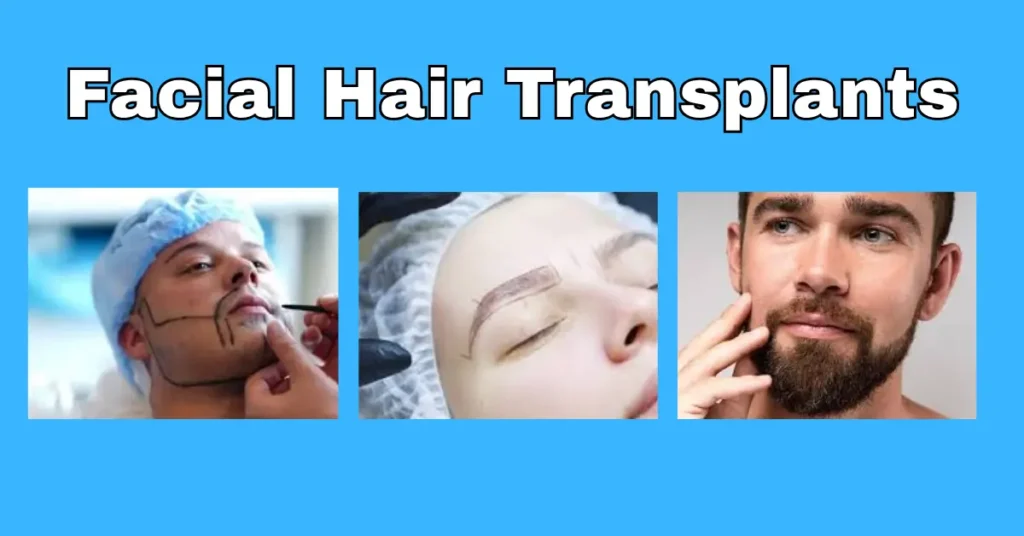
1. Beard Transplant
A beard transplant can help fill in bald spots or make a whole new beard. This is perfect for:
• Beard growth that isn’t even
• Facial hair that isn’t even
• No beard because of genetics
• Scars on the beard or hair loss
During the hair transplant procedure, healthy hair follicles are taken from the donor area or donor site, usually at the back of the scalp. After that, these hair grafts are carefully put into the area of the beard where they will grow naturally.
2. Transplant of a mustache
A mustache transplant makes thin or uneven mustaches look better. A lot of people who want this procedure do it because:
• A mustache that is thicker
• Clear shape
• Growth that is even
• More coverage on the upper lip
This hair restoration treatment makes your face look more balanced and gives you results that look natural.3. Transplanting eyebrows
More and more men and women are getting eyebrow transplants. This procedure helps bring back eyebrows that are thin or sparse because of:
• Too much plucking
• Getting older
• Health issues
• Genes
Eyebrow transplants use carefully placed hair follicles to make brows that look natural.
Reasons for Patchy Facial Hair
There are a number of things that can make facial hair thin or patchy. Knowing what kind of hair loss you have can help you pick the best treatment.
Some common causes are:
Genetics
Genetics has a big effect on how facial hair grows.
Hormonal Imbalance
Problems with hormones can make facial hair grow more slowly.
Scars or wounds
Hair follicles can be hurt by accidents or surgery.
Androgenetic Alopecia and Alopecia
These conditions can make facial hair patchy or cause bald spots.
Plucking or waxing too much
Too much grooming can hurt hair follicles.
Getting older
As you get older, your hair becomes less dense.
Signs That You Might Need a Facial Hair Transplant
If you have any of the following, you might want to think about getting a facial hair transplant:
• Beard growth that isn’t even
• Mustache that isn’t even
• Eyebrows that are thin
• Facial hair grows slowly
• Scars that make hair fall out
• No facial hair because of genetics
These signs point to weak hair follicles that might do better with fue hair transplants or other kinds of hair transplant procedures.
How Facial Hair Transplants Work
Facial hair transplant procedures use cutting-edge methods to get natural results. Some of the most common ways to do hair transplants are:
FUE, or Follicular Unit Extraction
Follicular unit extraction (FUE) is a very common method. Individual hair grafts are taken from the donor site and put into the recipient area.
Some of the benefits are:
• Little scarring
• Faster healing
• Looks natural
• Results that last a long time
FUT, or Follicular Unit Transplantation
Follicular unit transplantation (FUT) is when a strip of hair is taken from the donor area and put on the face.
Some of the benefits are:
• Good for bigger areas
• A high rate of graft survival
• Results that last
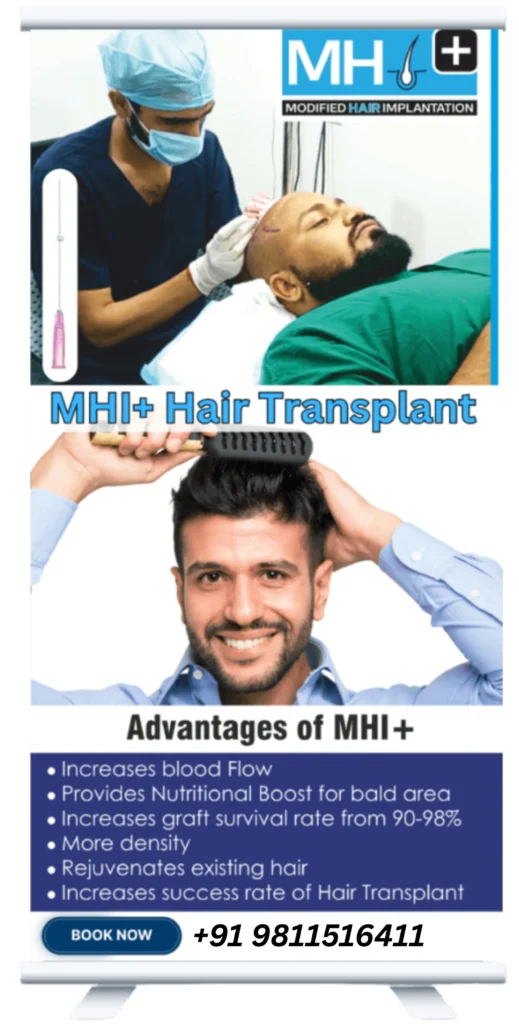
MHI and DHI Methods
MHI and DHI methods are also used in modern clinics. These advanced methods make things more accurate and let hair follicles be placed in a way that looks natural and has the right density.
What Will Happen During the Procedure
A facial hair transplant is a simple procedure that can be done in an office.
Step 1: Talk to someone
The surgeon who does hair transplants looks at how facial hair grows.
Step 2: Choose the area to be donated
The donor site gives hair.
Step 3: Taking out
Healthy hair grafts are taken out.
Step 4: Putting in the implant
The hair follicles are put into the area that needs them.
Step 5: Getting Better
The process of healing starts, and new hair starts to grow.
Results and Recovery
Most people heal quickly after getting a facial hair transplant.
When you will get better:
• Days 1 to 3: Some swelling
• Week 1: Healing starts
• Month 1: The shedding phase
• In months 3 and 4, hair starts to grow back.
• Months 6 to 9: Results that are easy to see
• Month 12: All the results
The results look real because the transplanted hair grows like normal facial hair.
Pros of getting facial hair transplants
There are many benefits to getting facial hair transplants:
• A solution that lasts
• Looks natural
• More self-assurance
• Easy to take care of
• Fast recovery
• Results that last a long time
After getting a hair transplant, a lot of people say they feel more confident.
Who is the best person for this job?
You might be a good fit if you:
• Have facial hair that isn’t even
• Have enough hair from donors
• Are healthy
• Have realistic expectations for hair transplants
• Want results that last
Talking to experienced transplant surgeons can help you figure out if you are a good candidate.
Is it safe to have facial hair transplants?
Yes, facial hair transplants are safe as long as they are done by skilled hair transplant surgeons.
Modern methods make sure:
• Little pain
• Results that are real
• Little risk
• Heals quickly
It’s important to pick the right clinic.
The success of a facial hair transplant depends on:
• How long the surgeon has been working
• More advanced methods
• Standards of cleanliness
• Treatment that is tailored to you
A lot of people trust Dr. Amit Agarkar at VPlant Hair Clinic to help them with facial hair transplants and hair restoration. The clinic offers advanced hair transplant methods like follicular unit extraction (FUE), follicular unit transplantation (FUT), and MHI and DHI methods.
Things to Do Before Getting a Facial Hair Transplant
• Don’t smoke
• Don’t drink alcohol
• Do what you’re told
• Eat a healthy diet
• Drink a lot of water
These tips can help your hair grow back faster.
Best Aftercare Tips
• Don’t touch the area that was transplanted
• Get enough sleep
• Do what the washing instructions say
• Don’t do a lot of heavy exercise
• Keep out of the sun
Taking care of your hair properly helps it grow back.
Facial Hair Transplants vs. Short-Term Fixes
Some short-term fixes are:
• Oils for beards
• Serums
• Cosmetics
• Microblading
But facial hair transplants are a permanent way to fix hair loss.
Facial hair restoration is becoming more and more popular
More and more people are getting facial hair transplants because:
• Results that look natural
• Better technology
• Procedures that are safe
• Fast recovery
Last Thoughts
Facial hair is a big part of who you are and how confident you are. People who have patchy beards, thin mustaches, or sparse eyebrows can get permanent help for their hair loss with facial hair transplants.
It’s easier than ever to get natural-looking facial hair thanks to new methods and skilled hair transplant surgeons.
Dr. Amit Agarkar at VPlant Hair Clinic offers advanced facial hair transplant options that are tailored to each person’s needs for those who are thinking about getting treatment.
Start the process of getting thicker facial hair
If you want to make your beard, mustache, or eyebrows look better, make an appointment today. A treatment plan made just for you can help you get natural, confident results.
You might only need one consultation to get the perfect facial hair.