




After a Hair Transplant is a common question for people who are thinking about getting their hair back or getting ready to heal after hair transplant surgery. Knowing the timeline can help you feel less anxious and have realistic expectations for your hair transplant. It’s normal to have some swelling, redness, and hair loss after a hair transplant. This will go away in a few days, and then new hair will start to grow. Most people see their hair start to grow back within three to four months. Full results usually show up between nine and twelve months. Patients can be more patient and sure of themselves on their journey if they know how it works.
This subject is especially useful for men and women who are looking into hair transplant surgery, how to care for their hair after the procedure, and the long-term results. If you take care of your hair transplant properly, live a healthy lifestyle, and get advice from a skilled hair transplant surgeon or surgeons, the results can look natural and last a long time. Knowing what happens after the procedure helps you get ready, stop worrying about things that don’t matter, and focus on getting your hair back and feeling more confident. A hair transplant can be a good way to fix hair loss for a long time for many people who have androgenetic alopecia, thinning hair, or bald spots.
Getting a hair transplant is a big decision. If you have thinning hair, a receding hairline, or bald spots, you probably made the decision after trying different things for months or even years. A hair transplant is a long-term fix for hair loss that looks natural, but a lot of people still want to know what happens next.
What will happen after you get a hair transplant?
Is there going to be pain?
When will hair start to grow?
How long does it take to get better?
Knowing what to expect after your transplant will make you feel more confident and ready. This guide covers everything, from recovery to hair growth timelines, common symptoms, and useful advice on how to get the best results after different types of hair transplant procedures, such as follicular unit extraction (FUE), follicular unit transplantation (FUT), fue hair transplantations, and modern MHI and DHI methods.
The First Few Days After Getting a Hair Transplant
Most people think that the first few days after a hair transplant will be hard, but they are usually easier than that. Follicular unit extraction (FUE), follicular unit transplantation (FUT), and advanced MHI and DHI methods are all modern hair transplant techniques that aim to make the procedure less painful and speed up recovery. These kinds of hair transplants move healthy hair follicle units and hair grafts from the donor area, or donor site, to areas where hair is thinning in the recipient area.
Things You Might Notice
After the hair transplant, you should expect to feel:
• A little swelling around the forehead
• Redness around the area where the hair was transplanted
• Little scabs around hair follicle grafts
• A little bit of itching or tightness
• A little pain in the area where the donor is
These signs will go away on their own in a few days. Most people go back to their normal lives within 2 to 5 days, but this depends on the type of hair loss, the procedure, and how fast they heal.
Your hair transplant surgeon will also give you instructions on how to sleep, wash your hair, and take care of the area where the hair was put in.
Week 1 to Week 2: Time to Heal
Your scalp starts to heal in the first week. Around the transplanted hair follicles, small scabs form. This is normal and part of the healing process for hair restoration.
What Happens in This Stage
• Scabs start to form around the hair grafts
• The redness goes away slowly
• There may be some mild itching
• Hair that has been transplanted is still visible
Most scabs fall off on their own by the end of the second week. Don’t pick or scratch your scalp; this can slow down hair growth and healing.
At this point, you need to be patient. The scalp may look a little pink, but this color fades over time.
Week 3 to Week 6: The Shedding Phase (Shock Loss)
A lot of people are surprised at this stage, and it can even make them worry for no reason.
The hair that was moved starts to fall out about 2 to 4 weeks after the hair transplant surgery. This is known as shock loss, and it’s perfectly normal.
What causes this to happen?
The hair shafts fall out, but the hair follicle units (roots) stay safe under the scalp. These follicles go into a resting phase before they start to grow new hair.
This stage might make you feel bad, but it’s actually a good sign that your hair growth cycle is working.
The Waiting Phase: Month 2 to Month 3
There may be a time after shedding when it seems like nothing is happening. Even though it’s quiet, this is one of the most important steps.
What to Look For
• The scalp looks normal
• There is little to no visible growth
• Units in hair follicles getting ready for new hair growth
You need to be patient during this phase. A lot of people are worried, but that’s perfectly normal. The follicles are doing their job below the surface.
Month 3 to Month 6: Hair Starts to Grow Again
This is when the fun part starts.
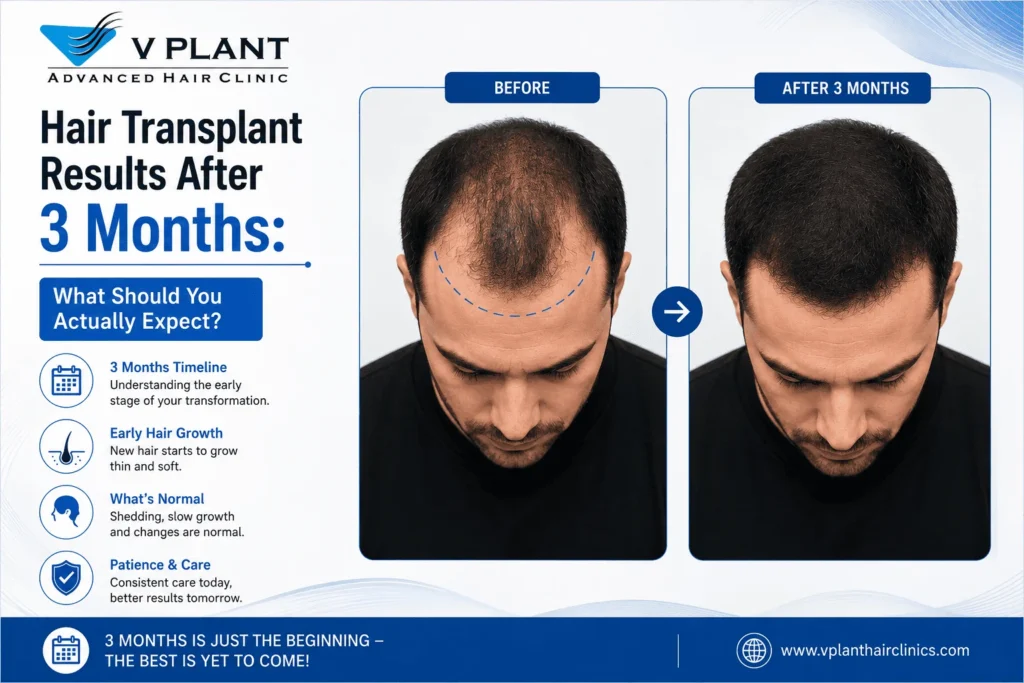
New hair starts to grow from the transplanted follicles between 3 and 6 months. At first, the hair may look:
• Thin
• Soft
• Has a light texture
The hair gets thicker and stronger over time.
What You’ll See
• Hair density slowly getting thicker
• A new hairline is starting to show
• Better coverage of the recipient area
For many patients who have androgenetic alopecia or other types of hair loss, this stage makes a big difference and makes them feel better about themselves.
From Month 6 to Month 9: You can see a change
At this point, the hair growth is more obvious. The hair gets thicker, and the results start to look more real.
What Happens During This Time
• Hair gets thicker
• The texture gets better
• A pattern of natural growth shows up
• It’s easier to style
This is when friends and family often start to notice the changes after hair transplant surgery.
Months 9 to 12: The Last Results Start to Show Up
You start to see almost final results after about 9 to 12 months. The density of the hair gets a lot better, and the transplanted hair looks like it belongs with the hair that is already there.
The final results are as follows:
• Hairline that looks natural
• More thickness
• Growth that lasts a long time
• More self-assurance
For some people, it may take 12 to 15 months to see full results, depending on how their hair grows and what type of hair loss they have.
After a hair transplant, common symptoms include
Hair transplant surgeries are safe, but you might have some temporary side effects:
Common Symptoms
• Slight swelling
• Redness
• Itching
• Little scabs
• Numbness that lasts for a short time
Most of the time, these symptoms go away in a few days or weeks.
If you have pain or swelling that lasts longer than usual, it’s best to talk to your hair transplant surgeon to be sure everything is okay.
How to Get Better Results and Heal Faster
Following simple aftercare tips can help you heal faster and get better results after fue hair transplants, follicular unit transplants (FUT), or MHI and DHI methods.
Useful Tips After Hair Transplant
• For the first few days, sleep with your head up.
• Don’t touch or scratch your scalp
• Be sure to follow the washing instructions exactly
• Don’t do any hard exercise for 7 to 10 days.
• At first, stay out of direct sunlight
• Don’t drink or smoke to heal faster
These easy steps help keep hair follicle grafts safe and speed up hair regrowth.
When can you go back to doing normal things?
Most people can get back to their normal lives quickly.
A General Timeline
• Work: 2 to 5 days
• Work out for 7–10 days
• Haircuts every 3 to 4 weeks
• Hair products: After one month
But the time it takes to recover may be different for each person and for each type of hair transplant procedure.
Is a hair transplant a permanent fix?
Long-lasting results are one of the best things about hair transplants.
The hair that is transplanted comes from the donor area, which usually doesn’t lose hair. This means that the hair will keep growing naturally for years.
But existing hair may still thin over time, which is why it’s a good idea to take care of your hair and get follow-up treatment for hair loss.
Who Would Be a Good Candidate for a Hair Transplant?
People with the following conditions get the most out of hair transplants:
• Hairline that is going back
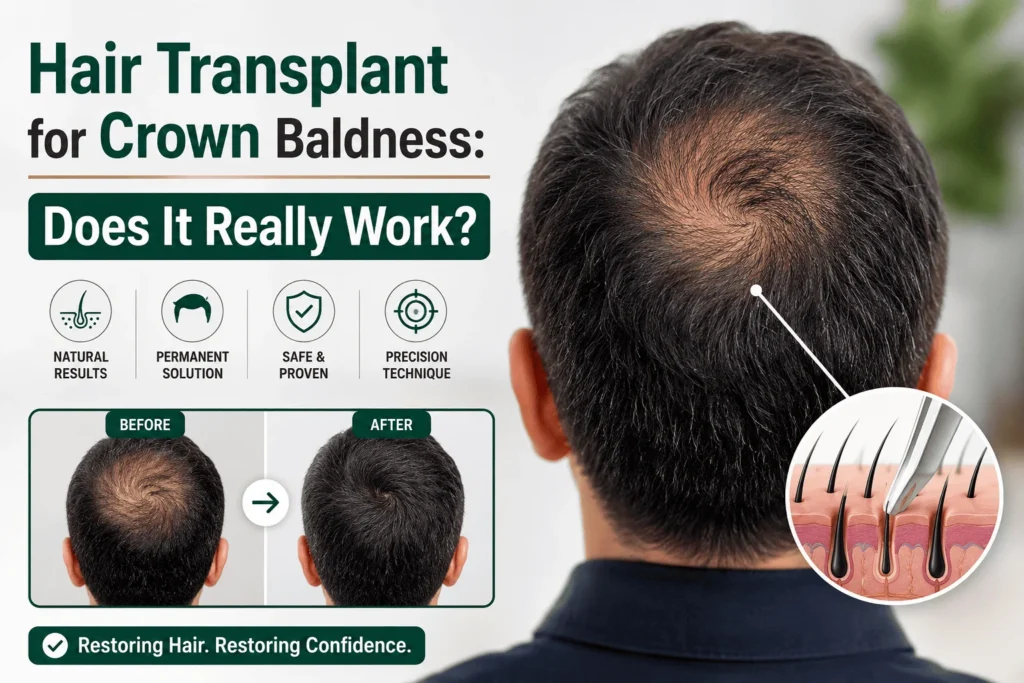
• Crown getting thinner
• Patches of baldness
• A consistent pattern of hair loss
• Donor site that is healthy
Talking to experienced transplant surgeons can help you find the best way to deal with your hair loss.
It matters which clinic you choose
The skill of the clinic and the hair transplant surgeon are very important to the success of the procedure.
Many patients want to find experienced professionals who can give them natural-looking results, use modern technology, and give them personalized care. They do this by using advanced hair transplant techniques like FUE, FUT, MHI, and DHI.
Dr. Amit Agarkar at VPlant Hair Clinic in Mumbai is known for offering advanced hair restoration solutions that focus on natural-looking results. If you’re thinking about getting treatment in Mumbai, you might want to check him out. The clinic uses the latest hair transplant techniques and offers one-on-one consultations to help patients understand what to expect from their hair transplant and how their recovery will go.
Choosing a reputable clinic guarantees not only good results but also a hair transplant experience that is both comfortable and confident.
Managing Expectations: Patience Is the Key
A hair transplant does not change you right away. You need to be patient because it takes time.
Things to Keep in Mind
• Shedding is normal.
• It takes time to grow
• Results get better over time
• It can take up to 12 months to get the final results.
Knowing this timeline will help you stay confident throughout the hair restoration process.
The Confidence Boost That Comes After a Hair Transplant
For a lot of men and women, losing hair affects their looks, confidence, and even how they interact with other people. A successful hair transplant can change how you look and how you feel in a big way.
Patients often say:
• More self-assurance
• More choices for styling
• Looks younger
• New hair growth that happens naturally
The trip may take a while, but the results are often worth the wait.
Last Thoughts
A hair transplant is more than just a procedure; it’s a journey. Each stage of the healing process, from the first few days to the final results months later, is important for getting hair to grow back naturally.
Knowing what to expect will help you stay ready, patient, and sure of yourself during the whole thing.
If you want expert advice on getting a hair transplant, talking to a trusted specialist can make all the difference. Dr. Amit Agarkar at VPlant Hair Clinic in Mumbai offers one-on-one consultations and cutting-edge hair restoration treatments that are made to fit each person’s needs.
The first step toward a solution for hair loss could be the start of a new sense of confidence and long-lasting results.
Do you want to get a hair transplant? A professional consultation can help you understand your options and begin your hair growth journey with confidence and clarity.ll shape your final results. Your new hair — and restored confidence — will make the journey worthwhile.