Corrective Hair Transplant Failed Hair Transplant Repair in Mumbai
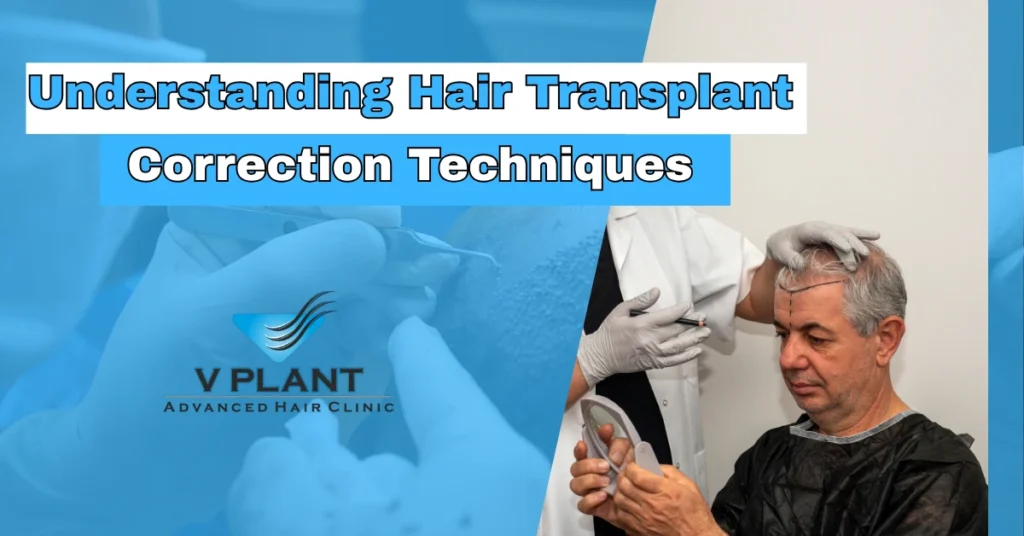
Corrective Hair Transplant Failed Hair Transplant Repair in Mumbai is a trusted solution for men and women who’ve gone through a disappointing hair transplant experience. If you’re dealing with unnatural hairlines, visible scars, or poor hair regrowth, corrective hair transplant procedures can help restore your confidence. In Mumbai, highly trained hair transplant surgeons like Dr. Amit Agarkar now offer personalized treatments using advanced types of hair transplant techniques like Follicular Unit Extraction (FUE), Follicular Unit Transplantation (FUT), MHI, and DHI. Today’s advanced techniques combine medical accuracy with aesthetic skill to achieve results that appear completely natural.. This solution for hair loss is ideal for those who feel let down by earlier hair transplant surgeries—whether done in India or abroad. Skilled transplant surgeons carefully analyze your donor area, recipient area, and type of hair loss, creating a custom plan to repair damage and support new hair growth. If your previous hair transplant did not meet your expectations, you are not alone—and fortunately, effective solutions are available. With the right care, technology, and expert hands, you can finally enjoy long-term results and natural-looking transplanted hair. What is a Corrective Hair Transplant? Corrective hair transplants are specialized treatment for hair loss focused on fixing problems from a previous hair transplant procedure. Whether it’s an oddly placed hairline, uneven hair grafts, or visible scars, these advanced procedures aim to restore natural appearance and boost self-confidence. Why Do Hair Transplants Sometimes Fail? Some of the most common reasons why people seek corrective procedures include: Finding the Right Clinic in Mumbai Mumbai offers many clinics, but choosing the right one for corrective hair transplant surgeries is critical. Here’s how to pick the best: The Corrective Hair Transplant Procedure: What to Expect Benefits of a Successful Corrective Hair Transplant ✔️ Natural-Looking Hairline: Redesigns your hairline to match your face and age.✔️ Even Growth: Fills in patchy spots and improves overall coverage.✔️ Scar Repair: Modern techniques reduce the appearance of past scars.✔️ Confidence Boost: Fixing a failed transplant often restores emotional and social confidence. Hair Restoration in Mumbai: Quality, Care & Cost As a top city for hair restoration, Mumbai combines expert care with affordability. From advanced types of hair transplant options to skilled hair transplant surgeons, patients can expect excellent outcomes.Cost Factors:The cost depends on how much repair is needed, how many hair grafts are used, and the clinic’s expertise. But remember—quality and experience should always come before price. Final Thoughts Losing hair or facing a failed transplant can be emotionally difficult. But you’re not stuck with it. With corrective hair transplant services in Mumbai, you now have a second chance. Expert hair transplant surgeons can fix past mistakes and give you the look you deserve. From fixing bald spots to achieving full hair regrowth, this is a real solution to hair loss for both men and women. The key is finding the right team—one that listens, uses the best hair transplant techniques, and delivers results that last. If you’ve lost hair and hope, this might be your fresh start.
Corrective Hair Transplant Failed Hair Transplant Repair in Mumbai Read More »