



All You Need to Know About the Latest Hair Transplant Technology helps people learn how new hair restoration methods can safely bring back natural hair growth. If your hair is thinning, your hairline is receding, or you can see bald spots, learning about the latest hair transplant methods can make the idea of getting treatment a lot less scary.
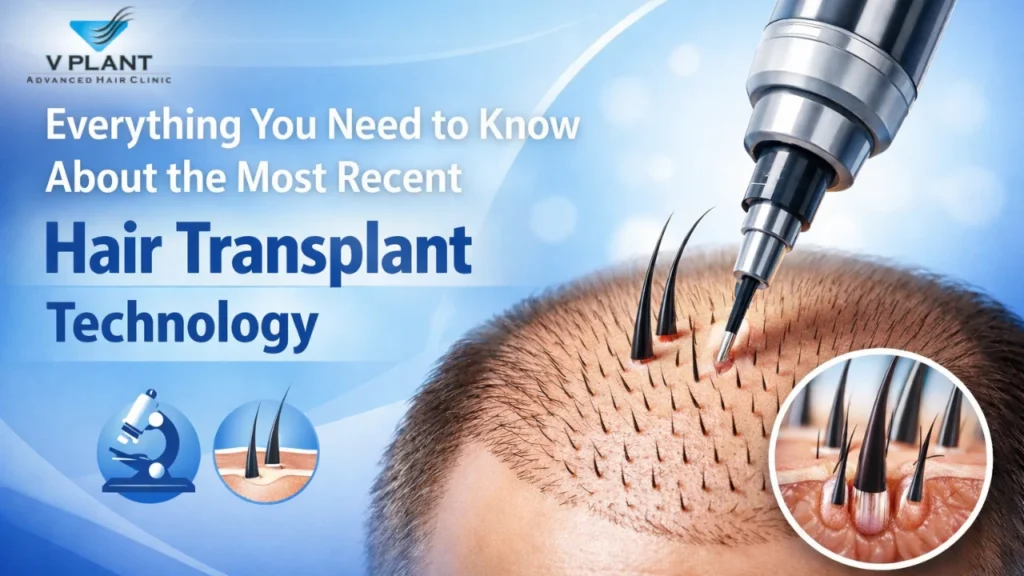
Follicular unit extraction (FUE), modern FUE hair transplants, and direct implantation techniques are all new technologies that let skilled hair transplant surgeons move healthy hair follicles from the donor area to thinning areas with great accuracy. The end result is a natural-looking density, less scarring, and a faster recovery than with older hair transplant methods.
This subject is very helpful for men and women who want to stop their hair loss for good and want clear, trustworthy information before picking a hair loss treatment. Understanding modern hair transplant technology helps you know what to expect from the hair transplant procedure, improves hair transplant expectations, and explains how advanced techniques can restore both hair and confidence in a natural way.
Why does hair loss happen?
Before you learn about the newest hair transplant technology, it’s helpful to know why people lose hair in the first place.
Men and women can both lose hair, and there are many reasons why this might happen.
1. Genetic Hair Loss (Androgenetic Alopecia)
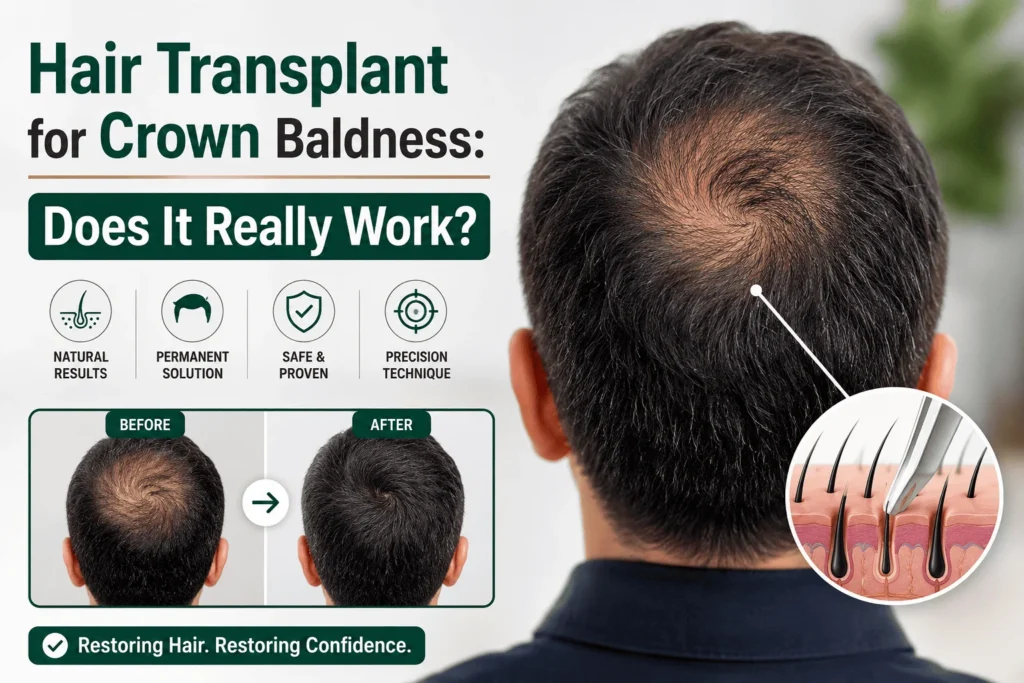
This is the type of hair loss that happens the most. Androgenetic alopecia is the medical name for this condition. It usually shows up as a receding hairline, a thinning crown, or bald spots that are easy to see. As time goes on, genetics and hormones make the hair follicle smaller, which makes the hair strands weaker and makes the hair thinner over time.
2. Changes in hormones
Changes in hormones during pregnancy, menopause, or thyroid problems can mess up the hair growth cycle and cause hair to fall out.
3. Stress and Things You Do in Your Life
Stress, bad eating habits, not getting enough sleep, and other bad habits can make hair follicles weaker and cause more hair to fall out.
4. Health problems or medications
Some illnesses or medications can stop hair from growing normally and make it thinner for a short time or a long time.
Many treatments can help slow down hair loss, but people who have visible bald spots or thinning hair often want a permanent solution. This is where modern hair transplant surgeries can help.
What is a hair transplant?
A hair transplant is a medical way to restore hair by moving healthy hair follicles from one part of the scalp to another where hair is thinning or missing.
The donor area or donor site is the part of the body where follicles are taken. This area is usually on the back or sides of the head because the hair there is genetically stronger and less likely to fall out.
The surgeon carefully takes out individual hair grafts that have one or more hair follicles during the procedure. After that, the grafts are put in the area where new hair growth is needed.
The hair that was transplanted grows naturally over time and blends in with the hair around it. The results look natural and keep growing for a long time because the follicles come from your own scalp.
How Hair Transplant Technology Has Changed Over Time
In the last twenty years, hair transplant technology has changed a lot. In the past, hair transplant surgeries sometimes didn’t look natural or took longer to heal.
Modern hair transplant techniques today focus on:
- Design of a natural hairline
- Exact removal of hair follicles
- Little scarring
- Healing faster
- Hair regrowth that lasts a long time
Patients now find the hair transplant process much more comfortable and predictable thanks to these changes.
The newest methods for hair transplants
There are now many different types of advanced hair transplant procedures. Each method works a little differently, but they all try to make hair grow back naturally.
1. Extraction of Follicular Units (FUE)
Follicular unit extraction (FUE) is one of the most popular modern methods.
This is how many FUE hair transplants are done:
- Individual hair follicles are taken out of the donor area.
- Each follicle is moved to the area where the hair is thinning or missing.
- The procedure doesn’t involve big cuts in the skin.
Advantages of FUE
- Little scarring
- Quicker healing
- Looks like a natural hairline
- Less pain after surgery
Because each hair graft is put in one at a time, experienced hair transplant surgeons have more control over the direction and angle of the hair that has been moved.
2. Follicular Unit Transplantation (FUT)
Follicular unit transplantation (FUT) is another well-known method.
In this method:
- A small piece of scalp is taken from the donor site.
- A microscope separates hair follicles.
- After that, the follicles are put into the area that will receive them.
Advantages of FUT
- Good for longer transplant sessions
- A lot of hair grafts in one procedure
- Works well for people who have lost a lot of hair
FUT is still a good choice for hair transplants, even though it can leave a thin linear scar.
3. Advanced Direct Implantation Methods
Modern technology has also brought about new techniques like Direct Hair Implantation (DHI) and Modified Hair Implantation (MHI).
These methods are some of the newest ways to restore hair.
They include:
- Taking out individual hair follicles from the area that gave them to you
- Putting them directly into the recipient area with special tools
- Setting the depth, angle, and direction of each graft
The accuracy of the DHI and MHI methods helps make hairlines that look very natural and makes hair thicker overall.
What Makes Hair Transplants Today Look Real?
A lot of people are worried that hair transplant surgeries won’t look natural. Luckily, modern technology has fixed a lot of the problems that came up with older procedures.
Design for a More Advanced Hairline
Experienced transplant surgeons make the hairline based on the shape of the face, the person’s age, and the way their hair naturally grows.
Exact Placement of Grafts
The angle at which each hair graft is put in is just right to match how hair grows naturally.
Preparation with a Microscope
To protect each hair follicle and improve graft survival, hair follicles are prepared under a microscope.
These changes make it easier for transplanted hair to blend in with hair that is already there.
Signs That You Might Need Hair Restoration
A lot of people wait too long to get help with hair loss. Some signs that are common are:
- A hairline that is slowly moving back
- Hair thinning at the top of the head
- A bigger part in your hair
- Bald spots that are not even
- Too much hair loss
- Less hair density
If these symptoms don’t go away, you should see a professional hair transplant surgeon or clinic. They can help you figure out what kind of hair loss you have and recommend the best treatment.
Who Should Get a Hair Transplant?
People who want to get hair transplants may be good candidates if:
- Have hair loss patterns that don’t change
- Have healthy hair follicles in the area where you got the hair
- Have areas that are clearly thinning or bald
- Are in good health overall
Modern hair restoration procedures may help both men and women who have androgenetic alopecia.
Getting better and hair growth After the Operation
One reason a lot of people choose modern hair transplant methods is that they are easier to recover from.
This is what a typical hair transplant looks like:
The First Few Days
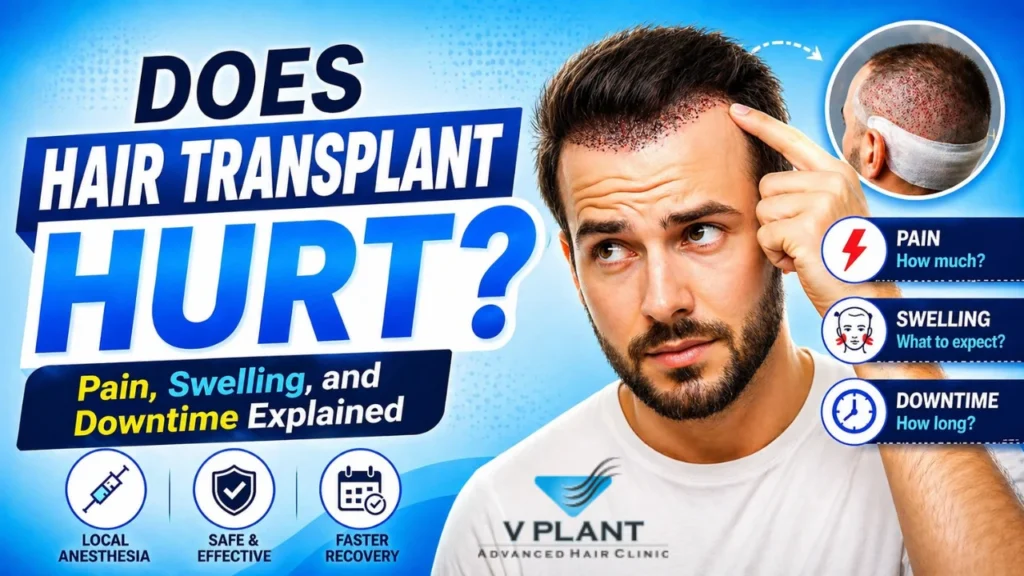
There may be mild swelling or redness around the area where the person received the gift, but it usually goes away quickly.
The first month
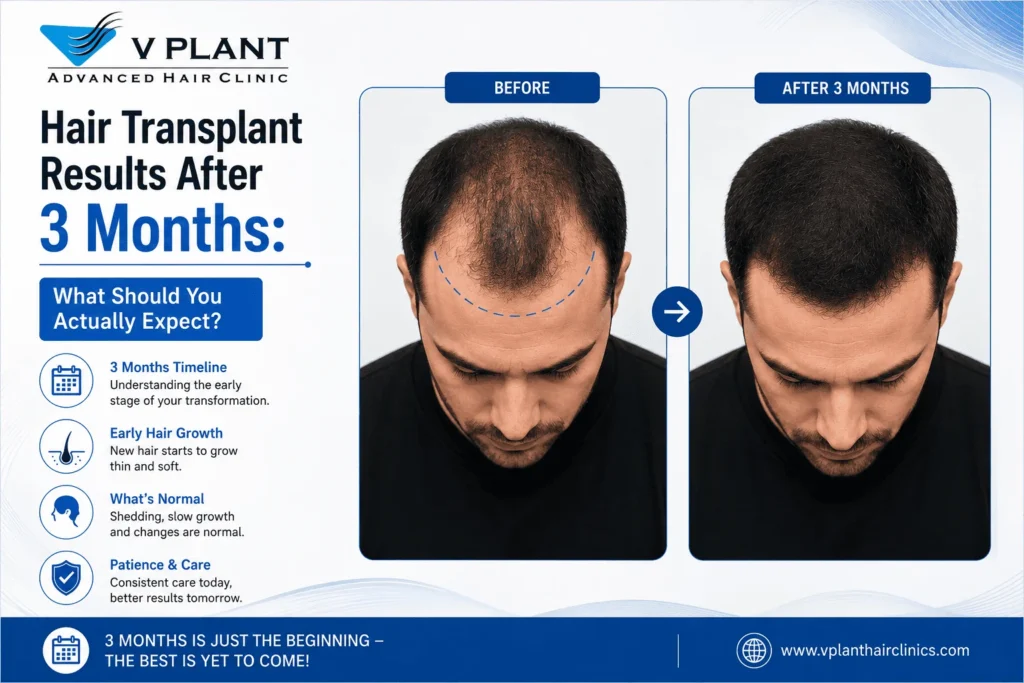
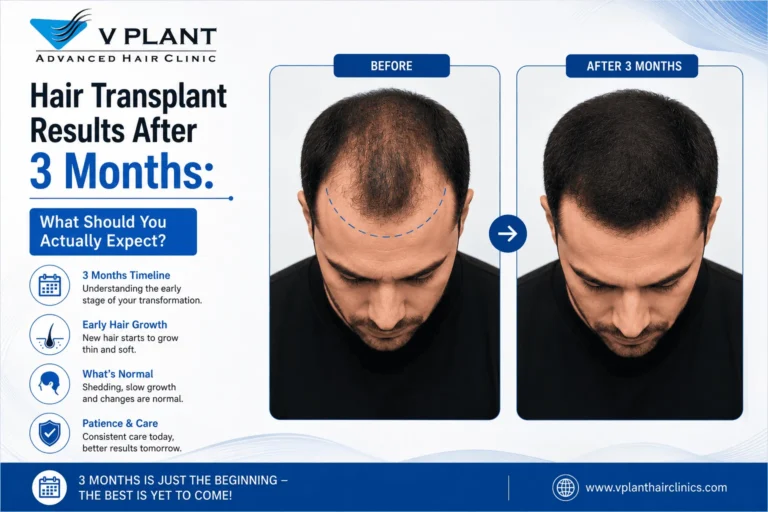
The hair that was transplanted may fall out for a while. This is normal and part of the cycle of hair growth.
Three to four months
The hair follicles that were moved start to grow new hair.
From six to twelve months
Hair gets thicker and stronger, which makes it grow back naturally and for a long time.
Picking the Best Hair Transplant Clinic
The skill of the hair transplant surgeon and the clinic’s experience are two of the most important things that determine how well a hair transplant will work.
When you pick a clinic, think about:
- How many hair transplants transplant surgeons have done
- The latest tools and methods for hair transplants are available
- Making plans for treatment that are unique to each person
- Results that are natural and always the same
A qualified professional can help you find the best way to deal with hair loss.
A Reliable Choice in Mumbai
Dr. Amit Agarkar at VPlant Hair Clinic in Mumbai is known for offering cutting-edge hair restoration options to people who are thinking about getting hair transplant surgery.
The clinic’s main goals are:
- New technology for hair transplants
- Planning a hairline that is just right for you
- Hair grafts have a high survival rate
- Hair regrowth that is natural and lasts a long time
Before suggesting the best hair transplant procedures, Dr. Amit Agarkar and his team look closely at the patient’s donor area, hair density, and type of hair loss.
Patients at VPlant Hair Clinic can use cutting-edge methods like follicular unit extraction (FUE), follicular unit transplantation (FUT), and modern DHI and MHI methods to help them grow back their hair naturally with little downtime.
Helpful Tips for Keeping Your Hair Healthy After a Transplant
Even after your hair has been restored, it’s still important to take care of it.
Here are some useful tips:
- Pay close attention to the instructions after the procedure
- Eat a healthy diet that is high in protein and vitamins
- Don’t use too much heat or harsh chemicals on your hair
- Lower your stress levels
- Use hair care products that are recommended
Taking care of your scalp is important for keeping your hair follicles healthy and helping your hair grow back over time.
Last Thoughts
Hair loss can make you feel less confident, but new medical technology has made hair restoration much more effective than it used to be.
Today’s more advanced types of hair transplant surgery offer:
- Hairlines that look real
- Hair that grows back for good
- Little pain
- Healing faster
People can make smart choices about their hair loss treatment if they know about the newest hair transplant technology.
If you notice that your hair is getting thinner, your hairline is moving back, or you are getting bald spots, talking to a skilled hair transplant surgeon can help you find the best way to stop hair loss.
For people who want expert care, Dr. Amit Agarkar at the VPlant Hair Clinic in Mumbai offers advanced treatments and personalized care. A consultation can help you learn about your hair’s condition, look into new hair transplant methods, and start your journey toward healthy, natural hair growth.