



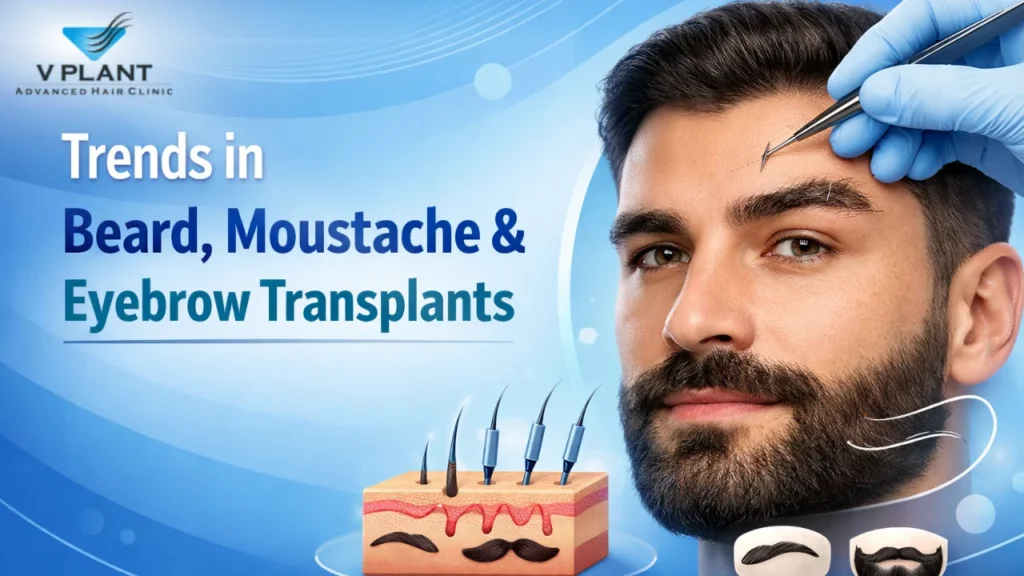
This topic looks at the growing need for procedures that fix or improve facial hair for people who have patchy beards, thin moustaches, or sparse eyebrows. Facial hair transplant procedures take healthy hair follicle units from the scalp and use them to make facial hair look fuller and more natural. These procedures are done by skilled hair transplant surgeons who use the most up-to-date hair transplant methods to get results that look natural.
These treatments are great for men and women whose beards don’t grow evenly, whose eyebrows are thinning because they pluck them too much, or people who are losing hair in a specific way, like androgenetic alopecia. Follicular unit extraction fue, fue hair transplantations, and advanced implantation techniques are all modern methods that make the hair transplant procedure very precise and not very invasive. Other advanced methods, like MHI and DHI, can also be used to put hair grafts directly into the area where they are needed with great accuracy.
As grooming trends continue to favour fuller beards and well-shaped brows, facial hair restoration has become a reliable way to deal with hair loss and a practical choice for people who lose hair or have bald spots on their faces. Facial hair transplants are a long-term solution to hair loss that also helps new hair grow and natural hair regrow. They can be used to cover scars, shape a beard, or restore eyebrows.
Facial Hair Transplants Are Becoming More and More Popular
Facial hair has become a big part of personal style in the last few years. A well-groomed beard, a clean moustache, or thicker eyebrows can make a big difference in how someone looks and how confident they feel.
But not everyone naturally has thick facial hair. Some people have patchy hair growth because of their genes, an injury, or certain treatments for hair loss. Androgenetic alopecia, a common type of hair loss that can also change the way facial hair grows, is often the cause of the problem.
This is where facial hair transplants have become a great way to fix hair loss. Doctors can now move healthy hair follicle units from a stable donor area, like the back of the scalp, to areas where hair growth is weak.
Modern hair transplant procedures focus on accuracy and natural placement, so the results look real and mix well with the hair that is already there.
Today, skilled transplant surgeons use cutting-edge tools and methods to carefully place hair grafts in the right spot, making a natural beard line, a fuller moustache or thicker eyebrows.
Common Reasons Why People Get Facial Hair Transplants
There are many reasons why people think about getting beard, moustache, or eyebrow transplants. Here are some of the most common ones.
1. Beard growth that is patchy or uneven
Genetics is the reason why many men have patchy facial hair. This often leads to patchy beard growth or tiny bald spots. A hair transplant surgeon can fill in those spots with healthy hair grafts from the donor site during a beard transplant.
2. Eyebrows that are thin or missing
Ageing, too much grooming, or hormonal changes can make eyebrows thin. In these situations, eyebrow transplantation can bring back density and give the eyebrows a natural shape by carefully placing transplanted hair.
3. Scars on the face
Hair follicles can be damaged by accidents, burns, or previous surgeries. A hair transplant can cover these areas by putting follicles into scar tissue in the area where the hair is needed.
4. Making the style better
Some people get facial hair transplants just to look better. A fuller beard or a well-defined moustache can make your face look better and give you more confidence.
Symptoms or Signs You May Benefit from a Facial Hair Transplant
Not everyone who has thin facial hair needs a hair transplant. But there are some signs that hair restoration might help.
If you have any of the following, you might want to think about getting a facial hair transplant:
- A beard or moustache that is always patchy
- Eyebrows that are too thin or too plucked
- Facial hair loss due to injury or scars
- A beard that isn’t evenly thick can change how you look
- Having trouble growing facial hair even though you take care of it well
These worries could mean that a type of hair loss is affecting the hair follicles on your face. Talking to experienced transplant surgeons can help you figure out if a hair transplant is the best way to deal with hair loss.
How to Get Facial Hair Transplants
Facial hair transplants work in the same way as scalp hair transplants. The procedure involves moving healthy hair follicle units from the donor area to facial areas that need more hair.
This is what a typical hair transplant is like.
Step 1: Talk and Plan
The hair transplant surgeon looks at the density of the hair, the condition of the skin, and the shape of the face during the consultation. The doctor also talks about what to expect from the hair transplant and plans the best way to shape the beard, moustache, or eyebrows.
Step 2: Taking Hair from the Donor
Healthy follicles are taken from the donor site, which is usually the back of the head where hair growth is stable.
Advanced hair transplant techniques, like the ones listed below, are used for extraction:
- Follicular unit extraction fue
- Follicular unit transplantation fut
These methods help you get strong hair grafts without hurting the hair around them.
Step 3: Putting in the implant
The extracted follicles are carefully put into the area that will receive them. Skilled transplant surgeons put each follicle at the right angle so that the hair that is transplanted grows naturally.
Some clinics also use modern implantation systems like MHI and DHI, which let them put follicles directly into the skin with great accuracy.
Step 4: Getting better and growing
After the hair transplant, the follicles that were put in the skin start to grow new hair. As time goes on, the transplanted follicles help hair grow back in a healthy way.
Common Procedures for Facial Hair Transplants
There are many different kinds of hair transplant procedures that can be used to restore facial hair.
Transplanting a beard
A beard transplant can help people get:
- A thicker beard
- Clear lines in the beard
- Covering up patchy spots
The surgeon can change the shape of the beard to make it look more balanced by carefully placing hair grafts in the right places.
Transplanting a moustache
People who have thin or uneven growth can benefit from a moustache transplant. When transplanted hair is put in the right place, it makes a natural-looking moustache that goes well with other facial hair.
Eyebrow transplantation
Eyebrow transplantation is a common procedure for both men and women with thinning eyebrows. The procedure uses small follicle units from the donor site to make the eyebrows thicker.
New Methods for Facial Hair Transplants
In the last ten years, hair transplants have changed a lot. The main goals of today’s hair transplant methods are accuracy, little scarring, and results that look natural.
Extraction of Follicular Units (FUE)
Follicular unit extraction (FUE) is one of the most common ways to move facial hair from one place to another.
In this method, the surgeon takes out individual follicles from the donor area and puts them into the area that needs them.
Some benefits of fue hair transplants are:
- Little to no scarring
- Healing faster
- Results that look natural
- More comfort while you heal
Follicular Unit Transplantation (FUT)
Follicular unit transplantation (FUT) requires taking a thin strip of skin from the donor site. After that, the strip is cut into separate hair grafts that can be implanted.
FUT and FUE are both still important methods of hair transplant that experienced hair transplant surgeons use.
Methods for MHI and DHI
Surgeons can now use newer methods like MHI and DHI to put follicles directly into the recipient area without making big cuts. These methods make things more accurate and speed up the healing process.
Results and Recovery
One of the best things about facial hair transplantation is that the results last a long time.
When follicles start making hair, the hair that was transplanted acts like natural facial hair.
A typical recovery timeline includes:
- First week: A little bit of redness or swelling
- 2–3 weeks: The transplanted hair may fall out for a short time
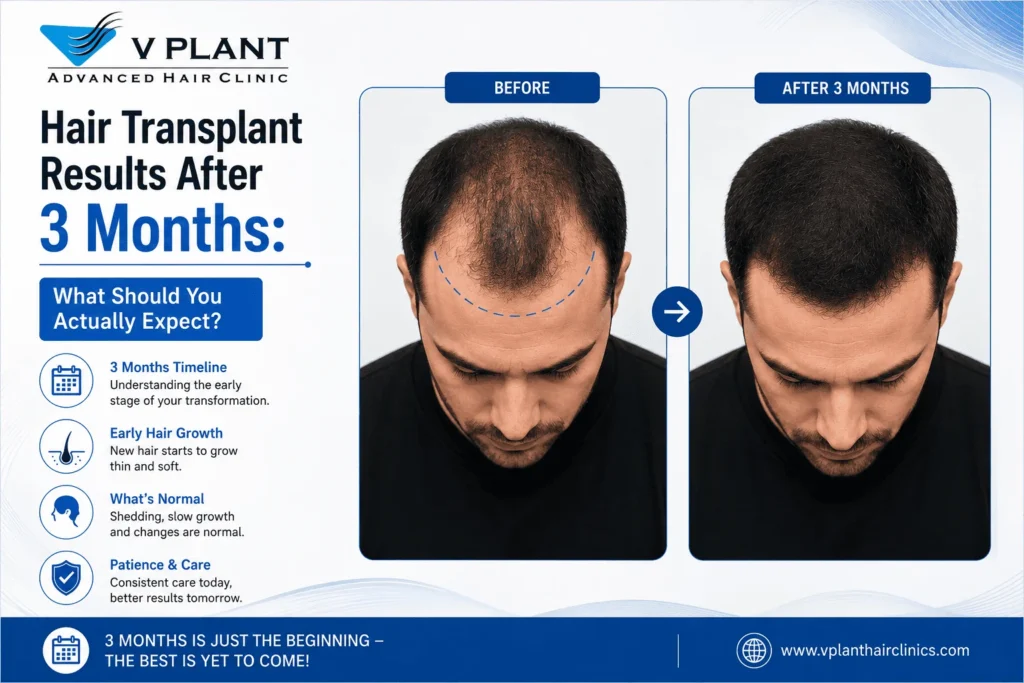
- 3–4 months: New hair growth that can be seen starts
- 8–12 months: The full beard or eyebrow density grows in
These follicles keep supporting natural hair growth over time.
How to Keep Your Facial Hair Growing Strong and Healthy
Good grooming and healthy habits can help you get better results even after hair transplant surgery.
1. Eat a balanced diet
Vitamins, minerals, and protein help the hair follicle stay strong and grow.
2. Take care of your skin well
Healthy skin makes the area around hair follicles better.
3. Handle Stress
Long-term stress can make it harder to treat hair loss conditions.
4. Don’t groom too aggressively
Be careful when trimming or shaving areas that have just been transplanted.
5. Do what the doctor says after treatment
Following your doctor’s advice will make your hair transplant go more smoothly and give you better results.
Picking the Right Hair Restoration Clinic
The technology at the clinic and the experience of the hair transplant surgeon are very important for the success of facial hair transplantation.
When picking a clinic, think about:
- How long transplant surgeons have been doing it
- The availability of new types of hair transplant procedures
- Using advanced methods like FUE hair transplants and MHI and DHI methods
- Results and reviews from real patients
- A clear consultation and realistic expectations for hair transplants
Dr. Amit Agarkar at VPlant Hair Clinic in Mumbai is well-known for his skills in advanced hair transplant surgeries for people in India who are thinking about getting facial hair back.
The clinic’s main focus is on creating personalised treatment plans that help patients understand their type of hair loss, the different types of hair transplants available, and the best way to deal with their hair loss.
Many patients appreciate the clinic’s balanced approach, which combines medical accuracy with aesthetic planning to get results that look natural.
If You Want To, Facial Hair Transplants Can Be A Great Choice
- Fill in spots on your beard
- Make thin eyebrows thick again
- Make facial hair thicker
- Hide scars or uneven growth
But whether or not it’s right for you depends on things like how much hair is available in the donor area, your overall health, and the type of hair loss you have.
Consulting with experienced transplant surgeons can help you figure out the best way to deal with hair loss and set realistic expectations for hair transplants.
A Reliable Choice for Restoring Facial Hair
The first thing you should do if you are thinking about getting facial hair transplants is talk to a qualified professional.
Dr. Amit Agarkar runs the VPlant Hair Clinic in Mumbai, which is one of many clinics that offer modern hair restoration treatments that look natural.
The clinic helps people get fuller beards, natural moustaches, and thicker eyebrows by using advanced hair transplant techniques like follicular unit extraction fue, follicular unit transplantation fut, and MHI & DHI methods.
People who have patchy facial hair, bald spots, or slow facial hair growth can get help from a professional to figure out the best way to treat their hair loss.
Final Thoughts
Facial hair is now a big part of how people look and who they are. A thicker beard, a well-shaped moustache, or well-defined eyebrows can make you look and feel a lot better.
People who lose hair on their faces now have reliable ways to get it back thanks to modern hair transplant surgeries. It’s now easier than ever to get natural facial hair density thanks to skilled hair transplant surgeons and new types of hair transplant procedures.
If you want to improve your facial hair, you might want to look into hair restoration options at VPlant Hair Clinic in Mumbai with Dr. Amit Agarkar. This could help you get the style you want while also making sure your hair grows back healthy in the long run.